HeadPowder, a leading engineering firm based in Shandong, China, specializes in advanced material handling solutions, particularly pneumatic conveying systems tailored for wood fiber materials. This article explores the fundamental principles of pneumatic conveying and highlights the key working scene characteristics that define its application in the wood processing industry.
Understanding Pneumatic Conveying Principles
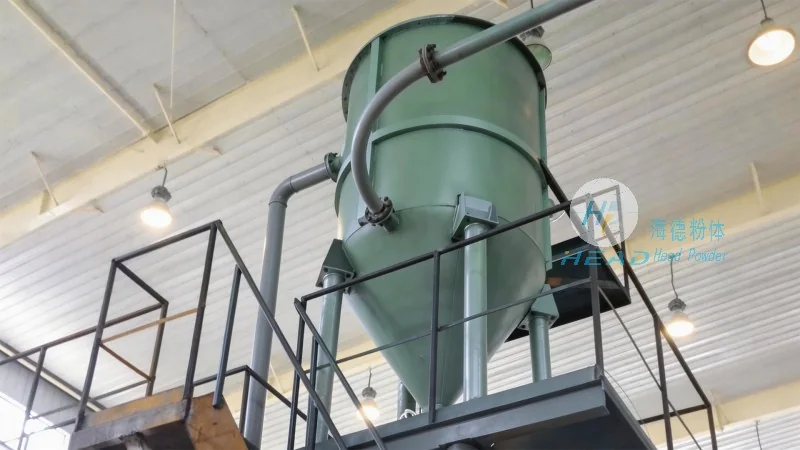
Pneumatic conveying, also known as air conveying, is a method of transporting bulk materials through a pipeline using a stream of pressurized or vacuum air. In the context of wood fiber materials, this technology efficiently moves fibers, chips, or other processed wood products from one location to another without the need for mechanical components like belts or buckets. The core principle involves creating a flow of air that propels the material particles through the pipeline, leveraging air pressure differences to maintain material movement. This process can be categorized into two main types: pressure conveying, where air is supplied under pressure to push the material, and vacuum conveying, where a vacuum is created to pull the material. For wood fiber applications, pressure conveying is often preferred due to its ability to handle larger volumes and more abrasive materials, ensuring consistent and reliable transport.
Key Working Scene Characteristics of Pneumatic Conveying for Wood Fiber Materials
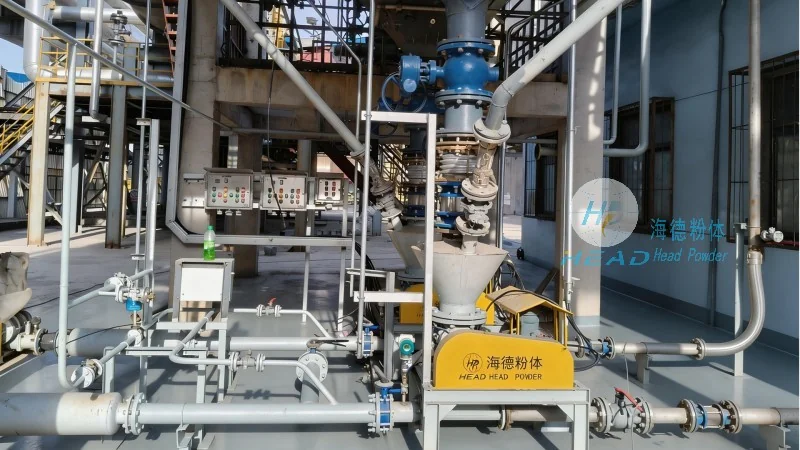
The application of pneumatic conveying in wood fiber processing environments is shaped by several critical characteristics that enhance operational efficiency and material integrity. Firstly, the system's ability to handle fine or fibrous materials without degradation is a significant advantage. Unlike mechanical systems that may cause fiber breakage or contamination, pneumatic conveying maintains the quality of wood fibers, which is crucial for downstream processes such as paper production or composite manufacturing. Secondly, the flexibility of the system in adapting to varying material flow rates and pipeline configurations is a key feature. Wood processing facilities often require dynamic material handling, and pneumatic conveying systems can be easily scaled or reconfigured to accommodate changes in production volume or material types. This adaptability reduces downtime and improves overall productivity. Thirdly, the hygienic and clean design of pneumatic conveying systems is particularly important in wood fiber applications, especially when dealing with materials destined for food or pharmaceutical uses. The enclosed pipeline system minimizes dust exposure and contamination risks, ensuring compliance with industry standards. Additionally, the energy efficiency of modern pneumatic conveying systems contributes to cost savings in long-term operations. By optimizing air pressure and flow rates, these systems reduce energy consumption while maintaining effective material transport, making them a sustainable choice for wood processing industries.
HeadPowder's Expertise in Wood Fiber Pneumatic Conveying Solutions
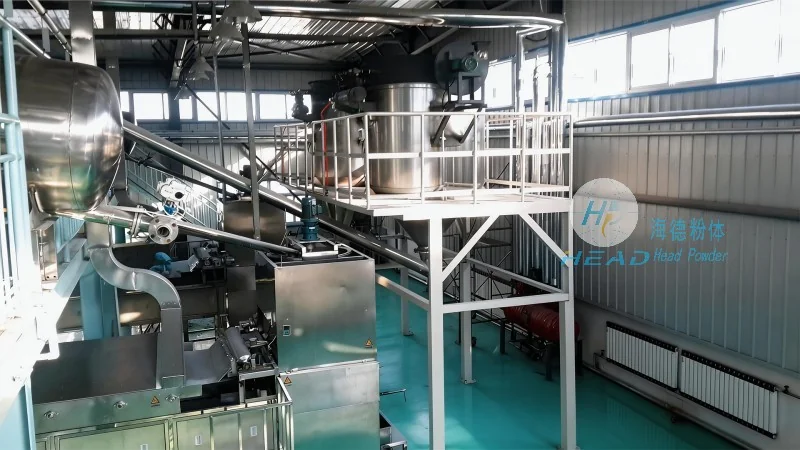
Shandong HeadPowder Engineering Co., Ltd., headquartered in Shandong, China, has established itself as a trusted provider of customized pneumatic conveying solutions for wood fiber applications. The company leverages decades of engineering experience to design and implement systems that meet the unique challenges of wood processing environments. HeadPowder's solutions are tailored to the specific characteristics of wood fibers, such as their density, moisture content, and abrasive properties, ensuring optimal performance and longevity. The company's team of experts works closely with clients to assess their operational needs, material handling requirements, and production goals, developing customized systems that enhance efficiency and reduce operational costs. Whether for small-scale wood chip processing or large-scale paper mill operations, HeadPowder's pneumatic conveying systems are engineered to deliver reliable, efficient, and sustainable material transport. The company's commitment to quality and innovation has made it a preferred partner for wood processing facilities seeking advanced material handling solutions.




