Understanding the air-driven conveying of furfural residue ash materials is crucial for optimizing material handling processes in industrial applications. This article explores the fundamental principles behind this technology and highlights the key characteristics of its operational scenarios, providing insights into how such systems enhance efficiency and reliability in material transport.
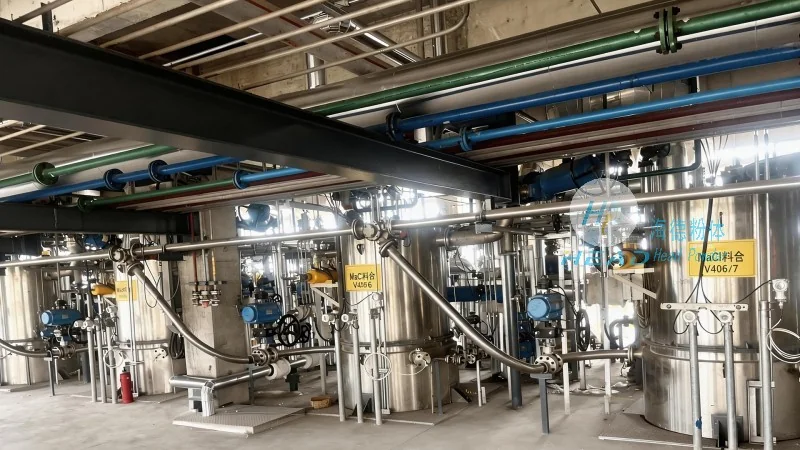
Introduction to Air-Driven Conveying Systems
HeadPowder Engineering, a leading provider of material handling solutions, specializes in the design and implementation of air-driven conveying systems tailored for challenging materials like furfural residue ash. These systems utilize pneumatic transport to move bulk materials through a network of pipes using compressed air or gas as the motive force. The core principle involves creating a pressure differential that propels the material from the source to the destination, ensuring a continuous and controlled flow.
Key Principles of Air-Driven Conveying for Furfural Residue Ash
The air-driven conveying of furfural residue ash relies on several critical principles to ensure effective material transport. First, the system must generate sufficient air velocity to overcome the material's resistance and lift it into the conveying line. This is achieved by using high-pressure air compressors that deliver the necessary air volume and pressure. Second, the design of the conveying line, including the pipe diameter, bends, and accessories, must be optimized to minimize pressure loss and maintain consistent flow rates. Third, the material's physical properties, such as particle size, density, and moisture content, are carefully considered to select the appropriate conveying velocity and system configuration.
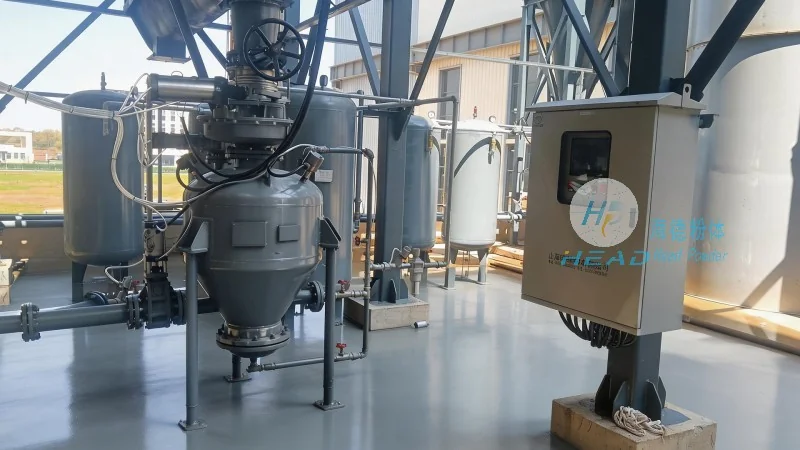
Working Scene Characteristics of Air-Driven Conveying Systems
The operational characteristics of air-driven conveying systems for furfural residue ash vary based on the specific industrial environment and application requirements. These systems are commonly employed in scenarios where traditional mechanical conveyors may face challenges due to the material's abrasive or corrosive nature. For instance, in chemical processing plants, where furfural residue ash is generated as a byproduct, air-driven conveyors offer a non-contact method of transport that reduces equipment wear and maintenance costs.
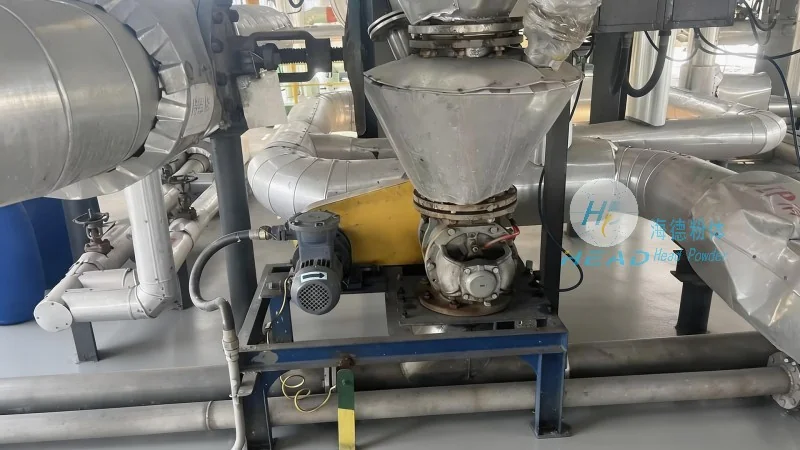
In industrial settings, the working scene characteristics include the need for flexibility in material routing, as air-driven systems can easily reconfigure to accommodate changes in production processes. Additionally, these systems are often integrated with other processing equipment, such as storage silos or processing units, to create a seamless material flow. The operational environment may involve high temperatures or hazardous conditions, making the durability and safety features of the air-driven conveying system paramount. HeadPowder Engineering ensures that their systems are designed to meet these demanding conditions, incorporating robust materials and advanced control mechanisms to maintain performance and safety.
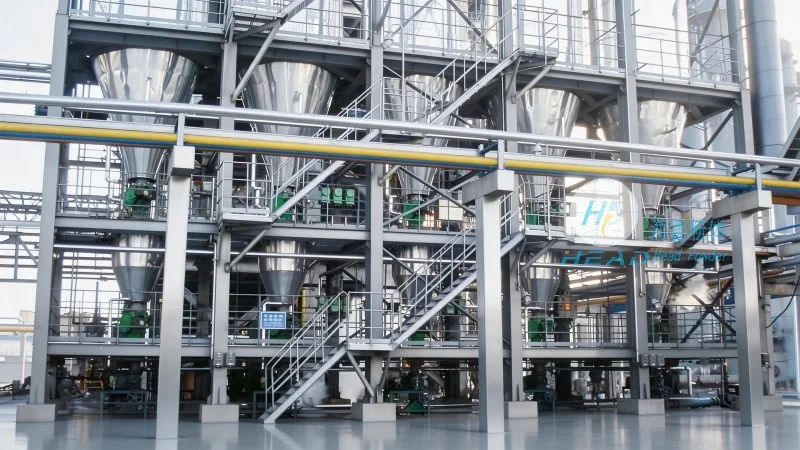
Advantages and Considerations in Air-Driven Conveying Applications
Implementing air-driven conveying for furfural residue ash offers several advantages over traditional methods. These include reduced labor costs due to automated material transport, lower equipment maintenance requirements, and improved safety by eliminating manual handling of hazardous materials. However, there are also considerations to address, such as energy consumption, which can be optimized through efficient system design and control strategies. Additionally, the system's capacity and scalability must be matched to the production volume to avoid bottlenecks or inefficiencies.
Conclusion and Company Overview
HeadPowder Engineering Co., Ltd., based in Shandong, China, is a trusted partner in providing advanced air-driven conveying solutions for furfural residue ash and other challenging materials. With a focus on innovation and customer-centric design, the company ensures that its systems meet the specific needs of industrial applications while adhering to safety and efficiency standards. By understanding the principles and working scene characteristics of air-driven conveying, industries can enhance their material handling processes, leading to improved productivity and reduced operational costs.




