

Principle and Working Scene Characteristics of Vacuum-Pressure Mixed Material Pneumatic Conveying Sy
Vacuum-pressure mixed pneumatic conveying systems represent a sophisticated approach to material handling, combining the benefits of both vacuum and pressure conveying methods to achieve efficient and versatile material transport. This technology is particularly effective for handling a wide range of bulk materials, from fine powders to granular solids, in various industrial applications. The system operates by integrating vacuum and pressure stages, allowing for flexible and controlled material movement, which enhances operational efficiency and reduces downtime.
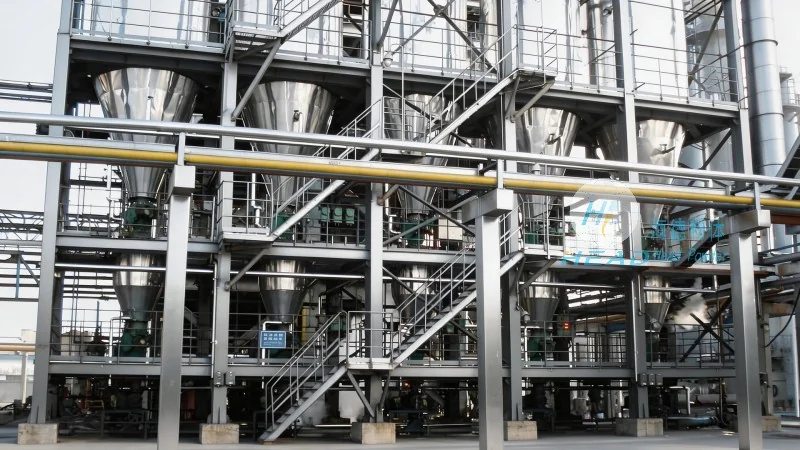
Principle of Operation
The core principle of a vacuum-pressure mixed system involves the sequential use of vacuum and pressure to move materials through a pipeline. Initially, a vacuum is applied to draw material from the source, such as a hopper or silo, into the conveying line. This stage is crucial for capturing and transporting materials that are light or have low bulk density. Subsequently, a pressure boost is introduced to push the material through the pipeline, overcoming resistance and ensuring reliable delivery to the destination. The mixed approach allows for the handling of materials with varying properties, including those that are prone to segregation or caking, by providing controlled acceleration and deceleration.
Key Components and Their Functions
Several critical components work in tandem to ensure the smooth operation of a vacuum-pressure mixed pneumatic conveying system. The main components include the vacuum source (often a rotary vane pump or a roots blower), the pressure source (such as a positive displacement blower or a compressor), the conveying line (typically made of stainless steel or plastic to prevent material degradation and corrosion), and the control system (which manages the switching between vacuum and pressure modes). Additionally, the system may incorporate features like cyclone separators for material separation, filters to maintain air quality, and check valves to prevent backflow. Each component plays a vital role in optimizing the conveying process, ensuring that materials are transported safely and efficiently.
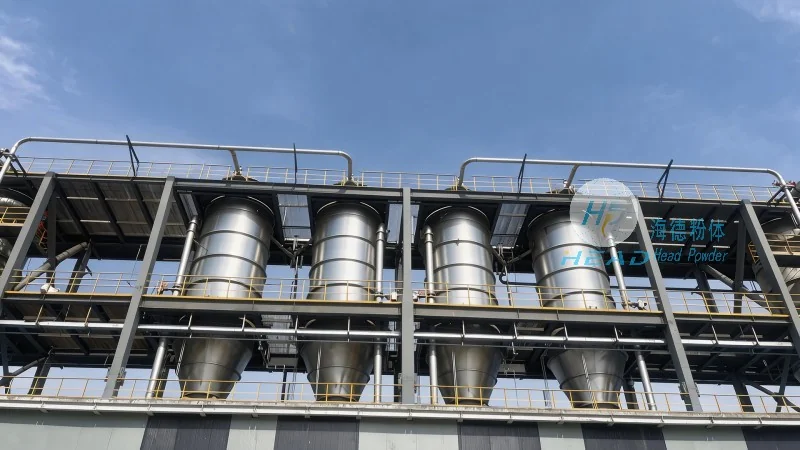
Working Scene Characteristics
The working scene characteristics of vacuum-pressure mixed pneumatic conveying systems are tailored to meet the diverse needs of industrial environments. These systems are commonly used in sectors such as pharmaceuticals, food processing, chemical manufacturing, and mining, where material handling demands precision and hygiene. The flexibility of the system allows it to adapt to different operational requirements, including varying material types, flow rates, and distances. For instance, in pharmaceutical applications, the system can handle sensitive powders with minimal contamination, while in food processing, it ensures that ingredients are transported without cross-contamination. The ability to handle both light and heavy materials makes it suitable for a wide range of industrial processes, from small-scale laboratory operations to large-scale production lines.
Advantages Over Traditional Conveying Methods
Compared to traditional conveying methods like belt conveyors or screw conveyors, vacuum-pressure mixed pneumatic conveying systems offer several advantages. One of the primary benefits is the ability to handle materials that are difficult to transport using conventional methods, such as fine powders that tend to create dust or granular materials that are prone to segregation. The system also reduces the risk of material degradation due to minimal contact with equipment, as the material is conveyed in a closed pipeline. Furthermore, the mixed vacuum-pressure approach allows for energy efficiency, as the system can adjust the pressure and vacuum levels based on the material and distance, optimizing energy consumption. This results in lower operational costs and reduced environmental impact, making it a sustainable choice for modern industrial operations.
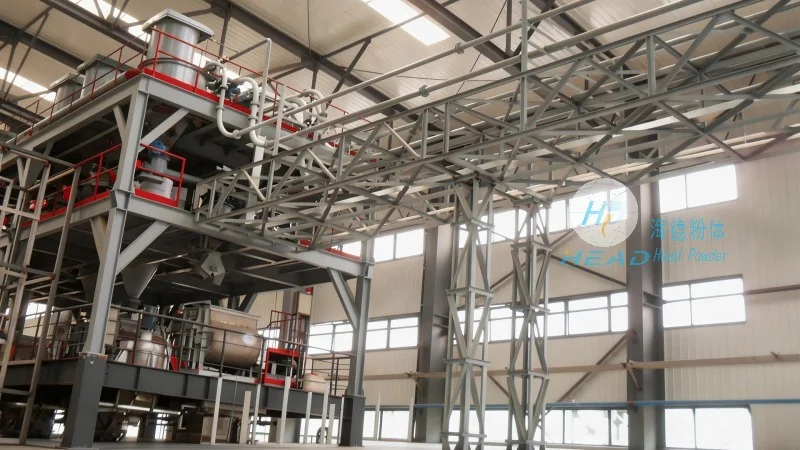
Applications in Industrial Settings
Vacuum-pressure mixed pneumatic conveying systems are widely applied in various industrial settings, each leveraging the system's unique capabilities to enhance productivity and safety. In the pharmaceutical industry, these systems are used to transport active pharmaceutical ingredients (APIs) and excipients with high precision, ensuring that the materials remain pure and free from contamination. In food processing, they handle ingredients like flour, sugar, and spices, maintaining hygiene standards and preventing cross-contamination. The chemical manufacturing sector utilizes these systems for transporting powders and granules, such as catalysts and reagents, where controlled handling is critical to process efficiency. Additionally, in the mining industry, vacuum-pressure mixed systems are employed to transport raw materials from mines to processing facilities, overcoming the challenges of long distances and varying material properties.
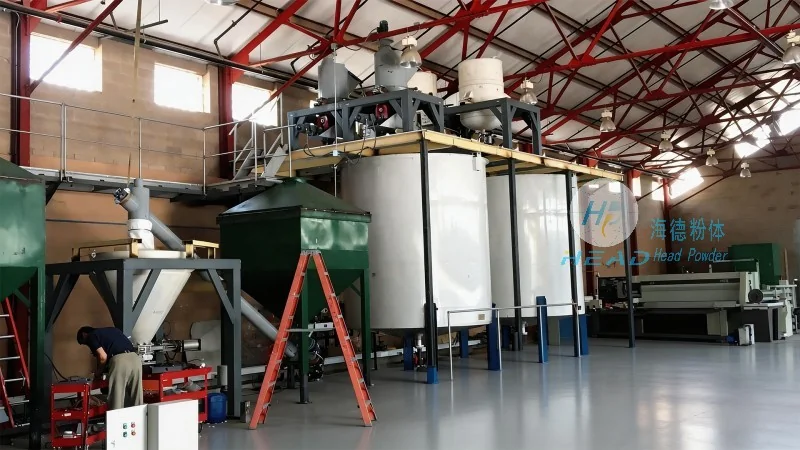
Case Study: Application in a Food Processing Plant
Consider a case study of a food processing plant in China that implemented a vacuum-pressure mixed pneumatic conveying system for transporting flour and sugar. The plant previously used traditional belt conveyors, which often resulted in dust accumulation and material loss. After installing the system, the plant experienced significant improvements in operational efficiency. The vacuum stage effectively captured the fine flour from the silo, while the pressure stage ensured reliable delivery to the mixing and packaging units. The system reduced dust emissions by 80%, improved material handling speed by 30%, and minimized product contamination. This case study highlights the practical benefits of vacuum-pressure mixed systems in enhancing productivity and maintaining quality standards in food processing applications.
Conclusion
Vacuum-pressure mixed pneumatic conveying systems represent a cutting-edge solution for material handling in modern industrial applications. By combining the advantages of vacuum and pressure conveying, these systems offer flexibility, efficiency, and reliability in transporting a wide range of materials. The integration of advanced components and control systems ensures that the system operates optimally, adapting to the specific needs of each industrial setting. As industries continue to seek sustainable and efficient material handling solutions, vacuum-pressure mixed pneumatic conveying systems remain a valuable asset, contributing to improved productivity, reduced costs, and enhanced product quality. With the support of companies like Shandong HeadPowder Engineering Co., Ltd., based in China, these systems are increasingly adopted across various sectors, demonstrating their effectiveness and versatility in meeting the evolving demands of industrial operations.