

Acrylic Ester Rubber Pneumatic Conveying Equipment: Operation Process and Working Principle
HeadPowder, a leading manufacturer based in Shandong, China, specializes in the design, production, and supply of high-quality pneumatic conveying equipment. With a strong focus on innovation and precision engineering, the company has established itself as a trusted partner in the industry, delivering reliable solutions for various material handling applications.
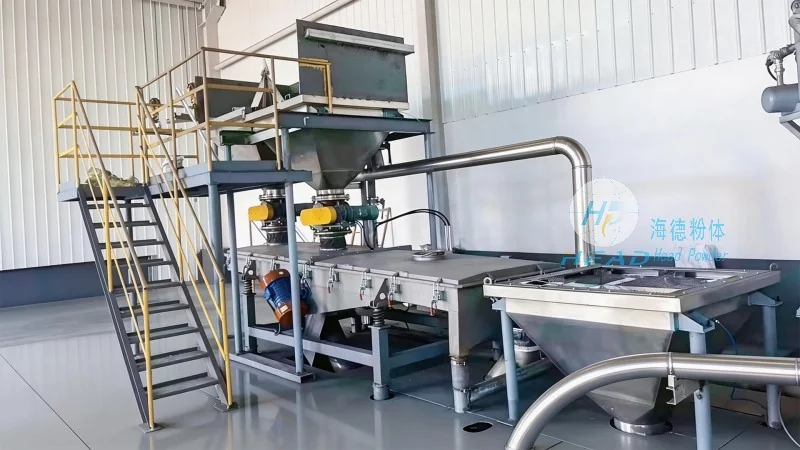
Overview of Acrylic Ester Rubber Pneumatic Conveying Equipment
Acrylic ester rubber pneumatic conveying equipment is a specialized system engineered to efficiently transport bulk materials through an air-driven process. This equipment utilizes the unique properties of acrylic ester rubber, known for its excellent resistance to chemicals, heat, and wear, making it ideal for handling a wide range of materials, including powders, granules, and fine particles. The system typically consists of a hopper, a blower or compressor, a pipeline network, and a discharge unit, all working in tandem to ensure smooth and continuous material transport.
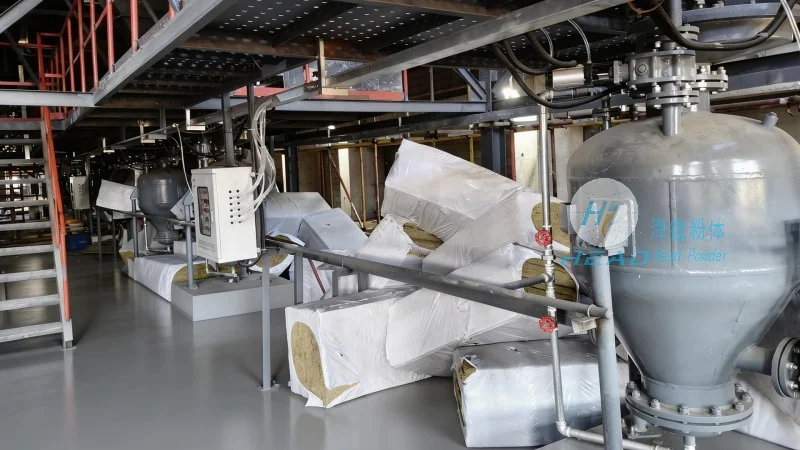
Operation Process of the Equipment
The operation of acrylic ester rubber pneumatic conveying equipment involves several key steps. Initially, the bulk material is fed into the hopper, where it is stored and prepared for transport. A blower or compressor then generates the necessary airflow, creating a pressure differential that propels the material through the pipeline. The material is carried by the air stream, moving from the hopper to the discharge point. The system is designed to maintain consistent airflow and pressure, ensuring that the material is transported without clogging or loss. The discharge unit at the end of the pipeline collects the material and releases it into the intended destination, such as a storage silo or processing unit.
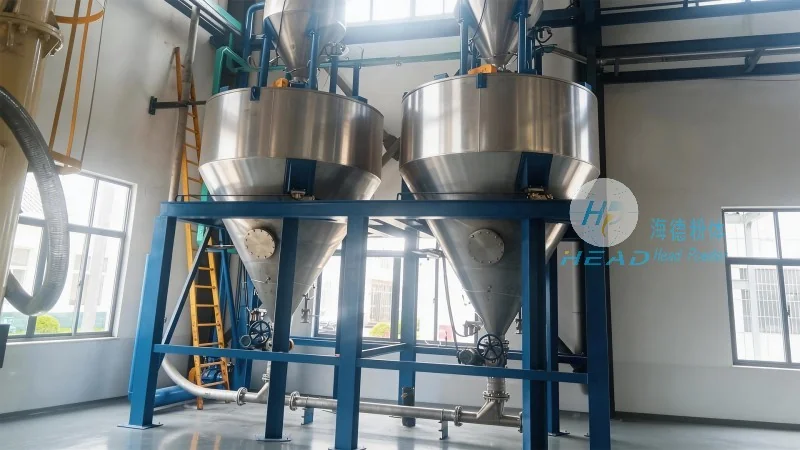
Working Principle of the Equipment
The working principle of this equipment is based on the principles of pneumatic conveying, where the material is suspended and transported by an air stream. The acrylic ester rubber components, particularly the hose and fittings, play a crucial role in maintaining the integrity of the system. These parts are resistant to the chemicals and abrasives present in the materials being handled, ensuring long-term durability and performance. The blower or compressor provides the necessary pressure to move the material, while the pipeline network directs the flow. The system is equipped with control mechanisms to regulate the airflow and pressure, allowing for precise control over the material transport process. This ensures that the equipment operates efficiently and safely, minimizing downtime and maintenance requirements.
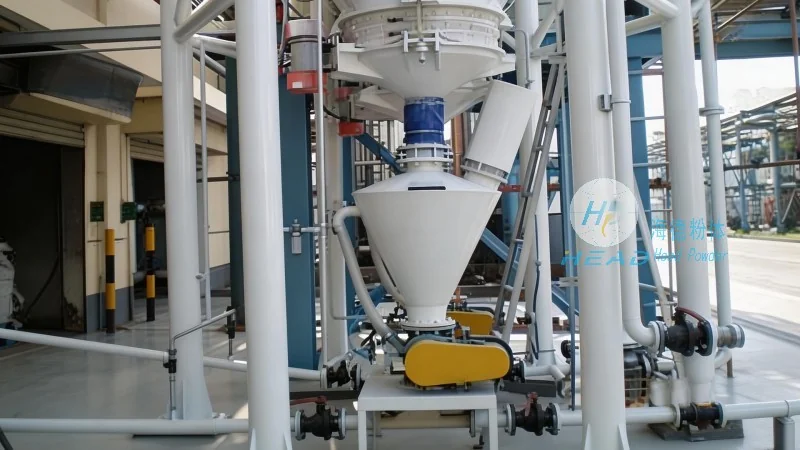
Technical Advantages of the Equipment
One of the key advantages of acrylic ester rubber pneumatic conveying equipment is its superior resistance to chemical and thermal degradation. The rubber components are engineered to withstand exposure to a wide range of chemicals, including acids, bases, and solvents, making them suitable for handling aggressive materials. Additionally, the material's resistance to wear and tear ensures that the equipment maintains its performance over extended periods, reducing the need for frequent replacements. The system's design also allows for easy maintenance and cleaning, as the components can be easily accessed and serviced. This contributes to lower operational costs and increased productivity. Furthermore, the equipment is designed to minimize material loss and clogging, ensuring that the transport process is efficient and reliable.