Roots blower pneumatic conveying lines represent advanced industrial systems engineered to transport bulk materials over extended distances with high efficiency and minimal operational maintenance. These systems are widely deployed across diverse sectors such as chemical manufacturing, food processing, and pharmaceuticals, owing to their capability to handle a broad spectrum of materials—from fine powders to granules—with precision and reliability. The core of such a system is the roots blower, which supplies the necessary air pressure or vacuum to drive material movement through a network of pipelines.
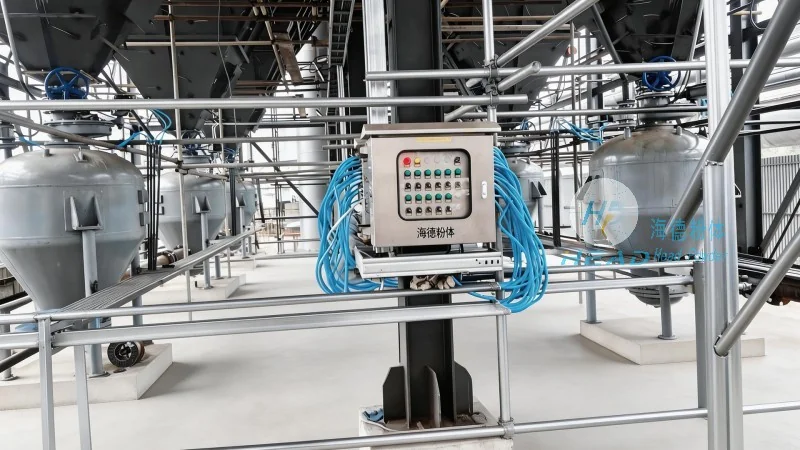
Company Introduction
HeadPowder, formally known as Shandong HeadPowder Engineering Co., Ltd., is a leading manufacturer specializing in pneumatic conveying solutions. With a strong operational presence in China, particularly in the Shandong province, the company has established a reputation for delivering high-quality equipment and technical expertise. HeadPowder's roots blower pneumatic conveying lines are meticulously engineered to meet the specific requirements of clients, ensuring optimal performance and durability in demanding operational environments.
Working Principle of Roots Blower Pneumatic Conveying Lines
The working principle of a roots blower pneumatic conveying line is grounded in the positive displacement mechanism of the roots blower. The roots blower comprises two interlocking lobed rotors that rotate in opposite directions, creating a continuous flow of air. As the rotors turn, they trap air within the cavities and propel it along the pipeline. In a conveying system, the roots blower can operate in either vacuum or pressure mode. In vacuum mode, it generates a negative pressure that draws material from a hopper into the pipeline. In pressure mode, it supplies compressed air to push material through the system. The material is then carried by the air stream through the pipeline to the discharge point, where it is separated from the air and collected.
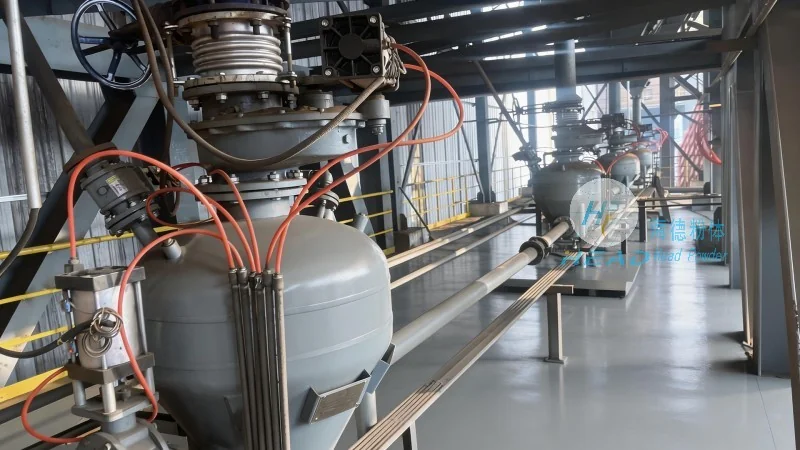
Key Components of the System
A typical roots blower pneumatic conveying line consists of several critical components that function in unison to ensure smooth operation. These components include the roots blower itself, a hopper for material storage, a feeder to regulate the flow of material into the system, a pipeline network for material transport, a filter to remove dust and particles from the air, and a discharge device to collect the material at the end of the line. Each component plays a vital role in maintaining the efficiency and reliability of the entire system.
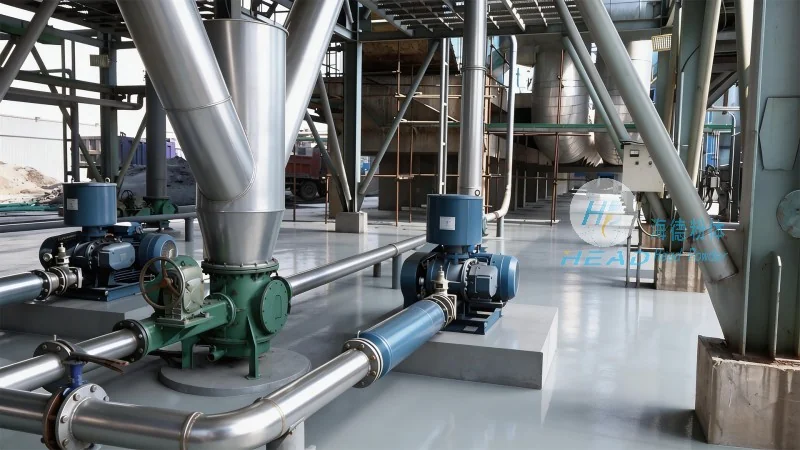
Operation Process of the System
The operation process of a roots blower pneumatic conveying line involves a series of steps to ensure safe and efficient material transport. First, the system is initiated by activating the roots blower, which begins to generate the required air pressure or vacuum. Next, the feeder is adjusted to control the flow rate of material into the system, ensuring consistent material feed. The material then enters the pipeline through the hopper and is carried by the air stream to the discharge point. The system continues to operate until the material is fully transferred, at which point the feeder is stopped and the roots blower is turned off. Proper maintenance of the system—including regular cleaning of the filter and inspection of the rotors—is essential to sustain optimal performance and prevent downtime.
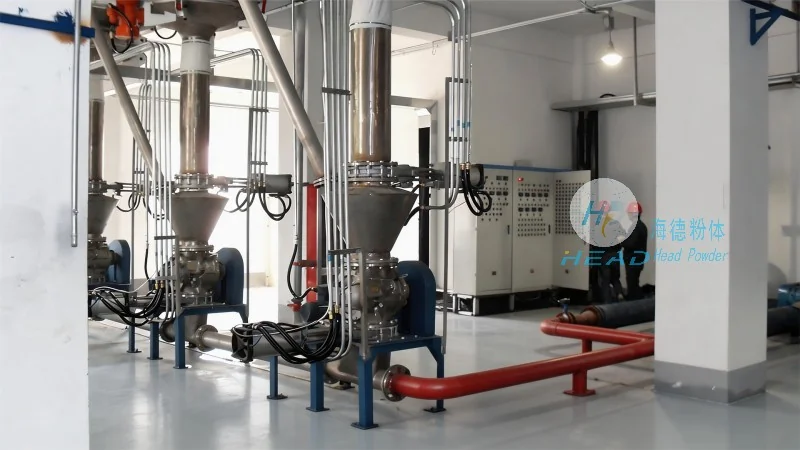
Advantages of Roots Blower Pneumatic Conveying Lines
Roots blower pneumatic conveying lines offer several advantages over traditional mechanical conveying systems. These include the ability to transport materials over long distances with minimal loss, the reduction of material contamination due to enclosed pipelines, and the capacity to handle a wide range of materials, including those that are dusty or corrosive. Additionally, the system is relatively easy to install and maintain, with lower energy consumption compared to other conveying methods. These advantages make roots blower pneumatic conveying lines an ideal choice for industries that demand high efficiency and reliability in material handling.
Applications in Various Industries
Roots blower pneumatic conveying lines are utilized in a variety of industries, including chemical manufacturing, food processing, pharmaceuticals, and mining. In the chemical industry, they are employed to transport powders and granules such as plastics, pigments, and chemicals. In the food industry, they are used to transport ingredients like flour, sugar, and spices, ensuring hygienic handling and preventing contamination. In the pharmaceutical industry, they are used to transport active ingredients and other materials, maintaining strict quality control standards. The versatility of the roots blower pneumatic conveying line makes it a valuable asset in any industry requiring efficient material handling.




