HeadPowder, a leading engineering company based in Shandong, China, specializes in the design, manufacturing, and installation of pneumatic conveying systems for PVC powder materials. This article provides a detailed overview of the operation process and working principle of such systems, highlighting the key components, operational steps, and technical considerations essential for efficient PVC powder handling.
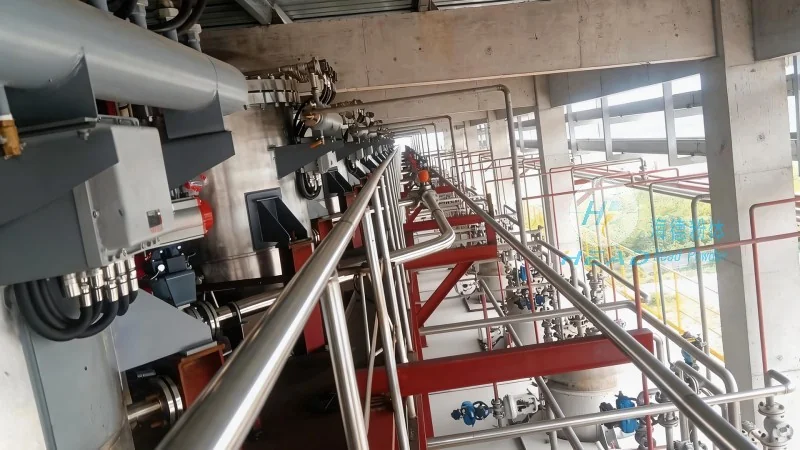
Introduction to PVC Powder Pneumatic Conveying Systems
PVC (Polyvinyl Chloride) powder is widely used in various industries, including construction, automotive, and manufacturing, due to its versatility and durability. Efficient and reliable transportation of PVC powder from storage to processing units is crucial for maintaining production efficiency and product quality. Pneumatic conveying systems offer a solution to this challenge by utilizing air as the conveying medium to transport the powder through pipelines. HeadPowder, with its expertise in material handling engineering, has developed advanced systems tailored to the unique characteristics of PVC powder, ensuring safe, clean, and efficient transport.
Key Components of a PVC Powder Pneumatic Conveying System
The pneumatic conveying system for PVC powder typically consists of several critical components that work in tandem to achieve effective material transport. These components include:
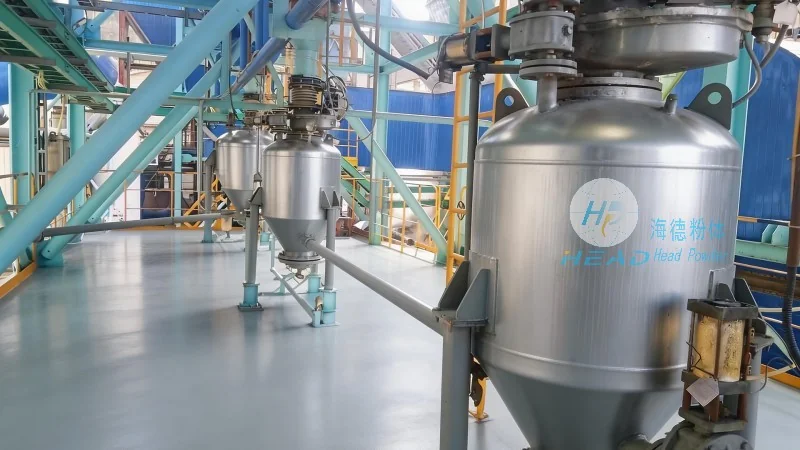
- Feeding Equipment: This component is responsible for feeding the PVC powder into the system. Common feeding devices include rotary valves, star feeders, or screw conveyors, which ensure a consistent and controlled flow of powder into the conveying line.
- Pneumatic Conveying Unit: The core of the system, this unit generates the air flow necessary to move the powder. It can be either an aspiration system (suction-based) or a pressure system (blowing-based), depending on the application requirements and the distance the powder needs to travel.
- Filter and Dust Collection System: As PVC powder is fine and can generate dust, a filtration system is essential to capture any particles that escape the conveying line. This system ensures compliance with environmental regulations and maintains a clean working environment.
- Control System: Modern pneumatic conveying systems are equipped with advanced control panels that monitor and regulate the flow of air and powder. These systems allow for real-time adjustments to optimize performance and prevent system failures.
Operation Process of PVC Powder Pneumatic Conveying
The operation process of a PVC powder pneumatic conveying system involves several sequential steps, each critical to the successful transport of the material. The process typically begins with the preparation of the PVC powder in the storage silo or hopper. The feeding equipment then draws the powder from the storage and introduces it into the conveying line.
Once the powder is in the line, the pneumatic conveying unit generates a high-velocity air stream. In an aspiration system, the air is drawn from the conveying line, creating a negative pressure that pulls the powder particles along with it. In a pressure system, the air is blown into the line, creating a positive pressure that pushes the powder forward. The air and powder mixture travels through the pipeline to the destination point, such as a processing unit or a storage silo.
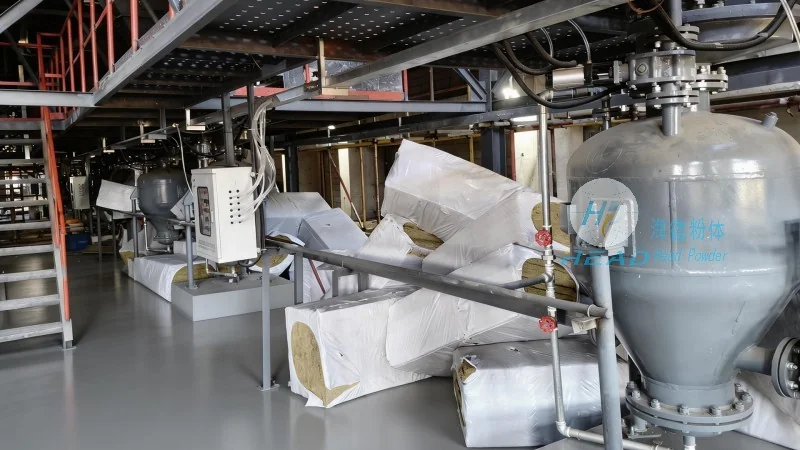
At the receiving end, the system may include a separation device, such as a cyclone or a bag filter, to separate the powder from the air. The separated powder is then discharged into the receiving container, while the air is filtered and released back into the environment. The control system continuously monitors the pressure, flow rate, and other parameters to ensure the system operates within optimal conditions.
Working Principle of PVC Powder Pneumatic Conveying
The working principle of pneumatic conveying for PVC powder is based on the interaction between the powder particles and the air stream. The key principle is that the air flow provides the necessary kinetic energy to lift and transport the powder particles through the pipeline. The efficiency of the system depends on several factors, including the particle size, density, and moisture content of the PVC powder, as well as the air velocity and pressure.
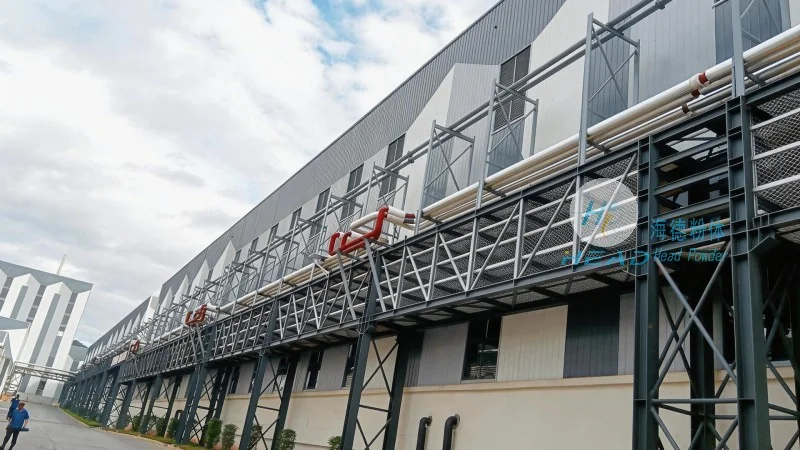
In aspiration systems, the negative pressure created by the suction fan draws the powder particles into the conveying line. The air flow carries the powder particles along the pipeline, and the separation device at the end separates the powder from the air. In pressure systems, the positive pressure generated by the blower pushes the powder particles through the pipeline. The air velocity must be high enough to overcome the gravitational force and the friction between the particles and the pipeline walls.
HeadPowder's engineers have optimized the design of these systems to handle the specific properties of PVC powder. For example, the system may include special features such as air locks or rotary valves to prevent the backflow of powder and maintain a consistent flow rate. The use of appropriate materials for the pipeline, such as stainless steel or plastic, ensures that the PVC powder does not react with the conveying surface and maintains its quality.




