

The Operation Process and Working Principle of Expanded Clay Aggregate Pneumatic Conveying
Expanded clay aggregate, also known as lightweight aggregate, is widely used in construction, landscaping, and industrial applications due to its lightweight, high strength, and excellent thermal insulation properties. Pneumatic conveying is a critical method for transporting these materials efficiently and safely. This article provides a detailed overview of the operation process and working principle of pneumatic conveying systems specifically designed for expanded clay aggregates, highlighting the key components, operational steps, and the role of specialized engineering companies like Shandong HeadPowder Engineering Co., Ltd.
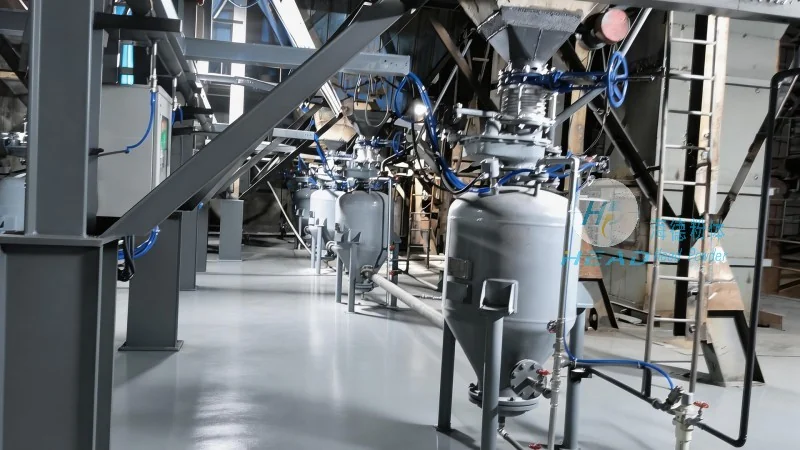
Understanding the Working Principle of Pneumatic Conveying for Expanded Clay Aggregates
The core principle of pneumatic conveying involves using compressed air or gas to transport bulk materials through a pipeline system. In the case of expanded clay aggregates, the system typically operates under positive pressure, where air is forced through the material to create a fluidized state. This fluidization allows the aggregates to move along the pipeline as a dense or dilute phase, depending on the system design and operational parameters. The process relies on the interaction between the air flow and the material particles, ensuring consistent and reliable transport without the need for mechanical components like belts or buckets, which can be prone to wear and maintenance issues.
Key Components and Their Functions in the Pneumatic Conveying System
A typical pneumatic conveying system for expanded clay aggregates consists of several essential components, each playing a crucial role in the overall operation. The primary components include a material hopper or feeder, a compressor or air supply unit, a pipeline network, a control system, and a discharge or collection unit. The material hopper is responsible for storing and feeding the expanded clay aggregates into the system at a controlled rate, preventing blockages and ensuring a steady flow. The compressor generates the necessary pressure and airflow to move the material through the pipeline. The pipeline network, often made of stainless steel or other corrosion-resistant materials, transports the material from the source to the destination. The control system monitors and adjusts the air pressure, flow rate, and material feed rate to maintain optimal performance and prevent system overload. Finally, the discharge unit collects the transported aggregates at the end of the pipeline, completing the conveying process.
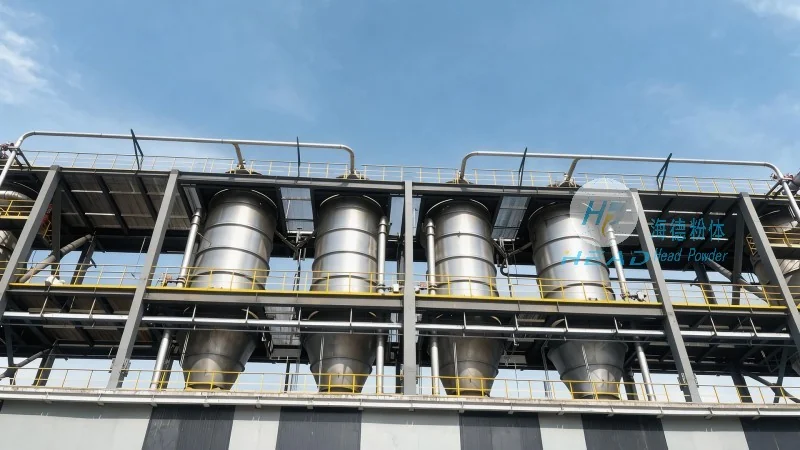
Step-by-Step Operation Process of the Pneumatic Conveying System
The operation of a pneumatic conveying system for expanded clay aggregates follows a systematic sequence of steps to ensure efficient and safe material transport. The process begins with the loading of the expanded clay aggregates into the material hopper. The hopper is equipped with a feeder mechanism, such as a rotary valve or a screw feeder, which regulates the material flow into the pipeline. Simultaneously, the compressor starts and generates compressed air, which is introduced into the pipeline at the inlet of the hopper. As the air flows through the material, it fluidizes the aggregates, creating a mixture of air and particles that moves along the pipeline under pressure. The material travels through the pipeline network, which may include bends, elbows, and expansion joints, all designed to minimize pressure loss and maintain the fluidized state. At the receiving end, the discharge unit, often a cyclone separator or a rotary valve, collects the expanded clay aggregates from the air stream. The air is then filtered and discharged, while the aggregates are collected for further use or processing. The control system continuously monitors the system parameters, such as pressure, flow rate, and material level, and adjusts the operation as needed to maintain stability and prevent system failures.
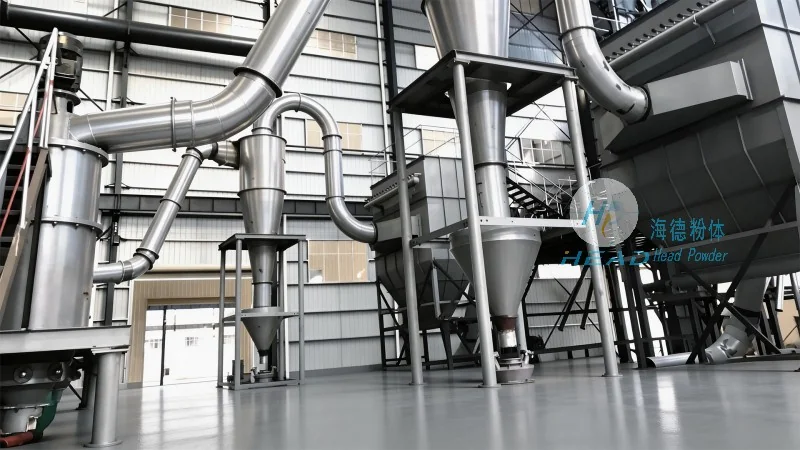
Role of Shandong HeadPowder Engineering Co., Ltd. in Pneumatic Conveying Solutions
Shandong HeadPowder Engineering Co., Ltd., a leading provider of engineering solutions for bulk material handling, specializes in designing and manufacturing pneumatic conveying systems tailored to the unique requirements of expanded clay aggregates. The company leverages advanced technology and extensive industry experience to develop customized solutions that optimize material transport efficiency, reduce operational costs, and enhance safety. With a focus on quality and reliability, HeadPowder engineers work closely with clients to understand their specific needs, from material characteristics and transport distances to operational constraints and budget considerations. The company's expertise extends to system integration, including the selection of appropriate components, pipeline design, and control system implementation, ensuring that each solution is tailored to the client's unique requirements. By partnering with HeadPowder, clients can benefit from state-of-the-art pneumatic conveying systems that deliver consistent performance, minimize downtime, and support their business objectives.
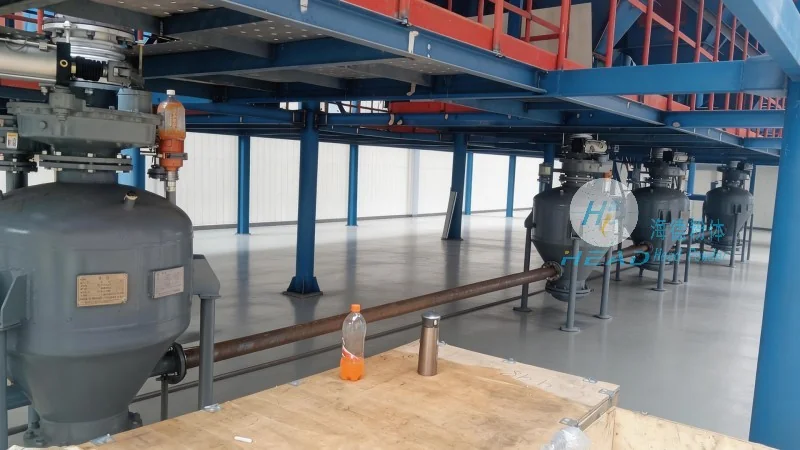
Advantages of Pneumatic Conveying for Expanded Clay Aggregates
Pneumatic conveying offers several advantages over traditional mechanical conveying methods for expanded clay aggregates. One of the key benefits is the ability to transport materials over long distances without the need for intermediate transfer points or storage facilities. This reduces the overall system complexity and operational costs. Additionally, pneumatic conveying systems are less prone to material degradation or contamination compared to mechanical systems, as there are no moving parts in direct contact with the material. The fluidized state of the material also minimizes the risk of blockages and ensures consistent flow rates, leading to improved system reliability and reduced maintenance requirements. Furthermore, the system can be easily integrated with other processing equipment, such as mixing or blending units, allowing for seamless material handling in industrial applications. The flexibility of pneumatic conveying systems also enables them to handle a wide range of material characteristics, including different particle sizes, shapes, and moisture content, making them suitable for diverse applications in construction, landscaping, and manufacturing.
Conclusion and Future Trends in Pneumatic Conveying Technology
In conclusion, pneumatic conveying is a highly effective and efficient method for transporting expanded clay aggregates, offering numerous advantages over traditional mechanical systems. The working principle, based on fluidization and pressure-driven transport, ensures reliable and consistent material movement, while the systematic operation process ensures optimal performance and safety. Companies like Shandong HeadPowder Engineering Co., Ltd. play a crucial role in developing and implementing these systems, providing customized solutions that meet the specific needs of clients. As technology advances, future trends in pneumatic conveying technology may include the integration of smart sensors and automation systems to enhance monitoring and control, as well as the development of more energy-efficient and environmentally friendly systems. However, the fundamental principles of pneumatic conveying will continue to be a cornerstone of bulk material handling, particularly for lightweight aggregates like expanded clay, due to its efficiency, reliability, and adaptability.