

Operation Process and Working Principle of Pneumatic Conveying for Sanding Powder Materials
HeadPowder, a prominent enterprise based in Shandong, China, specializes in providing advanced pneumatic conveying solutions tailored for industrial material handling. With a focus on efficiency and reliability, the company has established itself as a trusted partner in the field of material transport, particularly for sanding powder and similar fine materials.
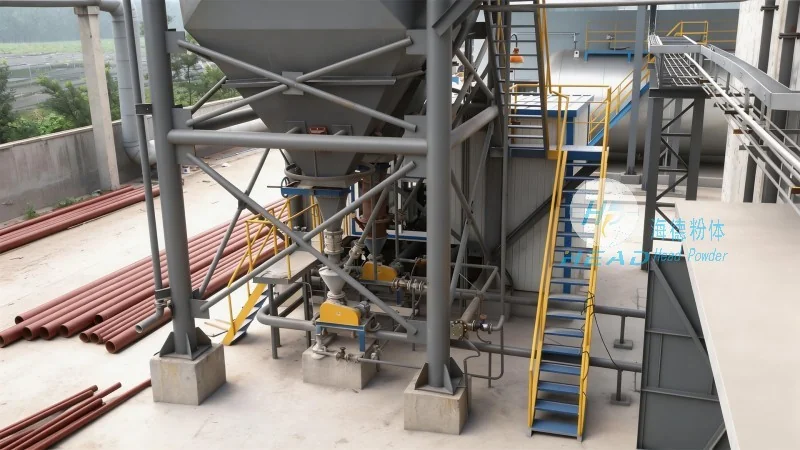
Pneumatic Conveying for Sanding Powder Materials: Operation Process and Working Principle
Pneumatic conveying systems are widely utilized in industrial applications to transport sanding powder and other fine particulate materials from one location to another. These systems operate by using air or gas as the conveying medium, enabling the material to be moved through pipelines without the need for mechanical components like belts or buckets. The process involves several key components and steps that ensure smooth and efficient material transport.
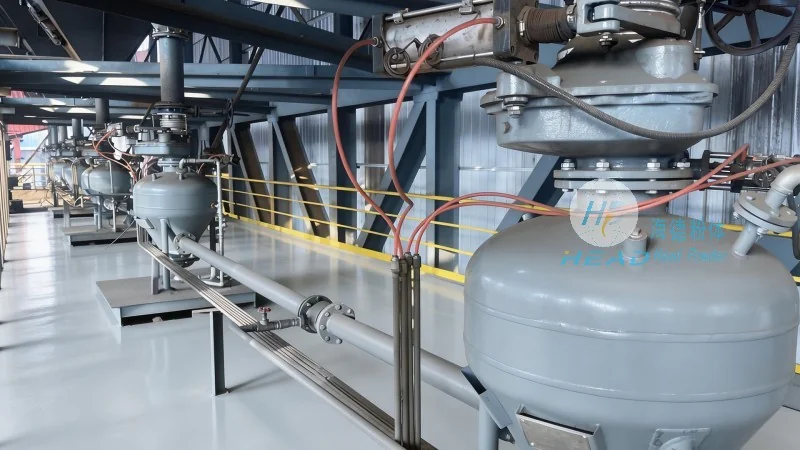
Working Principle of Pneumatic Conveying for Sanding Powder
The core of a pneumatic conveying system for sanding powder lies in the interaction between the material and the air flow. The system typically consists of a material hopper, a feeder, a conveying line, and a receiver. The material is fed into the system from the hopper, where it is then introduced into the conveying line via the feeder. As the air is introduced into the line, it creates a pressure differential that lifts and transports the sanding powder particles along the pipeline. The air flow is carefully controlled to maintain the appropriate velocity and pressure, ensuring that the material is conveyed without clogging or degradation.
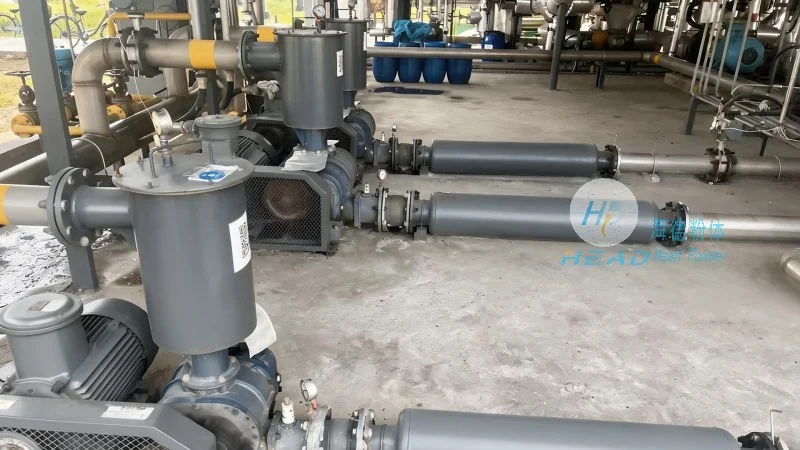
Operation Process of the Pneumatic Conveying System
The operation of a pneumatic conveying system for sanding powder involves a series of coordinated steps. First, the sanding powder is loaded into the material hopper. The feeder then regulates the flow of the material into the conveying line, ensuring a consistent feed rate. Simultaneously, the air compressor or blower generates the necessary air pressure and flow rate. The air and material mixture travels through the pipeline, with the material being suspended and transported by the air current. At the receiving end, the material is deposited into the designated container, while the air is either filtered and recirculated or released to the atmosphere. This process is continuous and can be adjusted to handle varying material volumes and pipeline lengths.
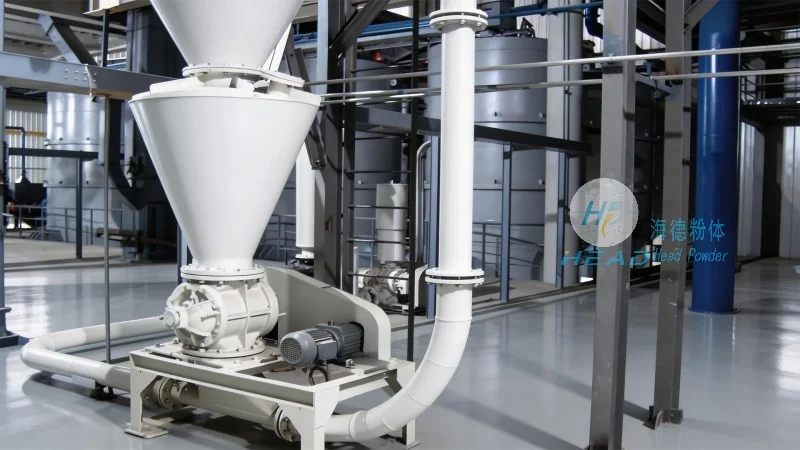
Advantages of Pneumatic Conveying for Sanding Powder Applications
Pneumatic conveying systems offer several advantages when handling sanding powder materials. These include the ability to transport materials over long distances without the need for intermediate transfer points, reducing the risk of contamination and material loss. The system is also highly flexible, allowing for changes in material flow rates and pipeline configurations. Additionally, the enclosed pipeline design minimizes dust emissions and improves workplace safety, which is crucial when dealing with fine powders. The efficiency of the system in terms of energy consumption and material throughput makes it a cost-effective solution for industrial sanding powder handling needs.