

Operation Process and Working Principle of Chlorine Hydrogen Material Pneumatic Conveying
Chlorine hydrogen is a critical chemical substance widely used in various industrial applications, and its safe and efficient transportation is essential for industrial operations. Pneumatic conveying is a common method for handling chlorine hydrogen materials, offering advantages such as non-contact material transport, reduced contamination risk, and improved process control. Shandong HeadPowder Engineering Co., Ltd. (headpowder), a leading manufacturer based in Shandong, China, specializes in designing and supplying advanced pneumatic conveying systems tailored to the unique needs of chlorine hydrogen applications.
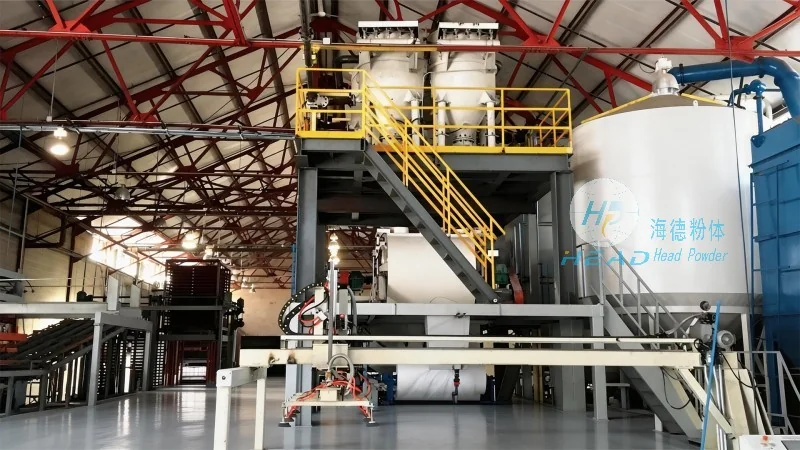
Overview of Pneumatic Conveying Systems for Chlorine Hydrogen
Pneumatic conveying systems for chlorine hydrogen typically consist of several core components, including a material feed system, a conveying pipeline, a gas supply system, and a collection or discharge unit. The system operates by using compressed air or other gases to transport the chlorine hydrogen material through the pipeline. The design of the system must adhere to strict safety standards due to the hazardous nature of chlorine hydrogen, ensuring that all components are properly sealed and protected against leaks.
Key Components of Chlorine Hydrogen Pneumatic Conveying Systems
The material feed system is responsible for introducing the chlorine hydrogen material into the conveying pipeline. This component may include a hopper, a rotary valve, or a screw feeder, depending on the material's characteristics and the system's requirements. The hopper stores the chlorine hydrogen, while the rotary valve or screw feeder controls the flow rate and ensures a consistent feed. The conveying pipeline is usually made of corrosion-resistant materials, such as stainless steel or special plastic, to withstand the chemical properties of chlorine hydrogen and prevent degradation over time. The gas supply system provides the necessary pressure and flow rate of the conveying gas, which is typically air or a specialized inert gas, depending on the application. The collection or discharge unit receives the material at the end of the pipeline and may include a filter, a cyclone separator, or a storage tank to handle the material safely. headpowder ensures that all components are manufactured to meet strict industry standards, guaranteeing durability and reliability in harsh chemical environments.
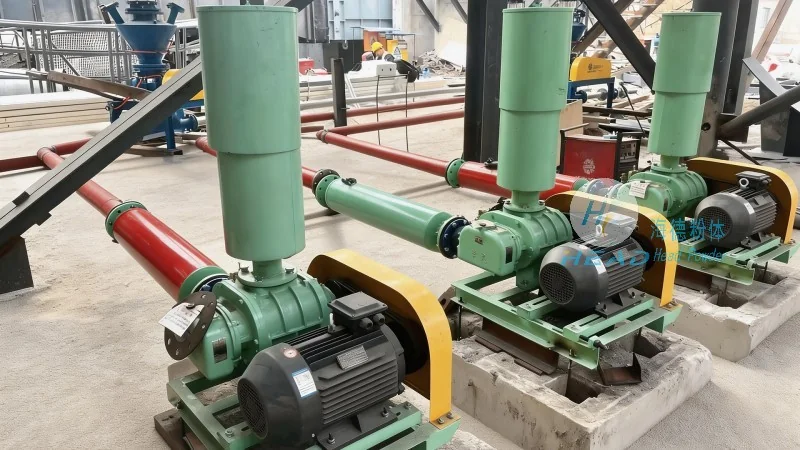
Operation Process of Chlorine Hydrogen Pneumatic Conveying
The operation process of a chlorine hydrogen pneumatic conveying system involves several sequential steps. First, the chlorine hydrogen material is fed into the hopper from the storage area. The rotary valve or screw feeder then regulates the material flow into the conveying pipeline. Simultaneously, the gas supply system generates the required pressure and flow rate of the conveying gas. The compressed gas is introduced into the pipeline, creating a flow that carries the chlorine hydrogen particles forward. As the material travels through the pipeline, it may encounter various components, such as bends, valves, or expansion joints, which are designed to minimize pressure loss and maintain the material's velocity. The material is then discharged at the collection unit, where it is separated from the gas and collected for further processing or storage. The entire process is controlled by a system of sensors and controls, which monitor parameters like pressure, flow rate, and material level to ensure optimal operation and safety. headpowder's expertise in system integration ensures that these controls are precisely calibrated to handle the specific challenges of chlorine hydrogen transport.
Working Principle of Pneumatic Conveying for Chlorine Hydrogen
The working principle of pneumatic conveying for chlorine hydrogen is based on the interaction between the conveying gas and the material particles. When the compressed gas flows through the pipeline, it creates a low-pressure zone that draws the material particles into the gas stream. The gas velocity is maintained at a level sufficient to keep the material suspended and transported through the pipeline. The key to efficient conveying is achieving the correct gas velocity and pressure, which depends on factors such as the material's density, particle size, and flow characteristics. The system must be designed to handle the specific properties of chlorine hydrogen, including its corrosive nature and potential for exothermic reactions, to ensure safe and reliable operation. headpowder employs advanced engineering techniques to optimize the gas flow and material transport, ensuring maximum efficiency and minimal energy consumption.
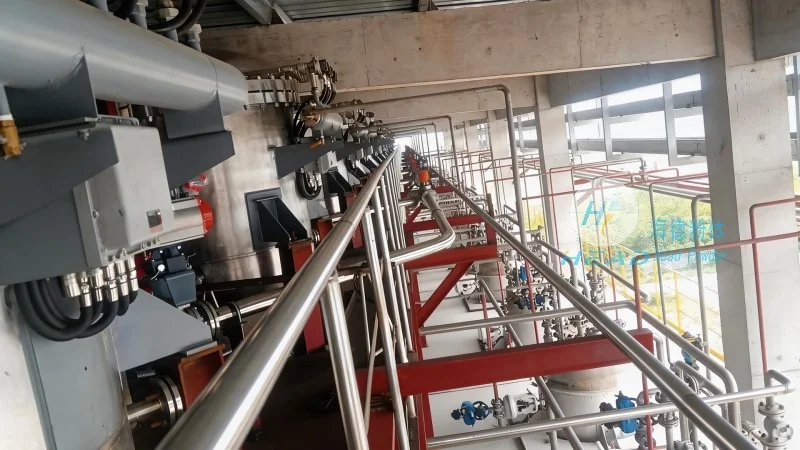
Technical Considerations and Safety Measures
When implementing a chlorine hydrogen pneumatic conveying system, several technical considerations and safety measures must be taken into account. First, the system must be constructed from materials that are resistant to corrosion and chemical attack, such as stainless steel or specialized alloys, to prevent degradation and ensure long-term durability. The pipeline must be properly sealed and maintained to prevent leaks, which could lead to hazardous conditions. Additionally, the system should include safety features like pressure relief valves, emergency shut-off systems, and gas detection sensors to monitor for leaks or abnormal conditions. Regular maintenance and inspection are also critical to ensure the system operates safely and efficiently. The design of the system should also consider the potential for exothermic reactions, as chlorine hydrogen can release heat during handling, and appropriate cooling or heat removal measures may be necessary. headpowder adheres to the highest safety standards, conducting thorough risk assessments and providing comprehensive maintenance services to ensure customer safety and system longevity.
Applications and Benefits of Chlorine Hydrogen Pneumatic Conveying
Chlorine hydrogen pneumatic conveying systems are widely used in various industrial applications, including chemical manufacturing, pharmaceutical production, and food processing. The benefits of using pneumatic conveying for chlorine hydrogen include improved process efficiency, reduced labor costs, and enhanced safety compared to traditional methods like manual handling or mechanical conveying. The system allows for continuous and automated material transport, reducing the risk of human error and improving product quality. Additionally, pneumatic conveying can handle materials with varying particle sizes and flow rates, making it a versatile solution for different industrial needs. The use of corrosion-resistant materials and strict safety measures ensures that the system operates reliably and safely, meeting the stringent requirements of industrial applications. headpowder's commitment to quality and innovation has made it a trusted partner for industries requiring advanced material handling solutions for chlorine hydrogen and other hazardous materials.