

Operation Process and Working Principle of Plastic Powder Material Handling Systems
Plastic powder material handling systems are essential in various industrial applications, particularly in the plastics manufacturing, chemical processing, and food processing industries. These systems are designed to efficiently transport plastic powders from storage to processing equipment, ensuring consistent flow and preventing material degradation. The operation of such systems involves a series of steps and components that work in harmony to achieve reliable and safe material transfer.
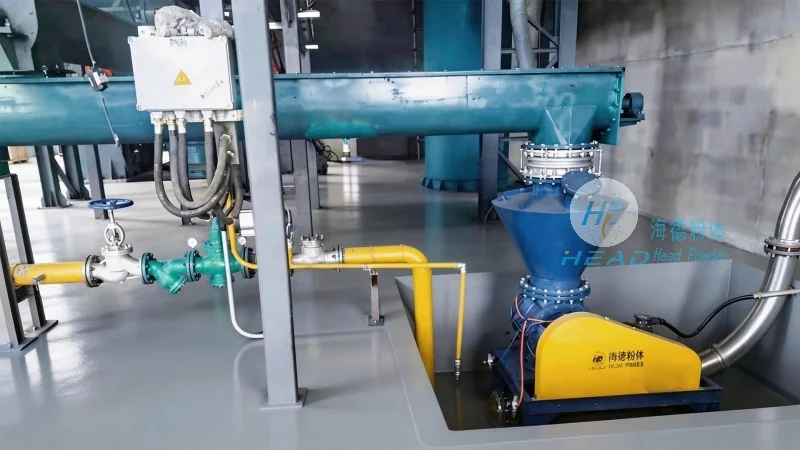
About Shandong HeadPowder Engineering Co., Ltd.
Headpowder, as the company name suggests, specializes in engineering solutions for material handling, with a focus on plastic powder systems. Based in Shandong, China, Headpowder has established itself as a leading provider of customized material handling equipment tailored to the unique needs of its clients. The company's expertise lies in designing, manufacturing, and installing systems that enhance productivity, reduce downtime, and improve overall operational efficiency in plastic powder processing facilities.
Operation Process of Plastic Powder Material Handling Systems
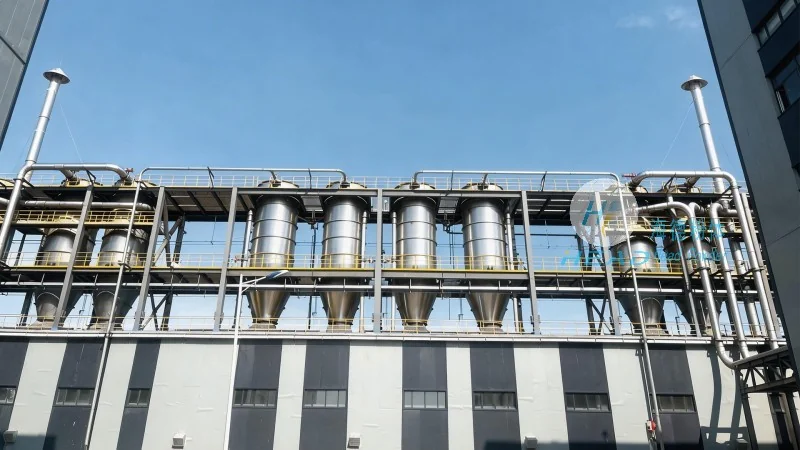
The operation of a typical plastic powder material handling system begins with the storage of plastic powder in a silo or hopper. The system then uses a combination of components, including feeders, conveyors, and control systems, to move the powder from the storage vessel to the processing equipment. The process typically involves the following steps:
1. Material Loading and Storage: Plastic powder is stored in a silo or hopper, which is equipped with a lid or cover to prevent contamination and moisture ingress. The silo may also include a level indicator to monitor the powder level, ensuring that the system operates within optimal capacity.
2. Pneumatic Conveying or Mechanical Conveying: Depending on the system design, the plastic powder is conveyed either through pneumatic systems (using air pressure to move the powder) or mechanical systems (such as screw conveyors or belt conveyors). Pneumatic systems are commonly used for long-distance or high-volume transport, while mechanical systems are suitable for shorter distances or when the powder is sensitive to air exposure.
3. Feeding and Metering: Once the powder is conveyed to the processing area, a feeder or metering device regulates the flow rate. This step is crucial for maintaining consistent material input to the processing equipment, such as extruders or mixers. The feeder may be a rotary valve, a screw feeder, or a vibratory feeder, depending on the powder characteristics and application requirements.
4. Control and Monitoring: Modern plastic powder material handling systems are equipped with advanced control systems that monitor parameters like pressure, flow rate, and temperature. These systems ensure that the operation is safe and efficient, with alarms and safety features to prevent overfilling or system failures.
Working Principle of Plastic Powder Material Handling Systems
The working principle of plastic powder material handling systems revolves around the transfer of material from a source to a destination through a series of mechanical and pneumatic components. The core components include storage vessels, conveyors, feeders, and control units, each playing a specific role in the overall process.
For pneumatic conveying systems, the principle involves creating a pressure differential between the source and destination. Compressed air is introduced into the system, which lifts the plastic powder particles and transports them through pipes. The air and powder mixture is then separated at the destination, with the powder collected and the air either recycled or vented. This method is effective for handling fine powders and can achieve high transport speeds.
In mechanical conveying systems, the principle is based on the physical movement of the powder using rotating parts or belts. Screw conveyors, for example, use a rotating screw to push the powder forward, while belt conveyors use a moving belt to transport the material. These systems are often used for shorter distances and are suitable for powders that are not sensitive to air or moisture.
The control system integrates all components, ensuring that the flow rate, pressure, and temperature are maintained within the desired range. Sensors and controllers monitor the system's performance, providing real-time data and triggering adjustments as needed. This closed-loop control helps in optimizing the system's efficiency and preventing issues such as clogging or material buildup.
Advantages of Plastic Powder Material Handling Systems
Plastic powder material handling systems offer several advantages that make them indispensable in industrial settings. These include:
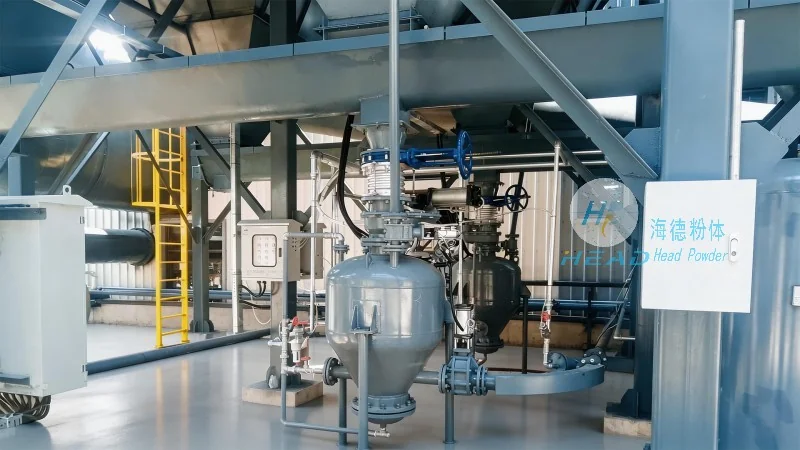
1. Efficient Material Transfer: The systems ensure consistent and reliable transport of plastic powder, reducing the risk of material loss or contamination. This efficiency leads to higher productivity and lower operational costs.
2. Customization and Flexibility: Headpowder, as a specialized manufacturer, offers customized solutions tailored to the specific needs of each client. This flexibility allows the system to adapt to different powder types, processing requirements, and facility layouts.
3. Reduced Downtime: Well-designed material handling systems minimize downtime by ensuring smooth and continuous material flow. This reduces the need for manual intervention and maintenance, leading to improved operational reliability.
4. Enhanced Safety: Modern systems incorporate safety features such as pressure relief valves, emergency stop buttons, and monitoring systems. These features help in preventing accidents and ensuring the safety of personnel and equipment.
Conclusion
Plastic powder material handling systems are critical components in the plastics industry, enabling efficient and safe transfer of plastic powders from storage to processing equipment. With advanced technology and customized solutions from companies like Shandong HeadPowder Engineering Co., Ltd., these systems have become essential for maintaining high productivity and operational efficiency in industrial settings. The combination of pneumatic and mechanical components, along with sophisticated control systems, ensures that plastic powder material handling systems operate reliably and effectively, meeting the demands of modern manufacturing processes.