

What is a PVC Powder Material Handling System? And What Are Its Design Principles?
For industrial applications involving the transportation of PVC powder, understanding the appropriate material handling systems is crucial. This article explores the PVC powder material handling system and its underlying design principles, highlighting the key components and engineering considerations that ensure efficient and safe operation.
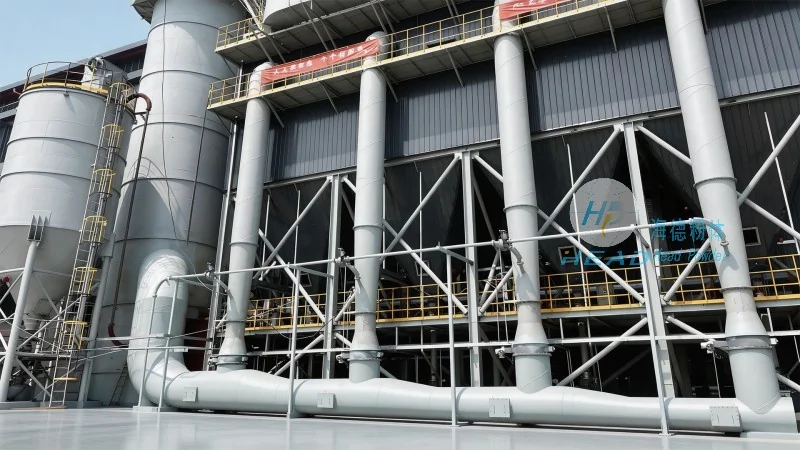
PVC Powder Material Handling System Overview
A PVC powder material handling system is a specialized setup designed to transport, store, and manage PVC powder in industrial settings. These systems are essential for manufacturing processes where PVC powder is a primary raw material. The system typically includes components such as hoppers, conveyors, dust collection systems, and control mechanisms. The primary goal is to ensure the material is moved from storage to processing equipment with minimal loss, contamination, and energy consumption.
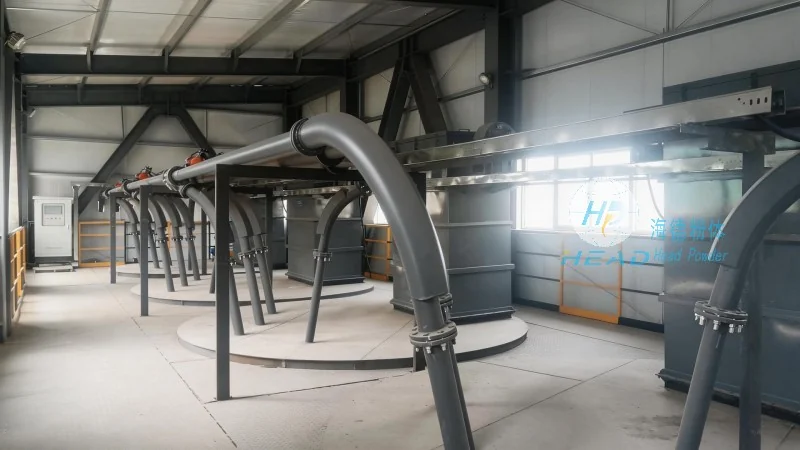
Key Components of the System
The PVC powder material handling system consists of several critical components that work in tandem to achieve efficient material flow. The first component is the hopper, which serves as the storage vessel for the PVC powder. Hoppers are designed with specific angles and shapes to prevent material bridging and ensure smooth discharge. Next, the conveyor system, which may include screw conveyors, pneumatic conveyors, or belt conveyors, is responsible for transporting the powder from the hopper to the processing equipment. The choice of conveyor type depends on factors like material properties, distance, and required flow rate. Additionally, a dust collection system is integral to the design, as PVC powder can generate airborne particles that need to be captured and filtered to maintain a safe working environment and comply with environmental regulations. Control mechanisms, including sensors and valves, regulate the flow rate and ensure the system operates smoothly without overloading or underflow.
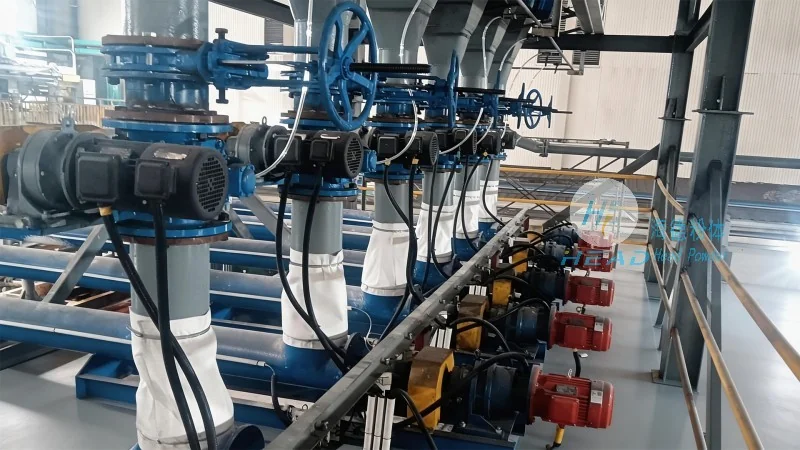
Design Principles for Efficient Operation
The design of a PVC powder material handling system is guided by several key principles to ensure optimal performance. One of the fundamental principles is the minimization of material degradation. PVC powder is sensitive to moisture and heat, so the system must be designed to keep the material in a dry and cool state. This involves using materials that are resistant to corrosion and heat, such as stainless steel or special coatings, for the hopper and conveyor components. Another critical principle is the prevention of material buildup and blockages. Proper hopper design, including the use of vibrators or air knives, helps to break up any agglomerates and maintain a consistent flow. The system also needs to consider the material's flow characteristics, such as its angle of repose and bulk density, to ensure the conveyor can handle the load without excessive pressure or wear. Furthermore, the design must prioritize safety and compliance. This includes incorporating dust extraction systems to protect workers from inhalation hazards and adhering to local regulations regarding material handling and environmental protection.
Engineering Considerations for Customization
Given the diverse applications of PVC powder in various industries, such as construction, automotive, and manufacturing, the PVC powder material handling system is often customized to meet specific operational requirements. Engineers from companies like Shandong HeadPowder Engineering Co., Ltd. work closely with clients to understand their unique needs, including the volume of material to be handled, the distance between storage and processing, and the desired flow rate. The customization process involves selecting the appropriate conveyor type, determining the hopper size and design, and integrating the necessary control and safety features. For example, in high-volume production facilities, a large-capacity screw conveyor might be used, while in smaller-scale operations, a pneumatic conveyor could be more suitable. The engineering team also considers the space constraints and existing infrastructure to ensure the system can be installed and integrated seamlessly. This customization ensures that the system not only meets the functional requirements but also maximizes efficiency and minimizes operational costs.
Conclusion
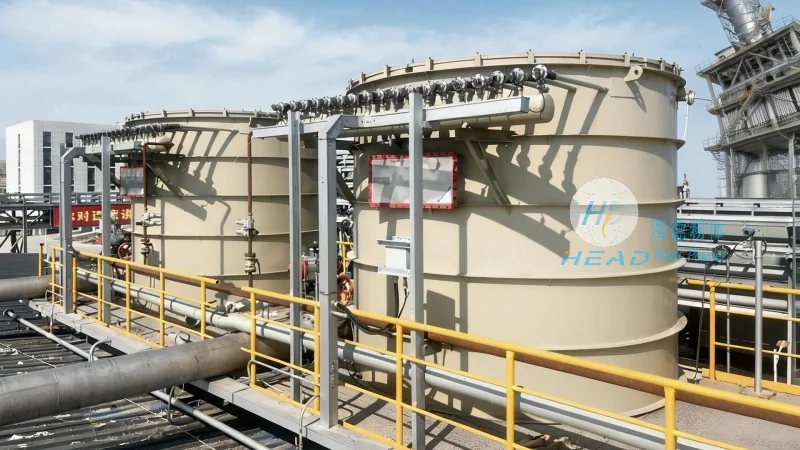
In summary, a PVC powder material handling system is a sophisticated engineering solution designed to safely and efficiently transport PVC powder in industrial settings. The system's design is based on principles that prioritize material integrity, operational efficiency, and safety. By incorporating specialized components like hoppers, conveyors, and dust collection systems, along with careful engineering considerations, these systems enable manufacturers to handle PVC powder with precision and reliability. Companies like Shandong HeadPowder Engineering Co., Ltd. specialize in designing and implementing such systems, providing tailored solutions that meet the specific needs of their clients and contribute to the smooth operation of their production processes.