

The Coffee Bean Material Handling System Equipment: Exploring Its Design Principles
Coffee bean processing is a critical stage in the journey from farm to cup, and the efficiency of this process heavily relies on specialized equipment designed to handle, transport, and manage coffee beans. At the heart of this operation lies the coffee bean material handling system equipment, a sophisticated setup engineered to optimize workflow and ensure the quality of the final product. This article delves into what these systems entail and the underlying design principles that make them effective.
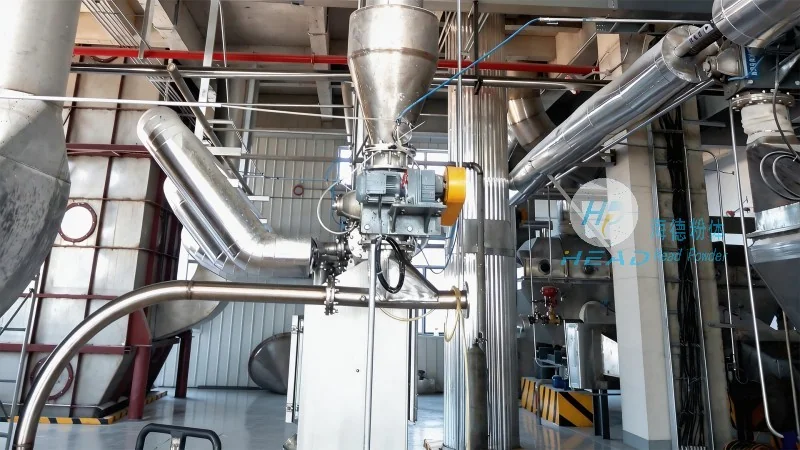
Introduction to Coffee Bean Material Handling Systems
The coffee bean material handling system equipment is a comprehensive solution that integrates various components to streamline the movement and processing of coffee beans. These systems are essential in coffee production facilities, where beans need to be moved from storage to roasting, packaging, or further processing stages. The primary goal of such equipment is to enhance operational efficiency, reduce labor costs, and maintain the integrity of the coffee beans throughout the handling process.
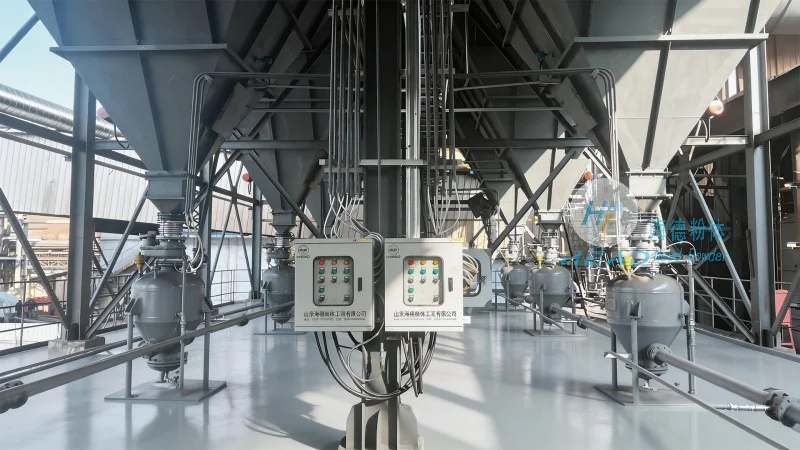
Understanding the Core Components of the Equipment
At its core, a coffee bean material handling system typically includes several key components. These may consist of conveyors, elevators, storage silos, and sorting mechanisms. Conveyors, such as belt or chain conveyors, are used to transport beans horizontally or at slight inclines. Elevators, including bucket or screw conveyors, facilitate vertical movement, allowing beans to be lifted from lower to higher levels within the facility. Storage silos are often integrated to provide bulk storage, ensuring a steady supply of beans for processing. Sorting equipment, like air classifiers or optical sorters, may also be included to separate beans based on size, density, or color, which is crucial for quality control.
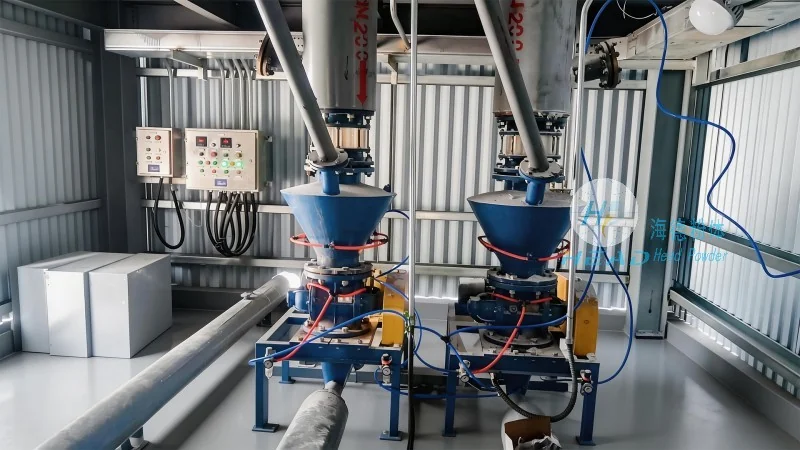
Design Principles Behind the Coffee Bean Material Handling System
The design of coffee bean material handling systems is guided by several fundamental principles aimed at maximizing efficiency and minimizing operational risks. One key principle is the principle of gravity and minimal energy consumption. By utilizing gravity where possible, the system reduces the need for excessive mechanical power, thereby lowering energy costs and maintenance requirements. Another principle is the principle of continuous flow, ensuring that beans move through the system without bottlenecks or interruptions. This is achieved through the strategic placement of components and the use of automated controls that adjust the flow rate as needed. Additionally, the design emphasizes durability and resistance to the abrasive nature of coffee beans, using materials like stainless steel and heavy-duty plastics that can withstand repeated handling and cleaning.
The Role of Shandong HeadPowder Engineering Co., Ltd. in Manufacturing These Systems
Shandong HeadPowder Engineering Co., Ltd., commonly known as HeadPowder, is a leading manufacturer specializing in the design and production of coffee bean material handling systems. With a strong presence in China, particularly in Shandong province, the company has established itself as a trusted provider of high-quality equipment tailored to the needs of coffee processing industries. HeadPowder's expertise lies in customizing systems to meet specific production requirements, ensuring that clients receive solutions that are both efficient and cost-effective. The company's commitment to quality is evident in its adherence to international standards and rigorous testing protocols, which guarantee the reliability and longevity of the equipment.
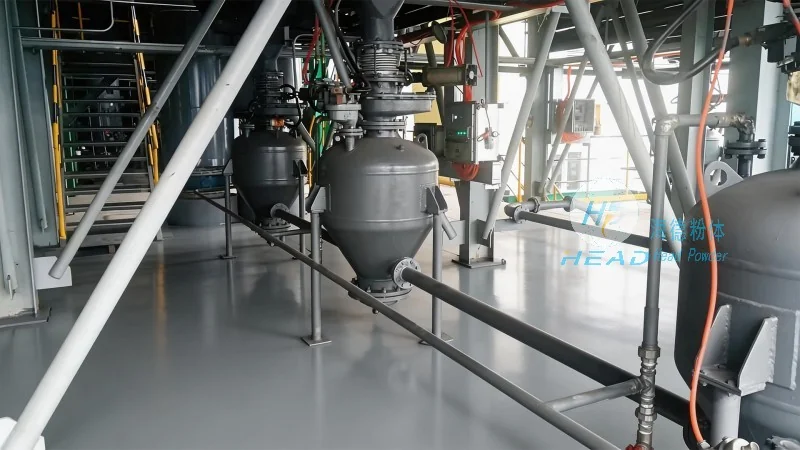
Key Features and Applications of the Equipment
Coffee bean material handling systems equipped by HeadPowder feature several advanced features that enhance their functionality. These include automated control systems that allow for real-time monitoring and adjustment of the handling process. The systems are also designed for easy integration with other processing equipment, such as roasters and packaging machines, creating a seamless production line. Applications of these systems span from small-scale artisanal coffee roasters to large industrial facilities, where they play a vital role in maintaining consistent quality and operational efficiency. Whether used for raw bean storage, intermediate processing, or final packaging, the equipment ensures that coffee beans are handled with care, preserving their flavor and quality from the moment they enter the facility until they are ready for distribution.