

Design Considerations for Inorganic Salt Pneumatic Conveying Systems
When designing a pneumatic conveying system for inorganic salts, several critical factors must be carefully evaluated to ensure efficient, reliable, and cost-effective operation. The process involves understanding the physical properties of the material, the system's operational requirements, and the environmental constraints under which the system will operate. This article outlines key design considerations that are essential for successful implementation of such systems.
Material Characterization and Handling Requirements
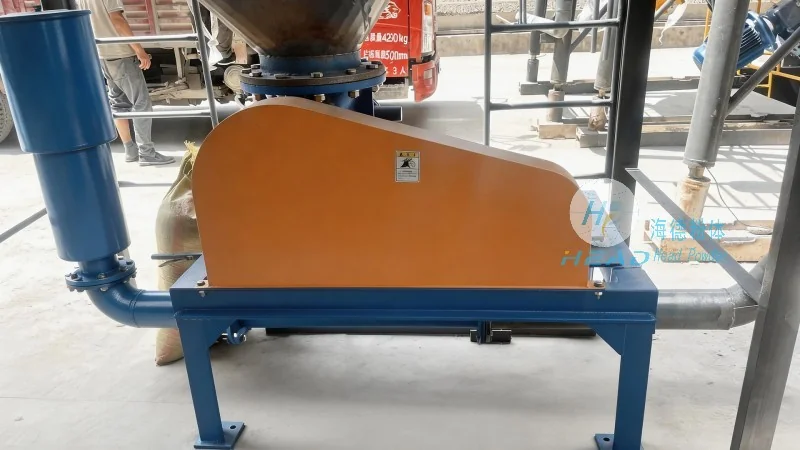
One of the first steps in designing a pneumatic conveying system for inorganic salts is to thoroughly characterize the material being handled. Inorganic salts, such as sodium chloride, potassium chloride, or various calcium salts, often exhibit specific properties that influence system design. These properties include particle size distribution, bulk density, moisture content, and flowability. Accurate measurement of these parameters is crucial as they directly impact the selection of the conveying method (e.g., dilute phase or dense phase), the required air velocity, and the system's overall pressure drop. For example, fine powders may require higher air velocities to prevent clogging, while larger particles might necessitate lower velocities to maintain system efficiency. Understanding the material's behavior under different conditions, including its tendency to agglomerate or segregate, is also vital. This information guides the selection of appropriate equipment like feeders, cyclones, and filters to ensure consistent material flow and prevent system blockages.
System Configuration and Conveying Methods
The choice of system configuration and conveying method is a pivotal decision in the design process. Two primary methods are commonly used: dilute phase and dense phase pneumatic conveying. Dilute phase systems operate at relatively low solids concentrations (typically 1-10% by volume) and rely on high air velocities to transport material through the pipeline. This method is suitable for materials with good flow characteristics and low dust generation. Dense phase systems, on the other hand, operate at higher solids concentrations (up to 30% by volume) and use lower air velocities, often with a piston or plunger to push the material through the line. This method is ideal for handling cohesive or abrasive materials that are prone to clogging in dilute phase systems. The selection between these methods depends on the material's properties, the distance to be conveyed, and the required throughput. Additionally, the system's layout, including the number of transfer points, vertical and horizontal runs, and the presence of bends or expansions, must be optimized to minimize pressure losses and ensure smooth material transport. Proper sizing of the pipeline diameter and the air supply system is critical to maintain the desired air velocity and pressure, preventing excessive energy consumption or system failure.
Equipment Selection and Integration
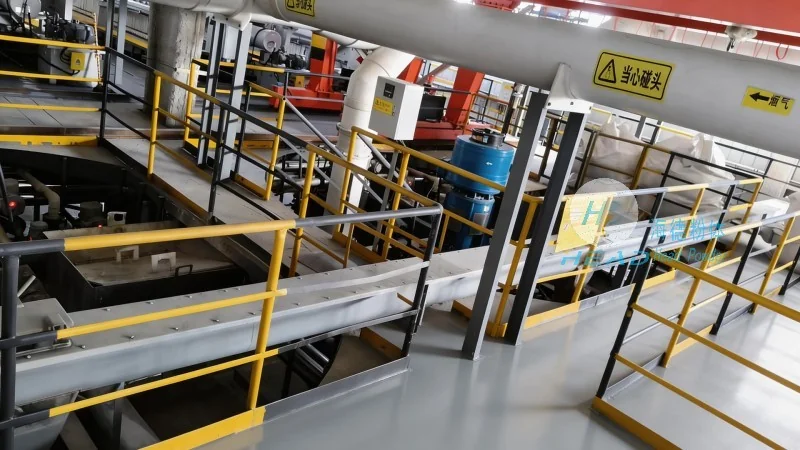
Key equipment components in a pneumatic conveying system for inorganic salts include the feed system, air supply unit, conveying line, and separation equipment. The feed system, such as a rotary valve or a screw feeder, must be capable of delivering the material at a consistent rate without causing blockages or uneven flow. It should be designed to handle the material's specific characteristics, such as its bulk density and flowability. The air supply unit, typically a blower or a compressor, must provide sufficient air volume and pressure to meet the system's requirements. The blower type (centrifugal or positive displacement) and its capacity are critical factors that affect system performance and energy efficiency. The conveying line, made of materials resistant to corrosion and abrasion (e.g., stainless steel or special alloys), must be properly supported and insulated to prevent pressure losses and maintain material integrity. Cyclones and filters are essential for separating the conveyed material from the air stream, ensuring that the material is delivered to the destination without contamination and that the air is cleaned before being discharged. The integration of these components must be seamless, with proper alignment and sealing to prevent leaks and maintain system efficiency. Regular maintenance and monitoring of equipment performance are also necessary to ensure long-term reliability.
Control and Monitoring Systems
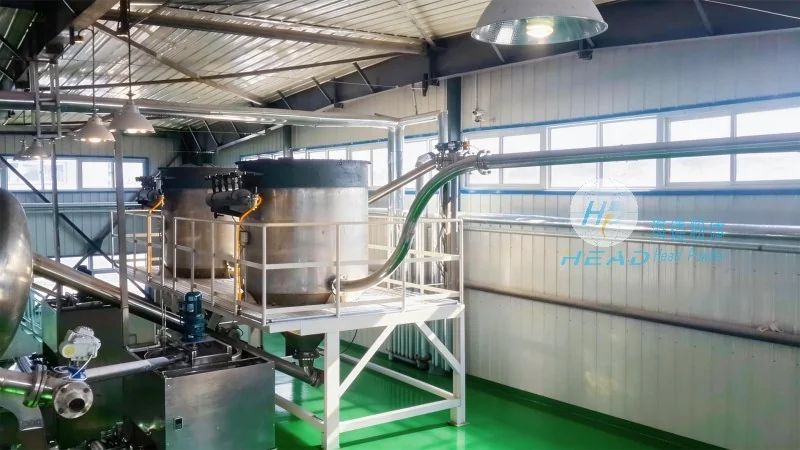
Effective control and monitoring systems are essential for the safe and efficient operation of a pneumatic conveying system. These systems help in maintaining consistent material flow, monitoring pressure and air flow rates, and detecting potential issues before they lead to system failures. Modern systems often incorporate sensors and automation controls to adjust the feed rate, air pressure, and other parameters in real-time based on system conditions. This dynamic control helps in optimizing energy consumption and preventing overloading or underloading of the system. The monitoring system should provide alerts for abnormal conditions, such as high pressure drops, low air flow, or material buildup, allowing for timely intervention. Additionally, data logging and analysis of system performance can help in identifying areas for improvement and optimizing the system's operation over time. Proper training of operators on the control systems and emergency procedures is also crucial for ensuring the system's safe and reliable operation.
Environmental and Safety Considerations
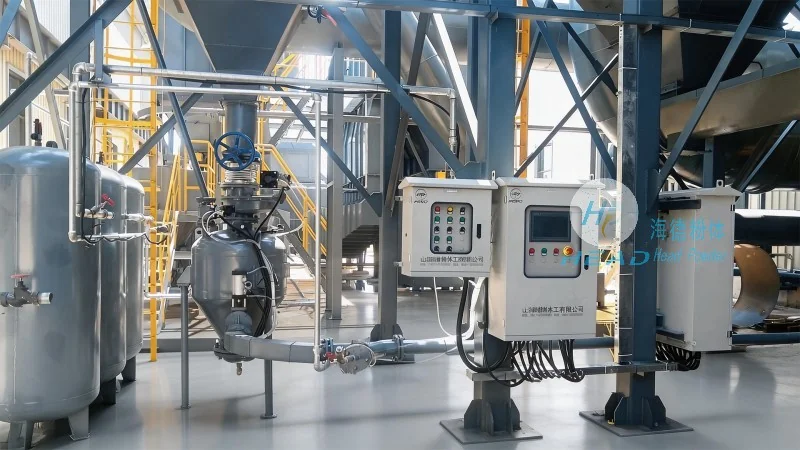
Designing a pneumatic conveying system for inorganic salts must also consider environmental and safety aspects. Inorganic salts can be abrasive and may generate dust, which poses health and safety risks. Therefore, the system must include dust collection and filtration equipment to minimize dust emissions and protect the environment and personnel. The materials used in the system, such as the pipeline and equipment, should be resistant to corrosion and wear caused by the salts. Proper ventilation and safety measures, such as explosion-proof designs for the air supply unit, are necessary to prevent accidents and ensure compliance with safety regulations. The system's design should also account for noise levels and take steps to minimize noise pollution, such as using soundproof enclosures for the blower or compressor. Additionally, the system should be designed to handle any potential spills or leaks, with appropriate containment and cleanup procedures in place. Compliance with local environmental and safety regulations is essential to avoid legal issues and ensure the long-term sustainability of the operation.
Case Study: Successful Implementation by Shandong HeadPowder Engineering Co., Ltd.
Shandong HeadPowder Engineering Co., Ltd., a leading provider of pneumatic conveying solutions, has successfully designed and implemented several inorganic salt pneumatic conveying systems. One notable project involved the transportation of sodium chloride from a storage silo to a processing plant over a distance of 500 meters. The system was designed as a dilute phase system with a centrifugal blower, a rotary valve feeder, and a cyclone separator. The design process included thorough material characterization, which revealed that the sodium chloride had a fine particle size distribution and moderate flowability. The system was optimized to operate at an air velocity of 20 m/s, with a solids concentration of 5% by volume. The result was a reliable and efficient system that met the client's throughput requirements while minimizing energy consumption. The project demonstrated the importance of careful design considerations, including material properties, system configuration, and equipment selection, in achieving successful pneumatic conveying operations. Shandong HeadPowder Engineering Co., Ltd. continues to provide customized solutions for various inorganic salt applications, leveraging its expertise in system design and engineering to deliver high-quality, reliable systems.