When designing a petroleum coke pneumatic conveying system, several critical factors must be considered to ensure efficient, reliable, and cost-effective operation. The system's performance is directly influenced by the selection of components, material handling characteristics, and environmental conditions. This article outlines key design considerations that professionals in the industry should address when developing such systems.
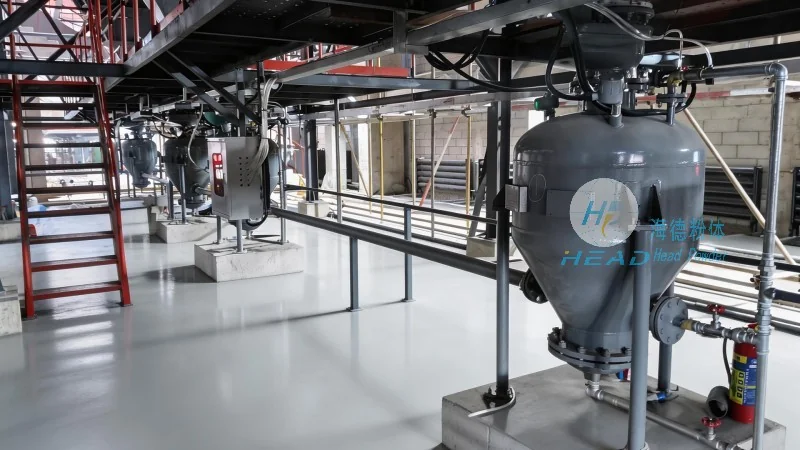
System Sizing and Material Characteristics
The first step in designing a petroleum coke pneumatic conveying system is to accurately assess the material's physical properties and flow characteristics. Petroleum coke, a byproduct of the coking process, typically exhibits high bulk density and can be abrasive. These properties affect the air velocity required for proper transport and the wear on system components. Engineers must conduct thorough material testing to determine the coke's particle size distribution, moisture content, and specific gravity. This data is essential for calculating the necessary air volume and pressure to achieve the desired conveying rate without excessive energy consumption or equipment damage.
Pipeline Design and Layout
Proper pipeline design is crucial for minimizing pressure losses and ensuring consistent flow. The layout should be optimized to reduce bends, changes in direction, and vertical lifts, as these elements increase friction and energy demand. For horizontal runs, the pipeline diameter is selected based on the required air velocity and material flow rate. Vertical lifts require higher air velocities to counteract gravity and maintain particle suspension. Additionally, the use of smooth, corrosion-resistant materials for the pipeline, such as stainless steel or high-grade plastic, is vital to prevent coke buildup and maintain system efficiency over time. The design should also account for potential blockages and include provisions for cleaning and maintenance, such as access points and purge lines.
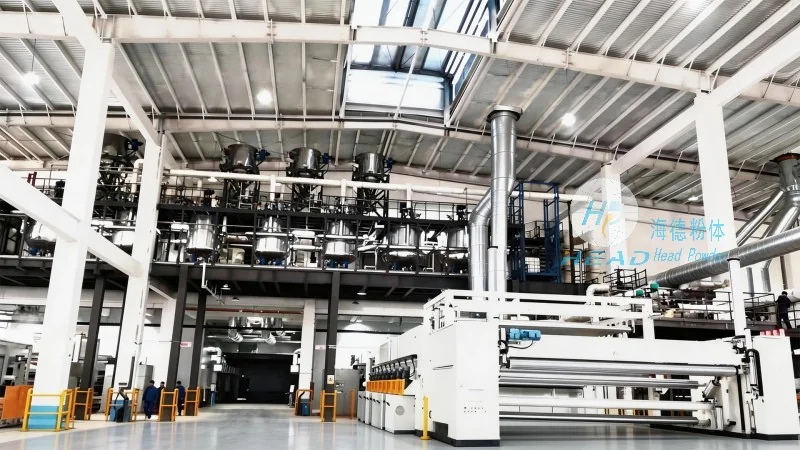
Air Supply and Pressure Control
The air supply system, including blowers and compressors, must be capable of delivering the required pressure and volume to maintain stable conveying. Centrifugal or positive displacement blowers are commonly used, with the choice depending on the system's capacity and pressure needs. The pressure control system is critical to regulate air flow and prevent overpressurization, which can lead to system failures or material spillage. Variable frequency drives (VFDs) are often employed to adjust blower speed and match the system's demand, improving energy efficiency. Proper filtration of the air is also essential to prevent coke particles from entering the blower, which can cause wear and reduce performance.
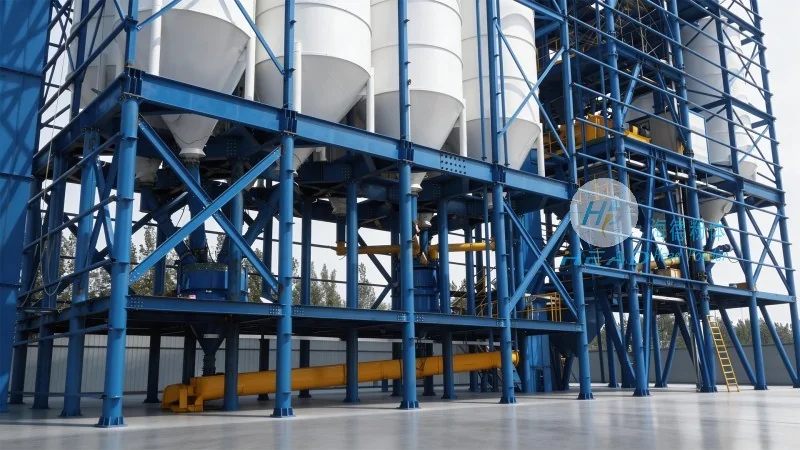
Equipment Selection and Integration
Key equipment such as feeders, separators, and receivers must be selected to match the material's characteristics and system requirements. Feeders, like rotary valves or screw conveyors, are used to introduce petroleum coke into the pipeline at a controlled rate. These devices must be capable of handling abrasive materials without excessive wear. Separators, including cyclones or bag filters, are installed to remove coke particles from the air stream, protecting downstream equipment and ensuring compliance with environmental regulations. Receivers, typically large storage silos or hoppers, are designed to collect the conveyed coke and provide a buffer for downstream processes. The integration of these components must be seamless to avoid pressure drops and maintain system stability.
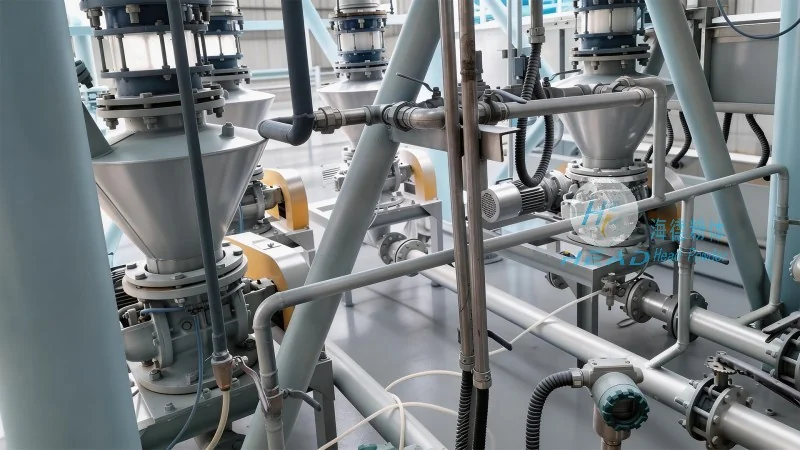
Maintenance and Operational Considerations
Regular maintenance is essential to ensure the long-term reliability of the pneumatic conveying system. This includes monitoring pressure and flow rates, inspecting for wear on components, and cleaning the pipeline and filters. The system should be designed with easy access to maintenance points, such as valves and access panels, to facilitate routine checks and repairs. Operational protocols, such as start-up and shutdown procedures, should be established to prevent damage to equipment and ensure safe operation. Training operators on the system's functions and potential issues is also critical to maintaining optimal performance.
By addressing these design considerations, engineers can develop a petroleum coke pneumatic conveying system that meets the specific needs of the application, ensuring efficient material transport while minimizing operational costs and downtime. The expertise of companies like Shandong HeadPowder Engineering Co., Ltd., with their focus on engineering solutions tailored to industrial requirements, plays a vital role in achieving successful system implementation.




