

PVC Pneumatic Conveying Technology: Principles, Applications, and Development Trends
Shandong HeadPowder Engineering Co., Ltd. specializes in advanced material handling solutions, with a focus on PVC pneumatic conveying systems. This article explores the fundamental principles, diverse applications, and emerging trends in PVC pneumatic conveying technology, providing a comprehensive overview for industry professionals.
Principles of PVC Pneumatic Conveying Technology
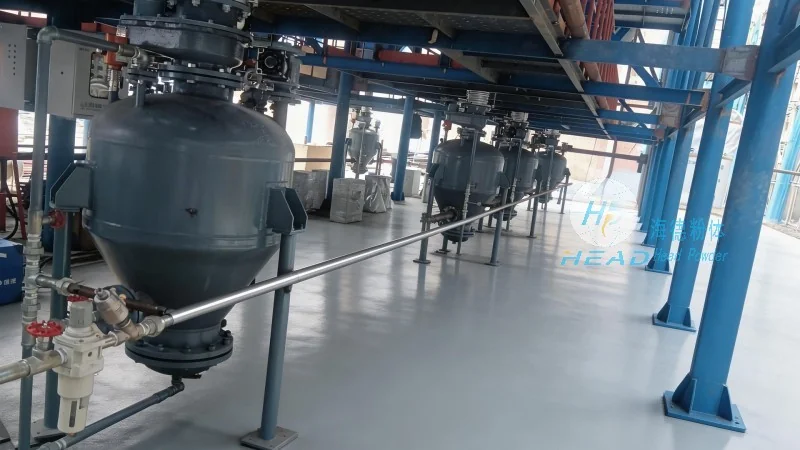
PVC pneumatic conveying technology utilizes air or gas to transport particulate materials like PVC pellets or powders through a pipeline system. The core principle involves creating a pressure differential between the conveying line and the ambient environment. In positive pressure systems, compressed air is introduced into the material hopper, lifting and propelling the PVC particles through the pipeline. Conversely, negative pressure (or vacuum) systems draw material from the source into the pipeline using suction. The choice between positive and negative pressure depends on factors such as material properties, system layout, and operational requirements. Key components include the hopper, airlock, conveying line, and receiver, all working in tandem to ensure efficient and reliable material transport.
Applications in Various Industries
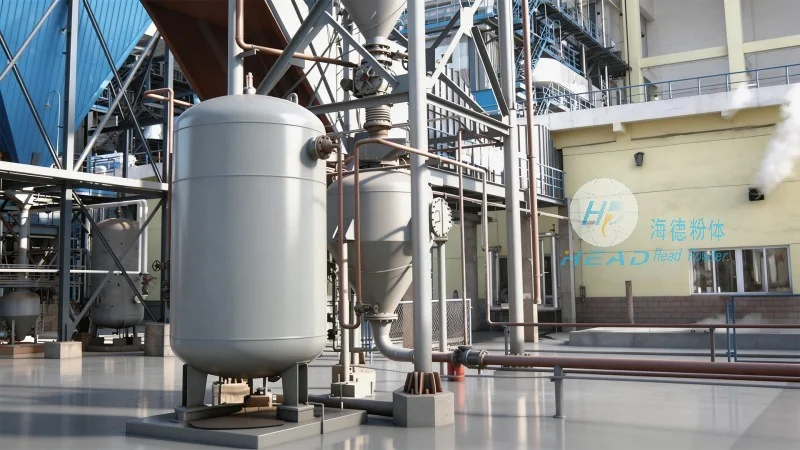
PVC pneumatic conveying systems are widely adopted across multiple sectors due to their flexibility and efficiency. In the chemical industry, they are used for transporting PVC resin and additives, enabling seamless integration into production lines. The food and beverage sector leverages these systems for handling PVC-based packaging materials, ensuring hygienic and dust-free operations. Pharmaceutical applications also benefit from the technology, as it allows for the safe and sterile transport of PVC components in manufacturing processes. Additionally, the construction industry utilizes PVC pneumatic conveyors for transporting PVC granules used in profile extrusion, enhancing production throughput and reducing labor costs. The versatility of PVC pneumatic conveying makes it suitable for a range of applications where traditional bulk handling methods may be impractical.
Development Trends and Innovations
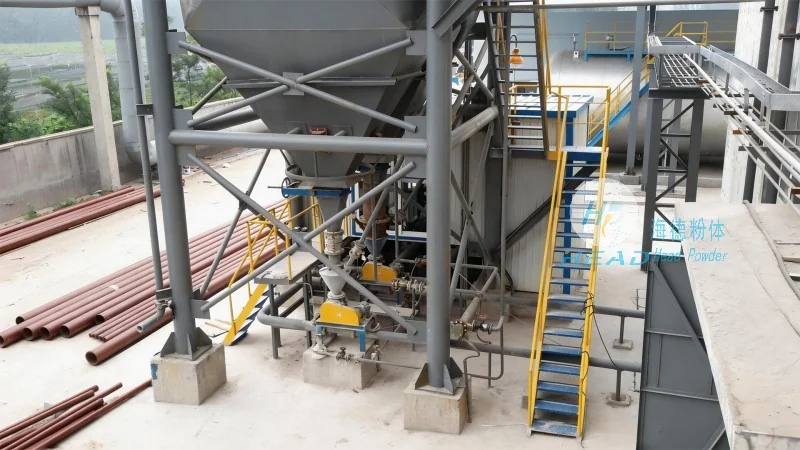
The field of PVC pneumatic conveying technology is continuously evolving, driven by advancements in automation, energy efficiency, and material handling capabilities. One significant trend is the integration of smart sensors and monitoring systems, which provide real-time data on system performance, pressure, and flow rates. This enables proactive maintenance and optimization of the conveying process. Another key development is the adoption of energy-efficient compressors and vacuum pumps, reducing operational costs and environmental impact. Advanced materials, such as high-strength polymers and corrosion-resistant coatings, are being used to enhance the durability and longevity of conveying components, particularly in harsh industrial environments. Furthermore, the trend toward modular and customizable systems allows manufacturers to tailor solutions to specific client needs, improving adaptability and reducing installation time. As sustainability becomes a priority in industrial operations, the focus on low-energy consumption and reduced emissions in PVC pneumatic conveying systems is expected to grow, driving further innovation in the sector.