HeadPowder, a leading manufacturer based in Shandong, China, specializes in the design, production, and installation of pneumatic conveying systems tailored for mineral sand applications. This article provides an overview of the structural components and operational principles of such systems, highlighting their efficiency and reliability in material handling processes.
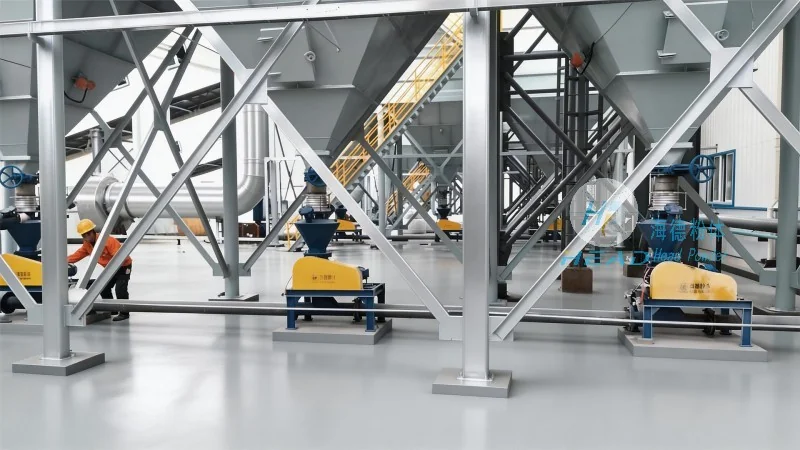
Key Components of Mineral Sand Pneumatic Conveying Systems
The core structure of a pneumatic conveying system for mineral sand typically consists of several essential components that work in tandem to transport materials. The primary elements include a material feed hopper, a conveyor pipeline, a blower or air compressor, a control valve system, and a discharge outlet. Each component plays a critical role in ensuring smooth and efficient material transport.
The material feed hopper is designed to store and feed the mineral sand into the system. It often features a hopper with a sloped bottom and a feed valve that regulates the flow rate of the material. This ensures a consistent supply of sand to the conveyor pipeline, preventing blockages and maintaining steady operation. The hopper is usually constructed from durable materials like stainless steel or carbon steel, which are resistant to corrosion and wear from the abrasive mineral sand.
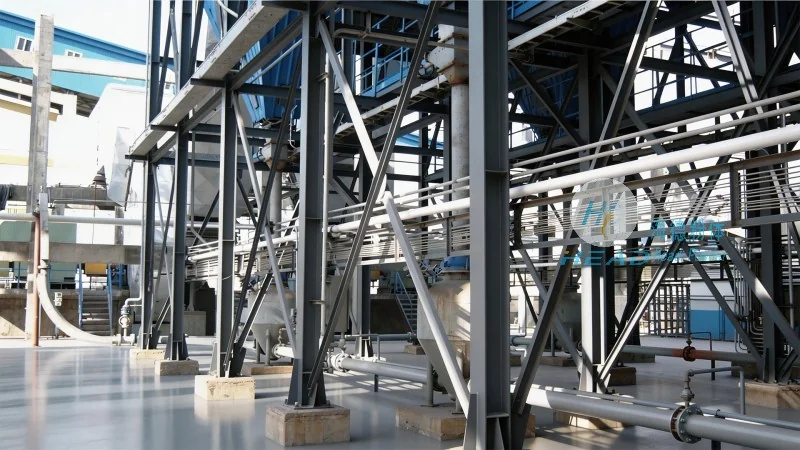
The conveyor pipeline is the main channel through which the mineral sand is transported. It is typically made of flexible or rigid tubing, depending on the system design and the distance to be covered. Flexible pipelines are often used for short-distance or curved routes, while rigid pipelines are preferred for longer distances or straight-line transport. The pipeline is equipped with appropriate fittings, such as elbows, tees, and reducers, to direct the material flow and accommodate changes in direction or size.
The blower or air compressor is the power source that generates the airflow necessary to move the mineral sand through the pipeline. It can be a positive displacement blower or a centrifugal fan, depending on the system requirements. The blower provides a consistent and controlled airflow, ensuring that the material is carried by the air stream without excessive pressure or velocity that could cause wear or damage to the system components. The air compressor may also include a filter and moisture separator to maintain air quality and prevent contamination of the mineral sand.
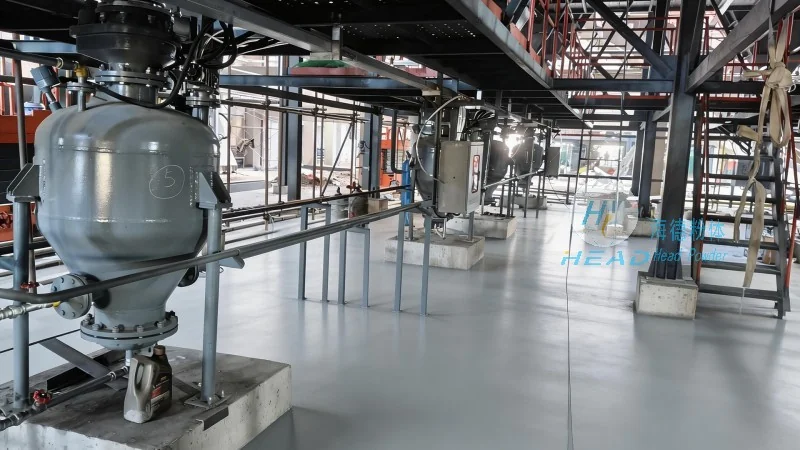
The control valve system is responsible for regulating the airflow and material flow within the system. It includes components like air dampers, material feed valves, and pressure sensors. The control valves allow operators to adjust the flow rate and pressure according to the specific needs of the application. For example, in a system handling fine mineral sand, the control valves can be adjusted to maintain a lower air velocity to prevent dust generation and material degradation. The pressure sensors provide real-time feedback on the system pressure, enabling automatic adjustments to maintain optimal performance.
The discharge outlet is the final component of the system where the mineral sand is released from the pipeline. It is designed to handle the material flow and prevent backflow or spillage. The outlet may include a hopper or a container to collect the discharged sand, and it is often equipped with a valve to control the release rate. The design of the discharge outlet is crucial to ensure that the material is discharged smoothly and without causing blockages or damage to downstream equipment.
Working Principles of Mineral Sand Pneumatic Conveying Systems
The operation of a pneumatic conveying system for mineral sand is based on the principle of transporting material particles in a stream of air. The system uses the kinetic energy of the air to lift and move the sand particles through the pipeline. The process typically involves several stages, starting with the feeding of the material into the hopper and ending with the discharge at the outlet.
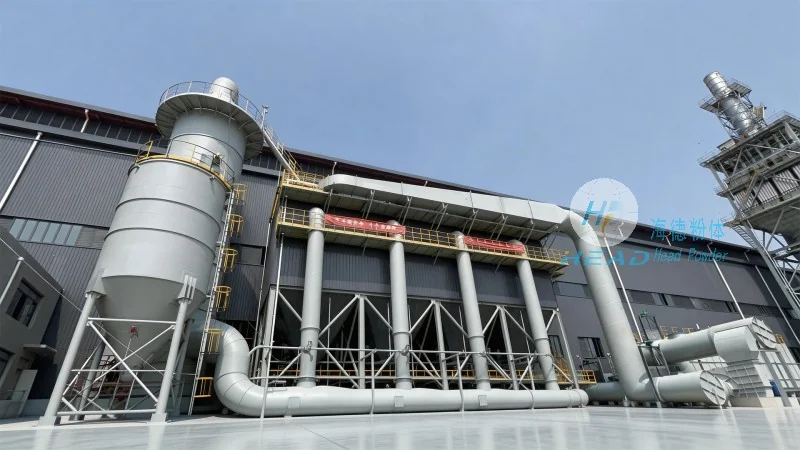
When the system is started, the blower generates a high-velocity airflow that enters the conveyor pipeline. The material feed hopper then releases the mineral sand into the pipeline, where it is entrained by the air stream. The air flow carries the sand particles forward, maintaining a consistent velocity and pressure throughout the pipeline. The material is transported in a dense phase or dilute phase, depending on the system design and the material characteristics. In a dense phase system, the air velocity is lower, and the material is carried in a slurry-like state, which reduces wear on the pipeline and improves material handling efficiency. In a dilute phase system, the air velocity is higher, and the material is carried as individual particles, which is suitable for longer distances or when the material is less abrasive.
As the material travels through the pipeline, it may encounter changes in direction or elevation. The pipeline fittings, such as elbows and tees, are designed to minimize pressure loss and maintain the flow of material. The control valve system adjusts the airflow and material flow to compensate for these changes, ensuring that the material continues to move smoothly without causing blockages or excessive pressure buildup. The pressure sensors monitor the system pressure and provide feedback to the control system, enabling automatic adjustments to maintain optimal performance.
At the discharge outlet, the air and material mixture is separated. The air is typically filtered and recycled back to the blower, while the mineral sand is collected in the discharge hopper or container. The control valve at the outlet regulates the release rate of the sand, ensuring that it is discharged at a controlled rate without causing spillage or overloading downstream equipment. The system may also include a dust collection system to capture any fine particles that may escape from the pipeline, ensuring that the operation is clean and environmentally friendly.
Applications and Benefits of Mineral Sand Pneumatic Conveying Systems
Mineral sand pneumatic conveying systems are widely used in various industries for the efficient handling of mineral sand, including sand and gravel, silica sand, and other fine mineral particles. These systems are particularly suitable for applications where traditional conveyor belts or bucket elevators are not feasible or efficient. For example, in mining operations, the systems are used to transport sand from the mine to processing facilities, while in construction sites, they are used to move sand for concrete production.
The primary benefits of using pneumatic conveying systems for mineral sand include high efficiency, low maintenance, and flexibility. The systems can transport materials over long distances and through complex layouts, making them ideal for large-scale operations. The use of air as the transport medium eliminates the need for mechanical components like belts or chains, reducing the risk of wear and tear and minimizing maintenance requirements. The systems are also highly flexible, as they can be easily adjusted to accommodate changes in material flow rates or pipeline configurations.
Another key benefit is the ability to handle abrasive materials without causing excessive wear on the system components. The mineral sand is carried by the air stream, which reduces the friction between the material and the pipeline walls, thereby extending the lifespan of the system. The systems are also designed to minimize dust generation, which is important for maintaining a clean and safe working environment. The use of filters and dust collection systems helps to capture any fine particles, preventing them from being released into the air and causing health hazards or environmental issues.
The systems are also energy-efficient, as they use less energy compared to traditional conveyor systems. The blower or air compressor provides the necessary airflow, and the control system optimizes the operation to minimize energy consumption. This makes the systems cost-effective and environmentally friendly, as they reduce energy costs and lower the carbon footprint of the operation.




