When dealing with high-calcium materials in industrial applications, selecting the appropriate material handling method is crucial for efficiency, safety, and equipment longevity. Two primary approaches are commonly considered: positive pressure and negative pressure systems. Understanding the differences between these two methods is essential for making an informed decision that aligns with the specific characteristics of high-calcium materials and the operational requirements of a facility.
Understanding High-Calcium Materials and Their Handling Challenges
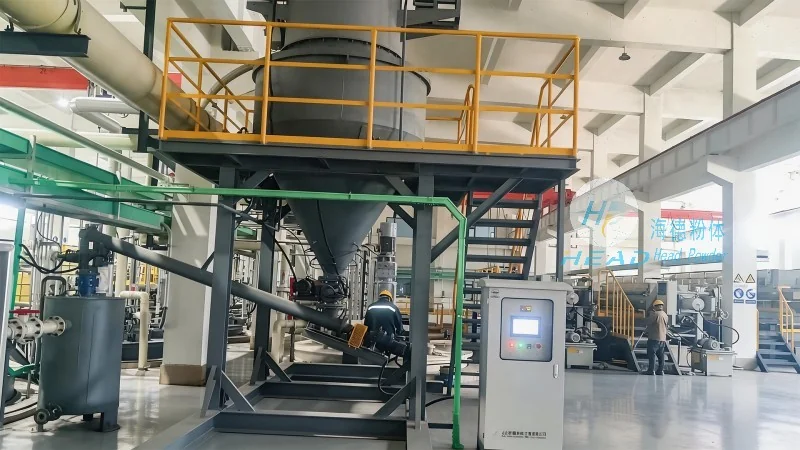
High-calcium materials, such as limestone, calcium carbonate, or other calcium-based compounds, often present unique challenges during transportation and processing. These materials are typically fine-grained, abrasive, and can be prone to caking or bridging in storage and handling equipment. The choice of material handling system must account for these properties to prevent equipment damage, material loss, and operational disruptions.
Positive Pressure Material Handling Systems
Positive pressure systems operate by forcing material through a pipeline using compressed air or gas. This method is particularly effective for high-calcium materials that are prone to caking or bridging, as the continuous flow of air helps maintain material movement and prevents blockages. The positive pressure ensures that material is pushed through the system, reducing the risk of material accumulation and ensuring consistent flow rates. For high-calcium materials, this approach is often preferred when dealing with materials that have a tendency to stick to surfaces or form clumps.
Negative Pressure Material Handling Systems
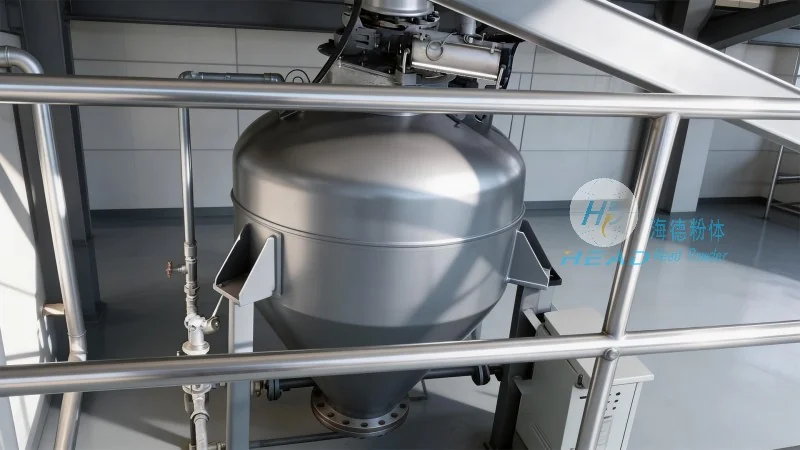
Negative pressure systems, also known as suction or vacuum systems, rely on creating a vacuum to draw material into a pipeline. This method is generally more suitable for materials that are less abrasive or have lower caking tendencies. The vacuum creates a pressure differential that pulls material from a source into the system, often requiring less energy compared to positive pressure systems. However, for high-calcium materials, negative pressure systems may be less effective due to the risk of material degradation or increased wear on equipment components.
Distinguishing Between Positive and Negative Pressure Systems for High-Calcium Materials
The key to selecting the right material handling system lies in evaluating the specific characteristics of the high-calcium material and the operational environment. Several factors should be considered when making this decision:
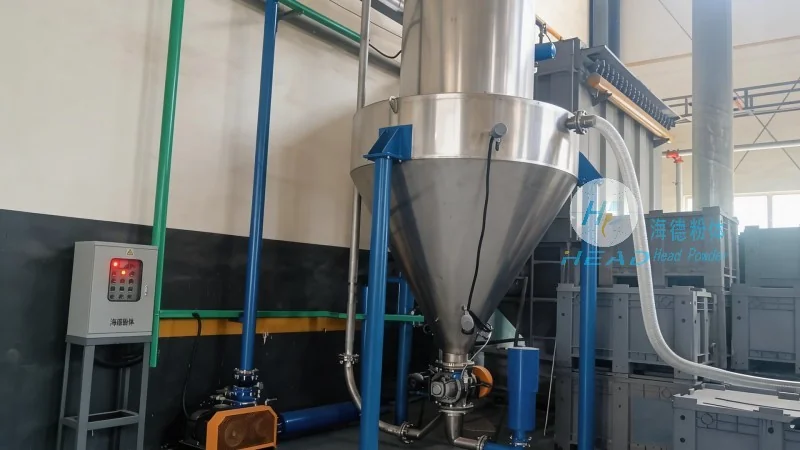
- Material Abrasiveness and Wear Resistance: High-calcium materials can be highly abrasive, leading to increased wear on equipment. Positive pressure systems may cause more wear due to the force of compressed air, while negative pressure systems might reduce wear by using suction rather than direct force.
- Caking and Bridging Tendencies: Materials prone to caking or bridging require systems that maintain consistent flow. Positive pressure systems are generally better at preventing these issues by continuously pushing material through the pipeline.
- System Energy Consumption: Positive pressure systems typically consume more energy due to the need for compressed air, whereas negative pressure systems may be more energy-efficient but require careful maintenance to avoid system failures.
- Equipment Maintenance and Durability: The choice of system affects the maintenance requirements and lifespan of handling equipment. Positive pressure systems may require more frequent maintenance due to higher wear, while negative pressure systems might have lower maintenance needs but higher initial costs.
Case Study: HeadPowder's Expertise in High-Calcium Material Handling
Shandong HeadPowder Engineering Co., Ltd., a leading provider of material handling solutions, specializes in designing and implementing systems tailored to the unique needs of high-calcium materials. With years of experience in the industry, HeadPowder has developed advanced solutions that address the challenges associated with handling these materials effectively and safely. The company's expertise includes customizing positive and negative pressure systems to meet specific operational requirements, ensuring optimal performance and minimal downtime.
Conclusion: Making the Right Choice for High-Calcium Material Handling
Choosing between positive pressure and negative pressure for high-calcium material handling requires a thorough understanding of the material's properties and the operational goals of the facility. By evaluating factors such as abrasiveness, caking tendencies, energy consumption, and maintenance requirements, businesses can select the most suitable system to ensure efficient, safe, and cost-effective material handling. For expert guidance and customized solutions, companies can rely on the experience and expertise of industry leaders like Shandong HeadPowder Engineering Co., Ltd.




