When it comes to transporting paddy grain, choosing the right conveying system is crucial for efficiency, cost-effectiveness, and grain quality preservation. Two primary methods are widely used: positive pressure conveying and negative pressure conveying. Understanding the differences between these systems is essential for selecting the most suitable option for your specific needs. This article will explore the characteristics, applications, and key factors to consider when deciding between positive pressure and negative pressure for paddy grain handling.
Understanding Positive Pressure Conveying
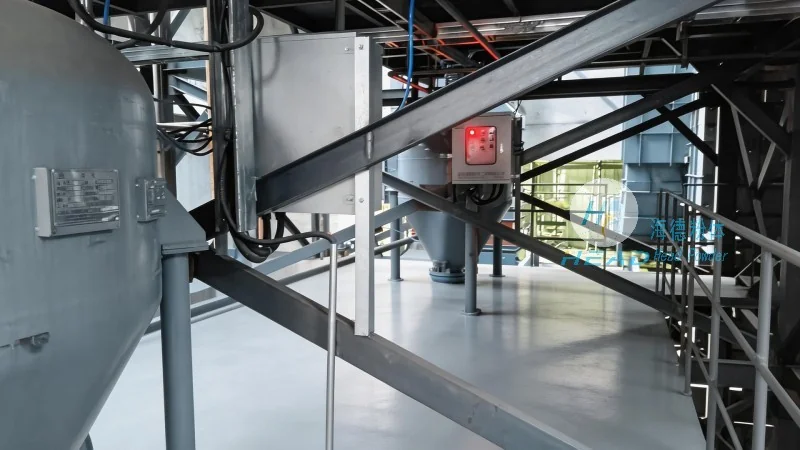
Positive pressure conveying systems operate by blowing air or gas into the conveying line, creating a pressure higher than the ambient air pressure. This method propels the grain forward through the pipeline. In the context of paddy grain, positive pressure systems are often used in scenarios where the grain needs to be moved over longer distances or through complex layouts, such as in large-scale rice processing facilities or storage facilities. The primary advantage of positive pressure is its ability to handle high volumes of grain efficiently and maintain consistent flow rates. Additionally, these systems are generally more robust and can handle abrasive materials like paddy grain without significant wear and tear on components. However, they may require more energy input due to the constant pressure generation, and there is a risk of dust and grain spillage if the system is not properly sealed.
Exploring Negative Pressure Conveying
Negative pressure conveying, also known as suction conveying, works by creating a vacuum or lower pressure within the conveying line compared to the ambient air. This pressure differential draws the grain into the system and moves it along the pipeline. Negative pressure systems are particularly effective for short to medium-distance conveying, especially when the grain needs to be collected from multiple points or transferred from a lower elevation to a higher one. One of the key benefits of negative pressure is its lower energy consumption compared to positive pressure systems, as it relies on the natural flow of air rather than active pressure generation. This can lead to cost savings in energy bills. Furthermore, negative pressure systems are generally quieter and produce less noise, making them suitable for operations in residential or sensitive areas. However, they may have limitations in handling very fine or lightweight particles, as the suction force might not be sufficient to maintain consistent flow. Additionally, the system can be more susceptible to clogging if the grain contains high moisture content or foreign materials.
Key Factors to Consider When Choosing Between Positive and Negative Pressure
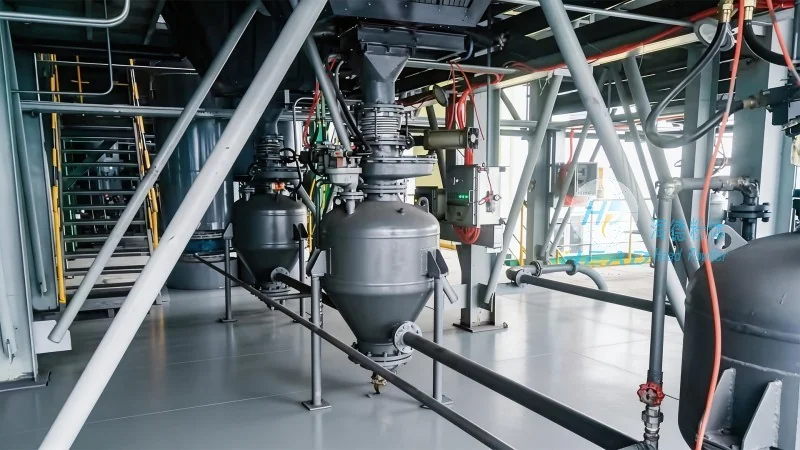
When deciding between positive and negative pressure conveying for paddy grain, several factors must be evaluated to ensure the optimal choice. The first consideration is the distance and layout of the conveying path. For long distances or complex networks, positive pressure systems are often preferred due to their ability to maintain consistent pressure and flow. Conversely, for shorter distances or when collecting grain from multiple sources, negative pressure may be more suitable. The volume of grain to be transported is another critical factor. Positive pressure systems are generally better suited for high-volume applications, as they can handle larger quantities without significant performance degradation. In contrast, negative pressure may be more appropriate for moderate to low volumes, especially in smaller-scale operations. The physical characteristics of the paddy grain itself also play a role. If the grain is abrasive or contains high moisture content, positive pressure systems with robust components may be necessary to prevent wear and ensure longevity. For lighter or more delicate grains, negative pressure might be preferable to avoid damage during transport. The available space and infrastructure at the site are also important. Positive pressure systems typically require more space for the air compressor and may need additional ductwork, while negative pressure systems are often more compact and can be installed in tighter areas. Finally, the budget and energy costs should be considered. While negative pressure systems may have lower initial energy costs, positive pressure systems can offer better long-term performance and reliability, potentially reducing maintenance and replacement costs over time.
Application Examples in Paddy Grain Handling
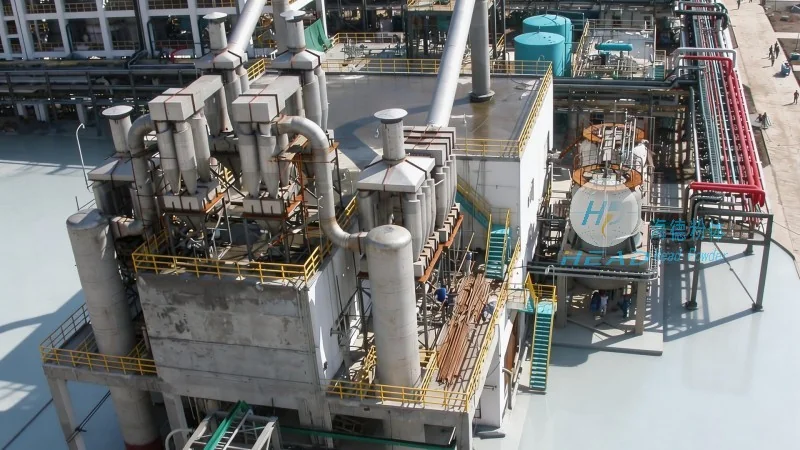
Real-world applications of both positive and negative pressure conveying in paddy grain handling illustrate their practical uses. For instance, in a large rice mill, a positive pressure system might be used to transport paddy grain from storage silos to the milling machinery over a distance of several hundred meters, ensuring a continuous flow of raw material. The system would be equipped with high-capacity blowers and robust pipelines to handle the high volume and abrasive nature of the grain. On the other hand, a negative pressure system could be employed in a small-scale rice processing plant to collect paddy grain from a field or a collection bin and transfer it to a storage hopper. The shorter distance and lower volume make negative pressure an efficient and cost-effective solution. Another example is in the transportation of paddy grain from a warehouse to a processing facility. If the warehouse is at a higher elevation than the processing plant, a negative pressure system can effectively draw the grain down the slope, reducing the need for additional lifting equipment. Conversely, if the grain needs to be moved uphill, a positive pressure system would be more suitable to push the grain upward against gravity.
Conclusion and Recommendations
Choosing between positive pressure and negative pressure conveying for paddy grain depends on a combination of factors, including distance, volume, grain characteristics, and operational constraints. Positive pressure systems excel in long-distance, high-volume applications and offer robust performance, though they may require more energy. Negative pressure systems are ideal for shorter distances, moderate volumes, and applications where energy efficiency and noise reduction are priorities. By carefully evaluating these factors and considering the specific requirements of your paddy grain handling operation, you can select the most appropriate conveying system to enhance efficiency, reduce costs, and ensure the quality of the grain. For further assistance in selecting the right conveying system, you can contact Shandong HeadPowder Engineering Co., Ltd., a leading provider of grain handling solutions based in China, with a strong reputation for quality and reliability in the industry.




