

[Ceramic Conveying: Positive Pressure vs. Negative Pressure - How to Distinguish?]
When it comes to handling ceramic materials in industrial processes, selecting the right conveying method is crucial for efficiency, material integrity, and operational safety. Two primary approaches are widely used: positive pressure conveying and negative pressure conveying. Understanding the differences between these two systems is essential for making an informed decision that aligns with specific production requirements. This article, presented by Shandong HeadPowder Engineering Co., Ltd. (headpowder), will explore the key distinctions between positive and negative pressure conveying systems, helping you determine which option is best suited for your ceramic handling needs.
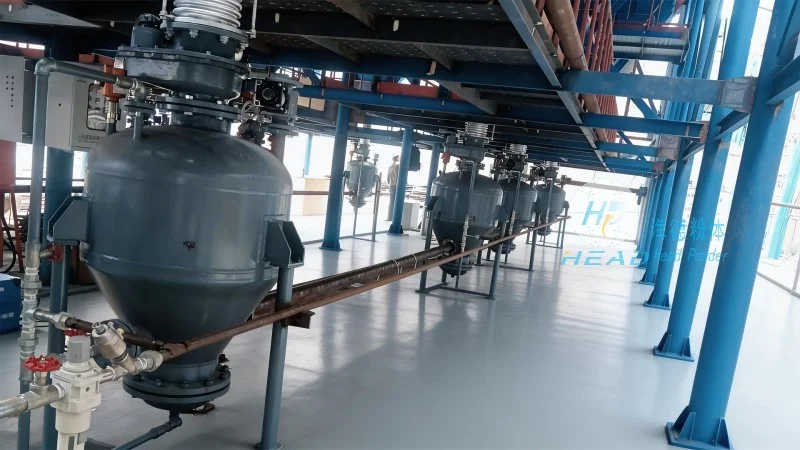
Introduction to Ceramic Conveying Systems
Ceramic materials, such as powders, granules, or fine particles, are commonly used in various industries, including ceramics manufacturing, pharmaceuticals, and food processing. The efficient and safe transport of these materials from one point to another is critical to maintaining product quality and optimizing production workflows. Conveying systems are designed to move these materials through pipelines, often under controlled conditions to prevent contamination or degradation.
Understanding Positive Pressure Conveying
Positive pressure conveying, also known as pressure-assisted or blow-through conveying, operates by forcing material through a system using compressed air or other gases. The system maintains a positive pressure within the pipeline, ensuring that material is continuously pushed forward. This method is particularly effective for handling fine powders and granules that are prone to bridging or clogging in traditional gravity-fed systems. The high-pressure air or gas acts as a carrier, lifting and transporting the material through the pipeline.
Key advantages of positive pressure conveying include its ability to handle abrasive and heavy materials without excessive wear on components. It also allows for precise control over flow rates and pressure, which is beneficial for maintaining consistent material quality. However, this method may require more energy and maintenance due to the continuous operation of air compressors and the potential for increased dust emissions if not properly sealed.
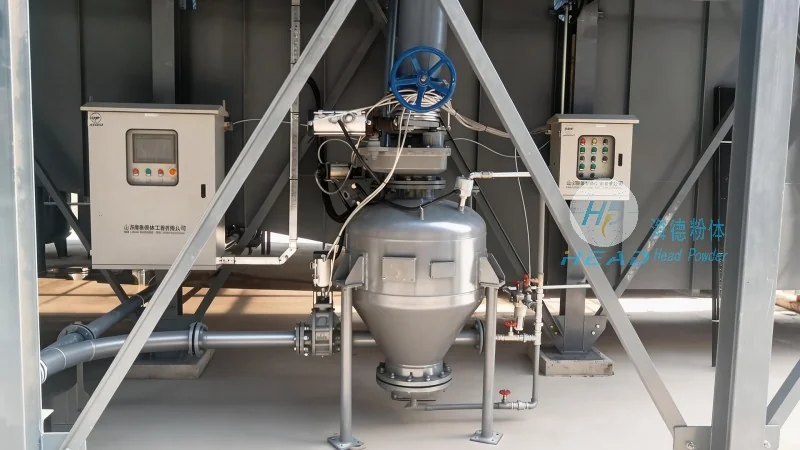
Understanding Negative Pressure Conveying
Negative pressure conveying, or vacuum-assisted conveying, works by creating a vacuum in the pipeline to draw material from a source into the system. The material is pulled through the pipeline by the differential pressure between the source and the receiver. This approach is often preferred for handling lighter, more delicate materials or for applications where dust containment is a priority. Negative pressure systems are typically quieter and generate less noise compared to positive pressure systems, making them suitable for environments where noise levels need to be minimized.
One of the main benefits of negative pressure conveying is its ability to handle materials that are sensitive to high pressures or temperatures. The low-pressure environment reduces the risk of material degradation and ensures that the material remains in its original state. Additionally, these systems are generally more energy-efficient for short-distance conveying, as they do not require powerful air compressors. However, they may be less effective for handling highly abrasive or heavy materials, as the vacuum may not provide sufficient force to move such materials through the pipeline.
Distinguishing Between Positive and Negative Pressure Conveying
The primary difference between positive and negative pressure conveying lies in the direction of air flow and the pressure differential within the system. In positive pressure systems, air is pushed through the pipeline, creating a positive pressure that forces material forward. In contrast, negative pressure systems use a vacuum to pull material into the pipeline. This fundamental difference affects the system's design, energy requirements, and suitability for specific materials.
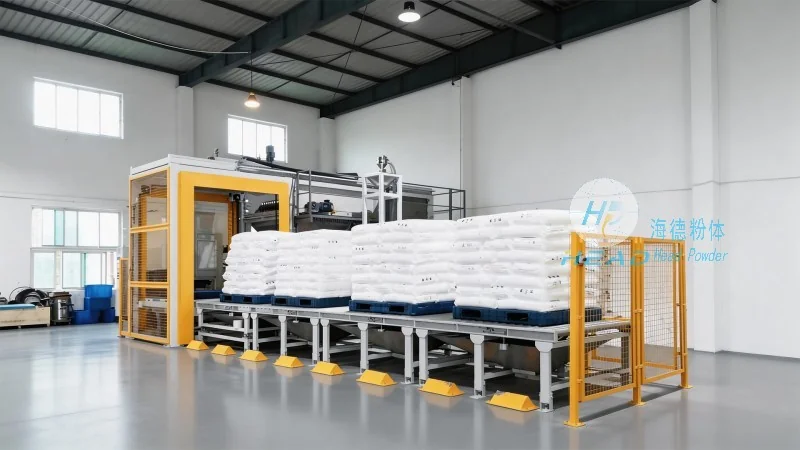
Material properties play a significant role in choosing between the two systems. For example, fine powders with high moisture content or those that are prone to caking are often better suited for positive pressure conveying, as the high pressure helps break up agglomerates and maintain flow. On the other hand, light, dusty materials or those that require strict containment are more suitable for negative pressure systems, as the vacuum helps prevent dust from escaping into the environment.
Factors to Consider When Choosing a Conveying System
When deciding between positive and negative pressure conveying for ceramic materials, several factors should be considered. The first is the nature of the material itself—its particle size, density, and moisture content will influence the choice of system. For instance, heavy, abrasive powders may require the robust design of a positive pressure system, while fine, light powders may benefit from the gentle handling of a negative pressure system.
Another critical factor is the distance and layout of the conveying system. Positive pressure systems are generally more effective for longer distances, as the high pressure can maintain material flow over extended lengths. Negative pressure systems, however, are more suitable for shorter distances, as the vacuum may not be sufficient to move materials over long pipelines without significant pressure loss.
Energy consumption and operational costs are also important considerations. Positive pressure systems typically require more energy due to the continuous operation of air compressors, while negative pressure systems may be more energy-efficient for shorter runs. Maintenance requirements should also be evaluated, as positive pressure systems may have more moving parts and higher wear rates, especially in abrasive applications.
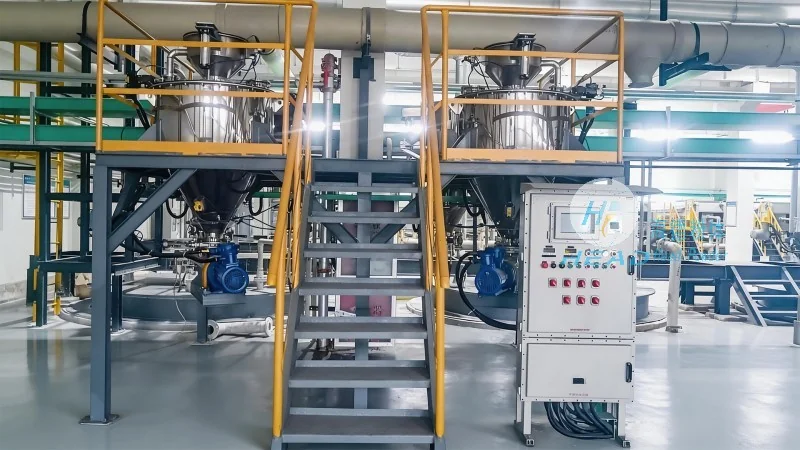
Application Examples in Ceramic Handling
Positive pressure conveying is commonly used in the ceramic industry for applications such as transporting raw materials like clay, feldspar, and quartz from storage silos to processing equipment. It is also effective for conveying finished ceramic products, such as tiles or pottery, from production lines to packaging areas. The high pressure ensures that these materials are moved efficiently without clogging or degradation.
Negative pressure conveying is often employed in applications where dust control is paramount, such as handling fine ceramic powders that are used in pharmaceutical or food applications. It is also suitable for conveying materials that are sensitive to high temperatures or pressures, as the low-pressure environment minimizes the risk of material damage.
Conclusion
Choosing between positive pressure and negative pressure conveying for ceramic materials requires a careful evaluation of material properties, operational requirements, and system constraints. Positive pressure systems offer robustness and efficiency for handling heavy or abrasive materials over longer distances, while negative pressure systems provide gentle handling and effective dust control for lighter or more delicate materials. By understanding the distinctions between these two approaches, manufacturers can select the most appropriate conveying system to optimize their production processes and ensure the quality of their ceramic products.