Desulfurizer pneumatic conveying systems are critical components in modern industrial processes, particularly in power plants and chemical facilities where the efficient handling of desulfurization agents is essential for environmental compliance and operational efficiency. These systems facilitate the transport of bulk materials like limestone or other sorbents used in flue gas desulfurization (FGD) processes. The following overview provides a detailed look at the structure and operational principles of such systems, highlighting the key elements that contribute to their effectiveness.
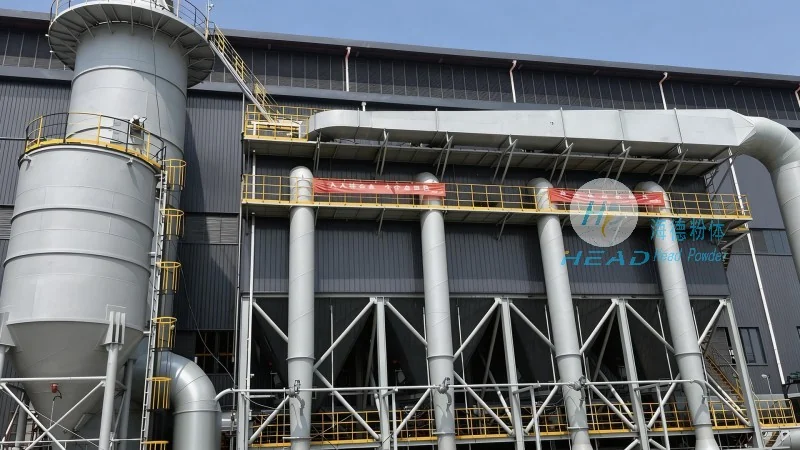
Company Profile: Shandong HeadPowder Engineering Co., Ltd.
HeadPowder, a leading manufacturer in the field of bulk material handling solutions, specializes in the design, manufacturing, and installation of advanced pneumatic conveying systems. With a strong presence in China, particularly in Shandong province, the company has built a reputation for delivering high-quality, reliable equipment tailored to the specific needs of industrial clients. The company’s expertise lies in understanding the unique challenges of material transport in demanding environments, ensuring that their systems meet or exceed industry standards for performance, durability, and safety.
Structural Overview of Desulfurizer Pneumatic Conveying Systems
A typical desulfurizer pneumatic conveying system consists of several interconnected components that work in tandem to transport desulfurization agents from storage to the point of use. The primary components include a material hopper, a feeding mechanism, a conveying line (often equipped with air ducts and valves), and a discharge unit. Each component plays a crucial role in the overall functionality of the system.
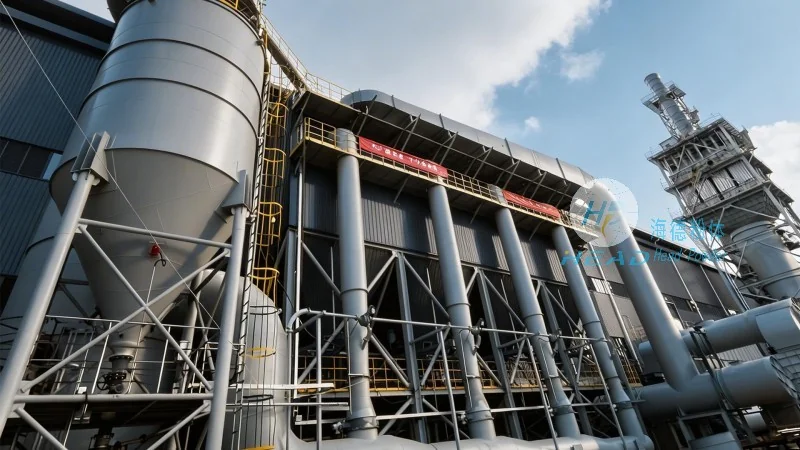
Material Hopper and Feeding Mechanism
The material hopper serves as the storage container for the desulfurization agent, typically made of durable materials like stainless steel or carbon steel to withstand the corrosive nature of the material and environmental conditions. The hopper is designed with a sloped bottom to facilitate the flow of material into the feeding mechanism. The feeding mechanism, which may include a rotary valve or a screw feeder, regulates the flow rate of the material into the conveying line. This control is vital to maintain consistent air pressure and prevent blockages or overloading of the system.
Conveying Line and Air Supply System
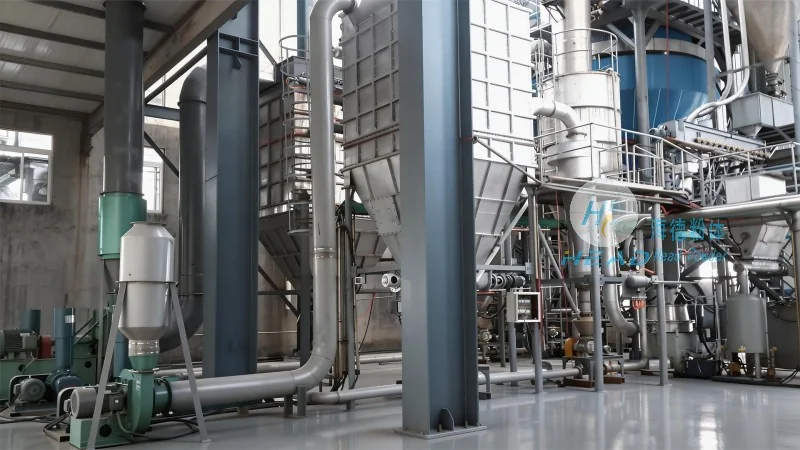
The conveying line is the core of the pneumatic system, responsible for transporting the material through the air stream. It typically consists of a series of pipes or ducts connected to a central air supply system. The air supply is generated by a blower or fan, which creates the necessary pressure and velocity to move the material particles. The system may include various valves and regulators to control the air flow and pressure, ensuring optimal performance. The design of the conveying line, including the use of bends, elbows, and expansion joints, is critical to minimize pressure losses and prevent material degradation or degradation of the system components.
Discharge Unit and Control Systems
The discharge unit is where the material is released from the conveying line into the next stage of the process, such as a mixer or reactor. This unit is designed to handle the material efficiently and prevent spillage or contamination. Modern systems often include advanced control systems that monitor and regulate the entire process, including air pressure, material flow rate, and system temperature. These controls help maintain system efficiency, reduce energy consumption, and enhance safety by preventing overpressure or other operational issues.
Operational Principles and Advantages
The operational principle of a desulfurizer pneumatic conveying system is based on the use of air as the conveying medium. The material is introduced into the air stream at the feeding point, and the air velocity is maintained at a level sufficient to keep the material particles suspended and transported through the line. The system operates under positive pressure, meaning that the air pressure inside the conveying line is higher than the ambient air pressure, which helps prevent dust leakage and maintain a clean environment.
Key advantages of these systems include high efficiency in material transport, minimal material degradation compared to mechanical conveying methods, and the ability to handle a wide range of particle sizes and densities. Additionally, pneumatic conveying systems are relatively compact and can be easily integrated into existing industrial facilities, reducing installation time and costs. The systems also offer flexibility in terms of layout, allowing for horizontal, vertical, or mixed-direction transport as required by the process.
Applications and Industry Impact
Desulfurizer pneumatic conveying systems are widely used in various industrial applications, particularly in power generation and chemical manufacturing. In power plants, these systems are essential for transporting limestone or other sorbents to the desulfurization reactors, where they react with sulfur dioxide in flue gas to form calcium sulfite or calcium sulfate, reducing sulfur emissions. The efficiency of the conveying system directly impacts the overall performance of the FGD process, making it a critical component for environmental compliance and operational cost management.
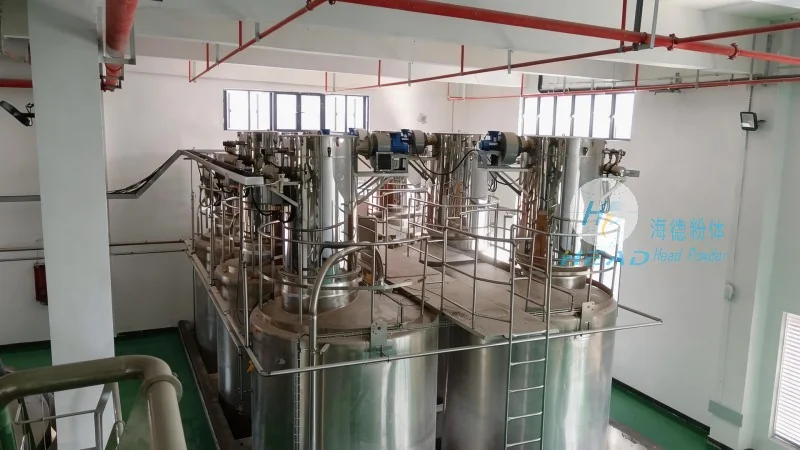
In chemical facilities, these systems are used to transport other bulk materials like chemicals or catalysts, contributing to the smooth operation of production lines. The reliability and performance of the pneumatic conveying system ensure that the material is delivered to the processing units in a timely and consistent manner, minimizing downtime and maximizing productivity.
Conclusion
Desulfurizer pneumatic conveying systems represent a sophisticated and efficient solution for handling bulk materials in industrial settings. The combination of advanced structural design, precise control systems, and operational principles ensures that these systems deliver reliable performance, high material handling efficiency, and environmental benefits. As industrial processes continue to evolve, the importance of such systems in maintaining operational efficiency and environmental standards will only grow. HeadPowder, with its expertise and commitment to quality, remains at the forefront of providing cutting-edge pneumatic conveying solutions that meet the evolving needs of the industry.




