For industrial applications involving the transport of ceramic particles, pneumatic conveying systems offer a reliable and efficient solution. These systems are designed to handle materials such as fine powders, granules, and other particulate materials, including ceramic powders, which are known for their abrasive properties and specific handling requirements. The following overview provides insights into the structural components and operational principles of ceramic particle pneumatic conveying systems, highlighting their design considerations and practical applications.
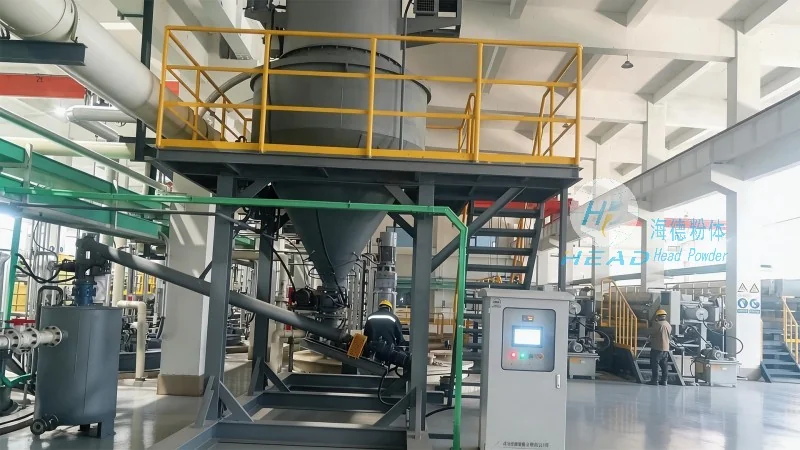
Ceramic Particle Pneumatic Conveying Systems: Core Components and Structural Design
The structure of a ceramic particle pneumatic conveying system is composed of several key components that work in concert to ensure efficient material transport. The primary components include the feeding unit, conveying pipeline, separation unit, and collection unit. Each component is engineered to address specific challenges associated with ceramic particles, such as their tendency to agglomerate, high abrasiveness, and sensitivity to moisture or contamination.
The feeding unit is responsible for introducing ceramic particles into the system. This component typically includes a hopper or feeder that can handle bulk material and control the flow rate. For ceramic powders, which may be prone to bridging or caking, specialized feeding mechanisms like rotary valves or screw feeders are often employed to maintain a consistent and controlled feed. The design of the feeding unit is critical to prevent material buildup and ensure smooth material introduction into the conveying pipeline.
The conveying pipeline is the central part of the system, responsible for transporting ceramic particles through the air. The pipeline is usually made of materials that can withstand the abrasive nature of ceramic particles, such as stainless steel or high-density polyethylene. The pipeline design may include bends, elbows, and expansion joints to accommodate changes in direction and elevation. The choice of pipeline material and design is crucial to minimize wear and ensure the longevity of the system.
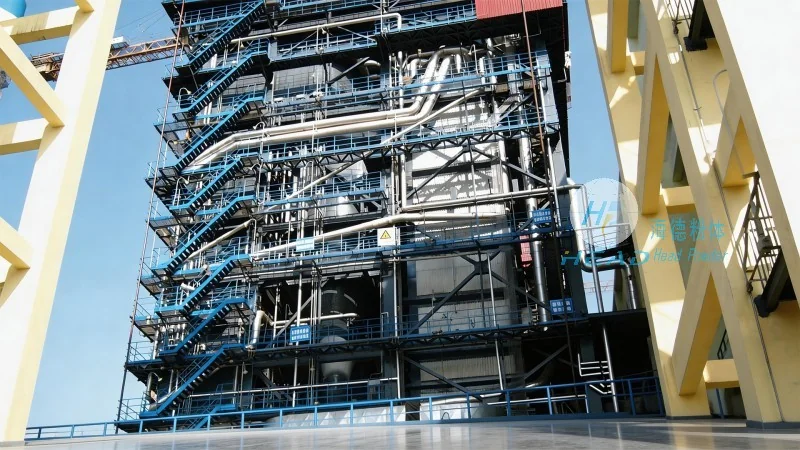
The separation unit is a critical component that separates the ceramic particles from the conveying air at the end of the pipeline. This unit typically consists of a cyclone separator or a bag filter, which uses centrifugal force or filtration to separate the particles from the air stream. For ceramic particles, which may be fine and easily entrained in the air, a high-efficiency separator is essential to prevent dust emissions and ensure compliance with environmental regulations. The separation unit is designed to handle the specific characteristics of ceramic particles, such as their density and particle size distribution.
The collection unit is responsible for storing the separated ceramic particles. This component may include a hopper or a silo, which is designed to accommodate the volume of material being transported. The collection unit is typically equipped with a discharge mechanism, such as a rotary valve or a gate valve, to control the release of the material. The design of the collection unit is important to prevent material spillage and ensure safe handling of the ceramic particles.
Working Principles of Ceramic Particle Pneumatic Conveying Systems
The operational principle of a ceramic particle pneumatic conveying system involves the use of air or gas to transport the particles. The system can operate under either positive pressure (where air is forced through the pipeline) or negative pressure (where air is drawn from the system). The choice of operating mode depends on the specific application and the characteristics of the ceramic particles. For example, positive pressure systems are often used for long-distance or high-capacity transport, while negative pressure systems are suitable for applications where dust control is a priority.
In a positive pressure system, the feeding unit introduces ceramic particles into the pipeline, and a blower or compressor provides the necessary air pressure to move the particles. The air and particles are then transported through the pipeline to the separation unit, where the particles are separated from the air. The separated particles are collected in the collection unit, and the air is either recirculated or discharged. In a negative pressure system, the separation unit draws air and particles from the pipeline, and the particles are separated from the air using a filter or cyclone. The separated particles are collected in the collection unit, and the air is discharged.
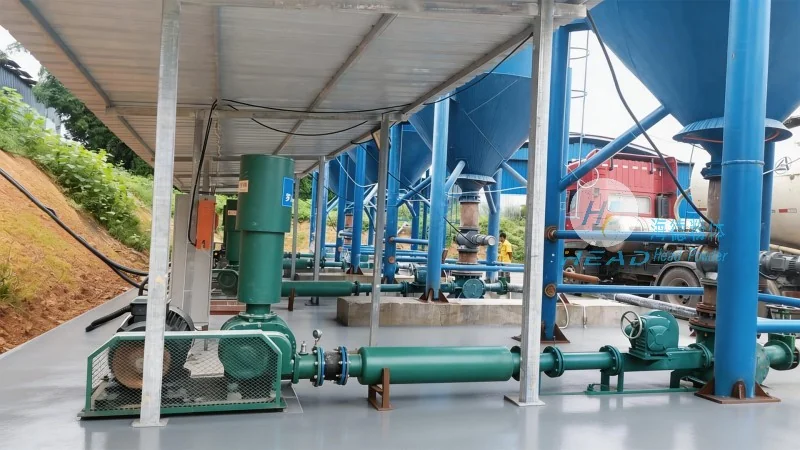
The velocity of the air in the pipeline is a critical factor in the operation of the system. The air velocity must be high enough to overcome the gravitational force of the particles and maintain their suspension in the air stream. However, excessive air velocity can lead to increased wear on the pipeline and higher energy consumption. The optimal air velocity is determined based on the particle size, density, and flow rate. For ceramic particles, which are often fine and abrasive, the air velocity is typically maintained at a moderate level to balance efficiency and wear.
The system also includes control mechanisms to regulate the flow rate and pressure. These mechanisms may include pressure sensors, flow meters, and control valves. The control system ensures that the system operates within safe and efficient parameters, preventing overloading or underloading of the pipeline. For example, if the flow rate exceeds the system's capacity, the control system may reduce the air pressure or adjust the feed rate to maintain stable operation.
Advantages and Applications of Ceramic Particle Pneumatic Conveying Systems
Ceramic particle pneumatic conveying systems offer several advantages over traditional mechanical conveying methods. One of the primary advantages is the absence of mechanical wear, as the particles are transported by air rather than by contact with mechanical components. This reduces maintenance costs and extends the lifespan of the system. Additionally, pneumatic conveying systems are capable of handling a wide range of particle sizes and shapes, including fine powders and irregularly shaped granules.




