Wool processing is a critical stage in the textile industry, and efficient wool conveyance is essential to ensure smooth operations and maintain product quality. The choice of conveyance method significantly impacts productivity, cost, and the overall integrity of the wool during transportation. Understanding the common methods used for wool conveyance helps businesses optimize their processes and select the most suitable technology for their specific needs.
Gravity Conveyance Systems
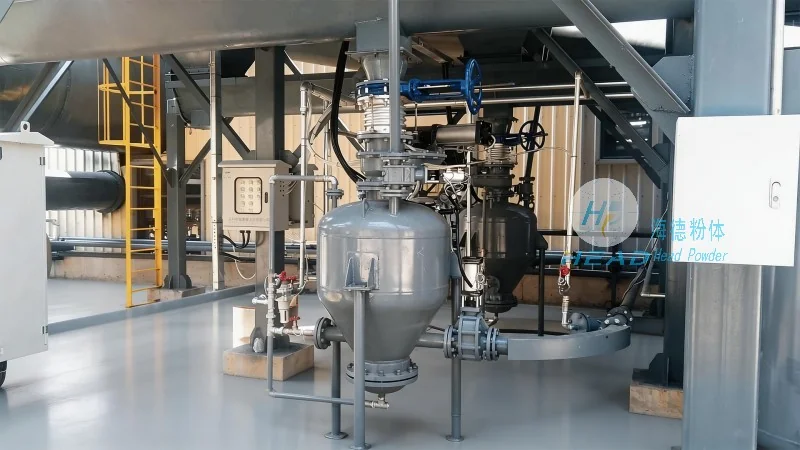
Gravity conveyance systems utilize the natural force of gravity to move wool from one point to another. These systems are typically used for short distances and gentle slopes, making them ideal for applications where the wool needs to be transferred between different levels or areas within a facility. The primary components of a gravity system include chutes, hoppers, and troughs, which are designed to guide the wool along a predetermined path. The smooth, sloped surfaces of these components minimize friction and prevent damage to the wool fibers. For example, in a wool processing plant, gravity chutes can be used to move raw wool from a storage area to a cleaning or sorting station. The gentle slope ensures that the wool moves at a controlled speed, reducing the risk of fiber breakage or contamination. This method is particularly effective for handling large volumes of wool and is often combined with other conveyance systems to create a comprehensive material handling solution.
Mechanical Conveyance Systems
Mechanical conveyance systems employ mechanical energy to transport wool, offering greater control and flexibility compared to gravity systems. These systems are widely used in modern wool processing facilities due to their ability to handle various wool types and processing stages. The most common types of mechanical conveyors for wool include belt conveyors, screw conveyors, and chain conveyors. Belt conveyors use a continuous belt to move wool along a fixed path, making them suitable for long-distance transportation and heavy loads. The belt material is often chosen to be non-abrasive and easy to clean, ensuring that the wool remains in good condition. Screw conveyors, also known as auger conveyors, use a rotating screw to push wool through a tube or trough. This method is effective for vertical or inclined transport and can handle a wide range of wool densities. Chain conveyors, on the other hand, use a series of chains with attached buckets or paddles to move wool. They are particularly useful for handling wet or sticky wool, as the chains can provide better traction and prevent material buildup. The mechanical nature of these systems allows for precise control over the speed and direction of wool movement, which is crucial for maintaining the quality of the fibers.
Air Conveyance Systems
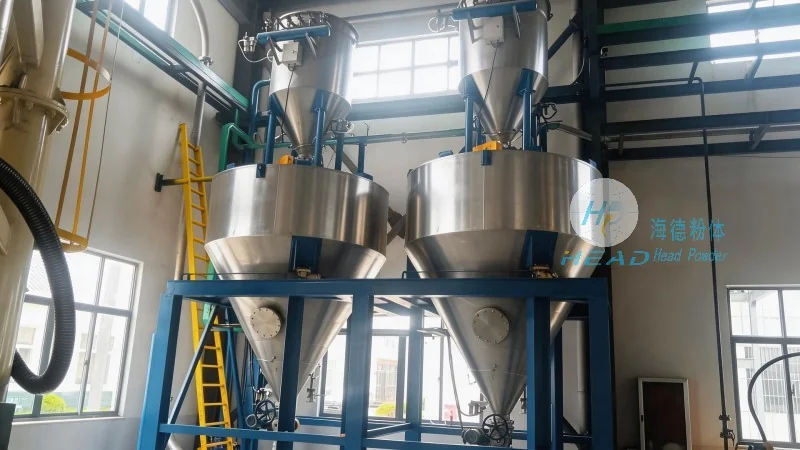
Air conveyance systems, also known as pneumatic conveyors, use compressed air to transport wool through a network of pipes. This method is highly efficient for moving wool over long distances and through complex layouts, as the wool is suspended in the air and moved by the air current. The primary components of an air conveyor system include a blower, a hopper, and a discharge nozzle. The blower generates the necessary air pressure, while the hopper feeds the wool into the system. The wool is then carried through the pipes by the air flow, reaching the destination point. Air conveyance systems are particularly effective for handling fine or delicate wool, as the air flow minimizes friction and prevents damage to the fibers. They are also suitable for applications where dust control is a priority, as the system can be enclosed to contain the wool and prevent contamination. However, air conveyance systems require more energy compared to other methods and may not be suitable for very heavy or bulky wool loads. The efficiency and flexibility of air conveyance make it a popular choice in modern wool processing facilities, especially for applications that require long-distance or complex material handling.
Hybrid Conveyance Systems
Hybrid conveyance systems combine elements of gravity, mechanical, and air conveyance to create a comprehensive material handling solution tailored to specific wool processing needs. These systems are designed to address the limitations of individual methods and provide optimal performance for complex operations. For example, a hybrid system might use a gravity chute to move wool from a storage area to a mechanical conveyor, which then transports it to an air conveyor for final delivery. This combination allows for efficient handling of different wool types and processing stages, ensuring that the wool is moved with minimal damage and maximum productivity. Hybrid systems are often used in large-scale wool processing plants where multiple processing stages are involved, as they can integrate seamlessly with existing equipment and infrastructure. The flexibility of hybrid systems makes them a versatile choice for businesses looking to optimize their wool conveyance processes and improve overall operational efficiency.
Factors to Consider When Choosing a Wool Conveyance Method
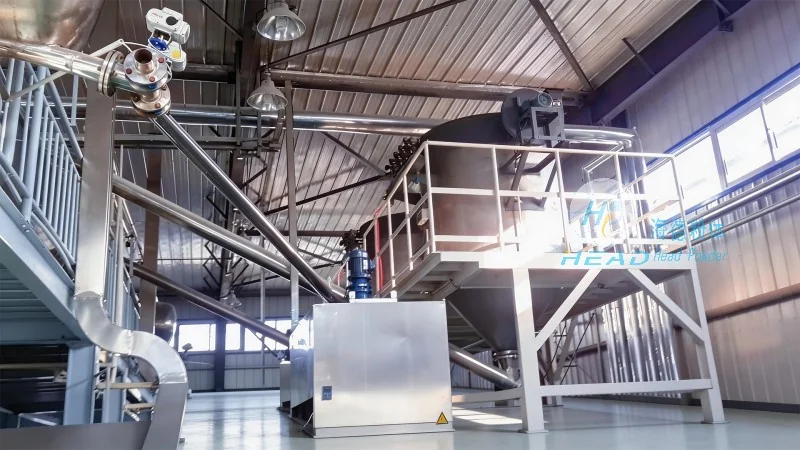
When selecting a wool conveyance method, several factors must be considered to ensure the best fit for the specific application. The first factor is the type and condition of the wool being handled. Different wool types, such as fine merino or coarse wool, may require different conveyance methods to prevent damage to the fibers. For example, fine wool may need a gentler system like a gravity chute or a low-speed mechanical conveyor, while coarse wool can be handled by more robust systems like screw or chain conveyors. The condition of the wool, such as whether it is dry or wet, also affects the choice of method. Wet wool may require a system with better traction and moisture control, such as a chain conveyor or an air conveyor with specialized nozzles. The distance and layout of the facility are also important considerations. For short distances and simple layouts, gravity systems may be sufficient, while long distances or complex layouts may require mechanical or air conveyance systems. The budget and available space are additional factors that influence the selection of a conveyance method. Gravity systems are generally the most cost-effective option, while mechanical and air systems may require higher initial investments but offer greater flexibility and efficiency. The desired level of automation and control is another consideration, as some systems may require more manual intervention than others. Ultimately, the choice of wool conveyance method should be based on a thorough analysis of the specific needs and constraints of the wool processing operation.
Conclusion
Efficient wool conveyance is a critical component of modern wool processing, and the choice of method plays a significant role in maintaining product quality and optimizing operational efficiency. Gravity, mechanical, and air conveyance systems each offer unique advantages and are suitable for different applications. By understanding the characteristics of each method and considering factors such as wool type, distance, and budget, businesses can select the most appropriate conveyance system for their needs. The integration of these systems into a comprehensive material handling solution can significantly improve the overall performance of wool processing facilities. As the textile industry continues to evolve, the importance of efficient wool conveyance will only increase, making it essential for businesses to invest in the right technology and processes to stay competitive.




