

What are the methods for transporting powdered electrolytes?
Efficient and reliable transportation of powdered electrolytes is a critical aspect of many industrial processes, particularly in sectors like battery manufacturing, chemical production, and pharmaceuticals. The unique properties of electrolyte powders, including their fine particle size, potential reactivity, and sensitivity to moisture or air exposure, necessitate specialized handling methods. The choice of transportation method is influenced by several factors, including the material's characteristics, the required throughput, the distance of transport, and the need for contamination-free handling. Below, we explore the primary methods used for transporting powdered electrolytes, each with its own advantages and applications.
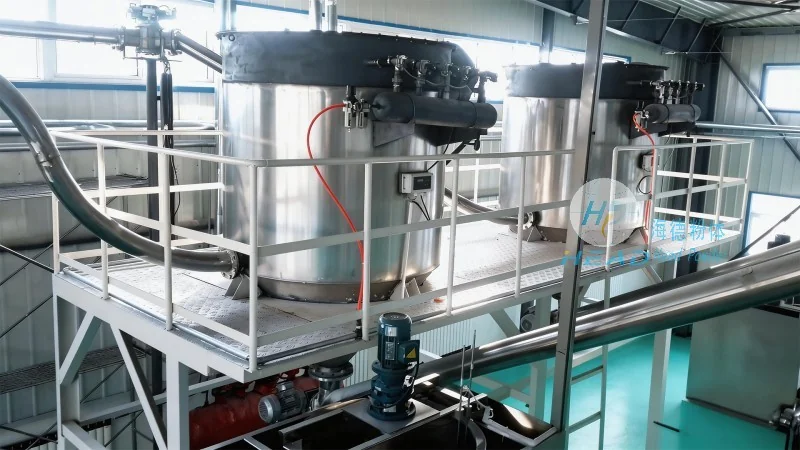
1. Screw Conveyors for Powdered Electrolytes
Screw conveyors, also known as auger conveyors, are a widely used and effective method for transporting powdered electrolytes. These devices operate by using a rotating screw (auger) inside a cylindrical tube to move the material forward. The screw's pitch and rotational speed can be adjusted to control the flow rate and prevent issues like material bridging or clogging. For electrolyte powders, which may exhibit cohesive or sticky behavior, a variable-speed screw or a conveyor with a special coating (e.g., stainless steel or PTFE) is often employed to enhance performance. Screw conveyors are particularly suitable for horizontal or slight incline transport and can be integrated with other equipment such as hoppers, mixers, or packaging machines. The design ensures minimal product degradation and contamination, making them ideal for applications where product purity is paramount. For instance, in battery production, screw conveyors are commonly used to transport lithium electrolyte powders to mixing and coating lines, where the material must remain free from contaminants to ensure battery performance.
2. Pneumatic Conveying Systems
Pneumatic conveying systems utilize air or other gases to transport powdered electrolytes through a pipeline, offering a highly versatile and efficient solution for various industrial needs. There are two main types of pneumatic conveying: pressure and vacuum. In pressure systems, air is blown into a hopper or silo, creating a positive pressure that pushes the powder through the pipeline to the destination. Vacuum systems, conversely, use a vacuum pump to draw the powder from the source to the receiver. Pneumatic conveying is advantageous for long-distance transport, as it can move materials over several hundred meters without the need for multiple transfer points. This method also allows for the integration of multiple process steps, such as mixing, drying, and packaging, within a single system. However, the selection of the right air velocity and pipeline diameter is critical to prevent particle degradation or blockages. For electrolyte powders, which may be sensitive to moisture or air exposure, a closed-loop system with filtered air can be employed to maintain product quality. This ensures that the powder remains dry and free from contaminants throughout the transport process, which is essential for applications like battery manufacturing where the electrolyte's performance directly impacts the final product.
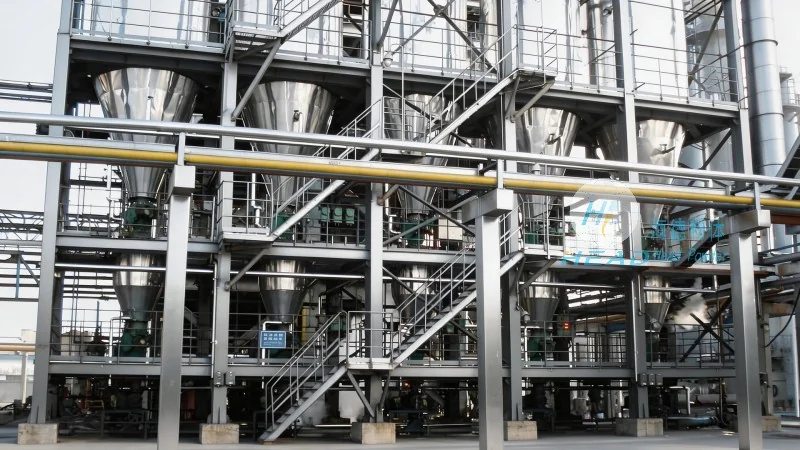
3. Vibratory Conveyors
Vibratory conveyors use vibration to move powdered electrolytes along a trough or conveyor belt, making them an effective solution for materials prone to bridging or clogging. The system consists of a motor-driven vibration mechanism that causes the conveyor surface to oscillate, creating a series of waves that propel the material forward. This method is particularly suitable for horizontal or gentle incline transport and can handle a wide range of particle sizes and bulk densities. Vibratory conveyors are often used in applications where gentle handling is required, as the vibration minimizes product degradation compared to high-speed mechanical conveyors. The design can be customized with different materials of construction, such as stainless steel or food-grade plastics, to suit the specific requirements of the electrolyte powder. Additionally, the conveyor can be equipped with sensors to monitor flow rates and detect blockages, ensuring smooth operation and preventing product loss. For example, in chemical production facilities, vibratory conveyors are used to transport electrolyte powders to reactors or storage tanks, where the material needs to be handled without causing agglomeration or degradation.
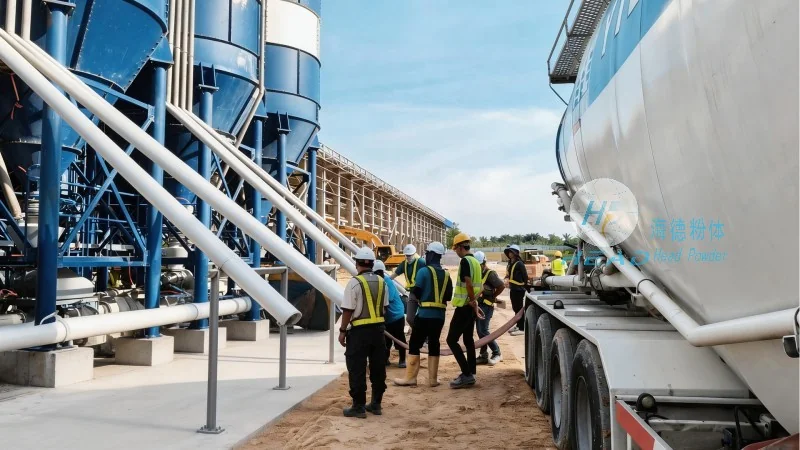
4. Bucket Elevators
Bucket elevators are used for vertical or steep incline transport of powdered electrolytes, making them suitable for applications where the material needs to be elevated from a lower level to a higher one. These systems consist of a series of buckets attached to a belt or chain that moves vertically within a housing. As the buckets rise, they scoop up the powder from a hopper and then discharge it at the top of the elevator. Bucket elevators are capable of handling high capacities and can transport materials over significant vertical distances, often up to several hundred feet. They are particularly useful in battery manufacturing plants where electrolyte powders need to be lifted from storage silos to mixing and coating lines. The design of the buckets and the speed of the conveyor can be adjusted to prevent material spillage or degradation. For electrolyte powders that are prone to dusting or caking, the buckets can be lined with a non-stick material or coated with a special finish to ensure smooth discharge. Bucket elevators are known for their reliability and low maintenance requirements, making them a preferred choice for many industrial applications. They are often integrated with other equipment, such as feeders or mixers, to form a complete material handling system, ensuring efficient and consistent transport of the electrolyte powder.
5. Belt Conveyors
Belt conveyors are a classic and widely used method for transporting powdered electrolytes, especially for longer horizontal distances. These systems consist of a continuous belt that moves over rollers or pulleys, carrying the material from the source to the destination. The belt can be made from various materials, such as rubber or PVC, depending on the properties of the electrolyte powder. For materials that are abrasive or corrosive, a heavy-duty belt with a special coating can be used to extend the lifespan of the conveyor. Belt conveyors are capable of handling large volumes of material and can be customized with different widths and speeds to meet specific throughput requirements. They are often used in conjunction with other equipment, such as hoppers, feeders, or packaging machines, to form a complete material handling line. The design allows for easy integration with automation systems, enabling precise control over the transport process. Belt conveyors are known for their simplicity and durability, making them a cost-effective solution for many industrial applications. For instance, in chemical plants, belt conveyors are used to transport electrolyte powders from storage bins to processing units, ensuring a continuous and efficient supply of material for production.