HeadPowder, a leading enterprise in the field of material handling technology, specializes in the design, manufacturing, and supply of advanced pneumatic conveying systems. This article provides a comprehensive overview of dry lime pneumatic conveying systems, focusing on their structural design and operational principles. The company, Shandong HeadPowder Engineering Co., Ltd., based in Shandong, China, leverages decades of industry experience to deliver efficient and reliable solutions for transporting dry lime and similar bulk materials.
Key Components and Structural Design of Dry Lime Pneumatic Conveying Systems
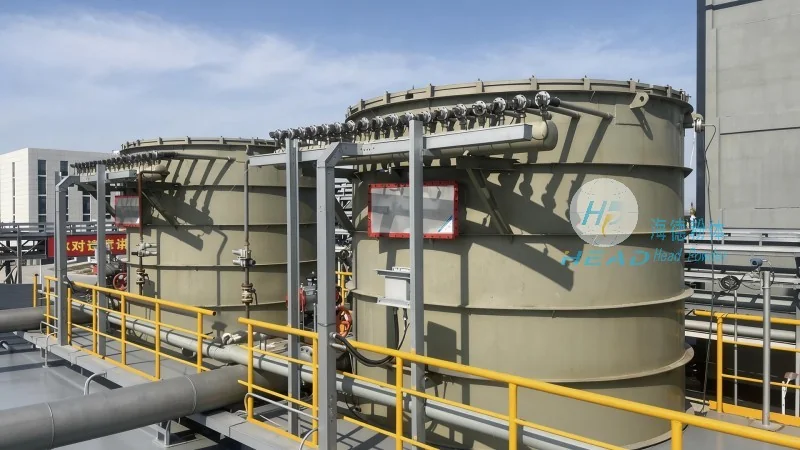
Dry lime pneumatic conveying systems are engineered to handle the unique properties of dry lime, such as its fine particle size and potential for dust generation. The system typically consists of several critical components that work in concert to ensure safe and efficient material transport. These components include the material feed hopper, the air compressor or blower, the conveying pipeline, and the receiving hopper or silo. The feed hopper is designed to store and meter the dry lime, ensuring a consistent flow into the system. It often features a screw feeder or rotary valve to control the discharge rate, preventing blockages and maintaining system stability. The air compressor or blower generates the necessary air pressure to create the airflow that propels the dry lime particles through the pipeline. The conveying pipeline is constructed from durable materials, such as stainless steel or corrosion-resistant alloys, to withstand the abrasive nature of dry lime and resist wear and tear over time. The pipeline system may include bends, elbows, and straight sections, all designed to minimize pressure loss and maintain the velocity of the material-air mixture. The receiving hopper or silo collects the dry lime at the destination, allowing for further processing or storage. Additionally, the system may incorporate dust collection and filtration equipment to ensure compliance with environmental regulations and maintain a clean working environment.
Working Principles of Dry Lime Pneumatic Conveying Systems
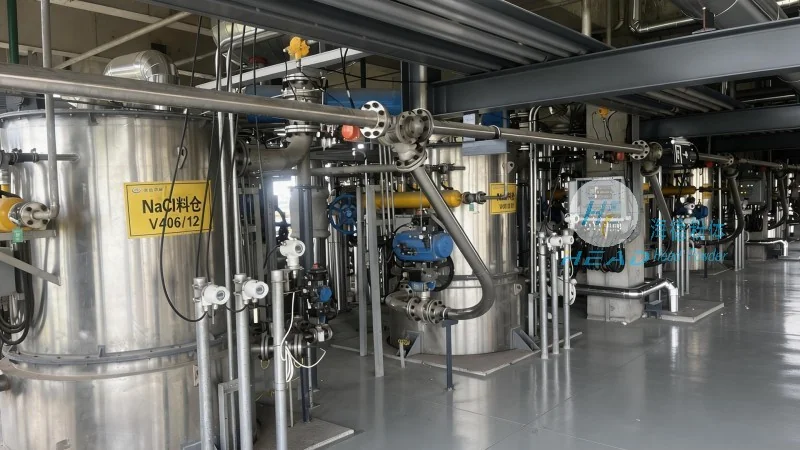
The operation of a dry lime pneumatic conveying system relies on the principle of pneumatic transport, where the material is suspended and transported by an air stream. The process begins with the dry lime being fed into the material hopper. From there, the material is discharged into the conveying pipeline through a controlled valve or feeder. Simultaneously, the air compressor or blower supplies compressed air to the pipeline, creating a high-velocity airflow. The air stream entrains the dry lime particles, forming a dense phase or dilute phase mixture depending on the system design. In a dense phase system, the air velocity is lower, and the material is transported in a more concentrated state, reducing the risk of particle degradation and minimizing pressure drop. In a dilute phase system, the air velocity is higher, allowing for longer transport distances but with a higher risk of particle attrition. The system's control system monitors parameters such as pressure, flow rate, and material level, adjusting the air supply and feed rate to maintain optimal operation. This dynamic control ensures that the system operates efficiently, minimizing energy consumption and maximizing material throughput. The receiving hopper collects the dry lime, and the air is filtered and returned to the system or released to the atmosphere, depending on the system's design and environmental requirements.
Advantages of Dry Lime Pneumatic Conveying Systems
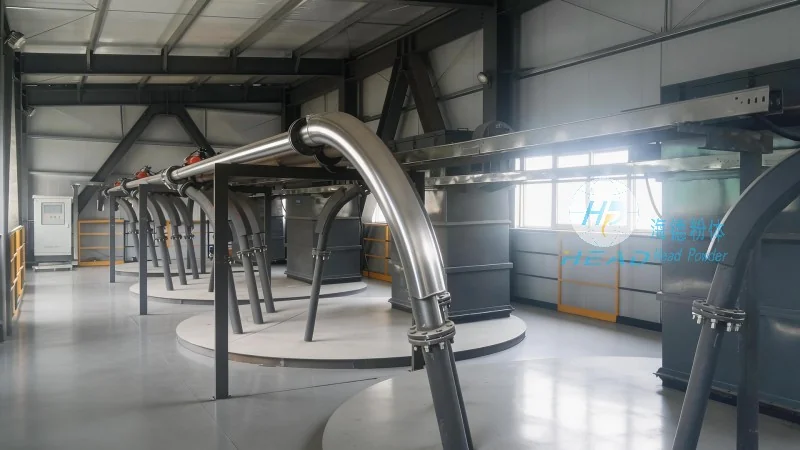
Compared to traditional bulk material handling methods, such as belt conveyors or bucket elevators, dry lime pneumatic conveying systems offer several advantages. One of the primary benefits is the ability to transport dry lime over long distances without the need for intermediate storage or transfer points. This reduces the risk of material degradation and contamination, as the material remains in a closed system throughout the transport process. The system also provides greater flexibility in terms of layout and installation, as the pipeline can be routed around obstacles and through multiple levels without the need for complex machinery. Additionally, pneumatic conveying systems are less prone to maintenance issues compared to mechanical systems, as there are fewer moving parts and less wear and tear. The closed system design also helps to minimize dust emissions, improving workplace safety and environmental compliance. For industries that handle dry lime, such as cement production, chemical manufacturing, or environmental remediation, these advantages make pneumatic conveying systems an attractive solution for efficient material transport.
Applications and Industries Served by Dry Lime Pneumatic Conveying Systems
Dry lime pneumatic conveying systems are widely used in various industries that require the transport of dry lime and similar bulk materials. In the cement industry, these systems are used to transport dry lime from storage silos to the raw material preparation area, where it is mixed with other raw materials to produce clinker. The high efficiency and reliability of the system ensure that the cement production process runs smoothly, with minimal downtime. In the chemical industry, dry lime is used as a neutralizing agent in wastewater treatment and as a raw material in the production of calcium-based chemicals. Pneumatic conveying systems are ideal for transporting dry lime to these processes, as they can handle the material's fine particle size and prevent contamination. The environmental remediation industry also utilizes dry lime for soil stabilization and groundwater treatment. The ability of pneumatic conveying systems to transport dry lime over long distances and in a controlled manner makes them suitable for these applications, where precise material delivery is critical. Additionally, the food and pharmaceutical industries may use dry lime as a buffering agent or filler, and pneumatic conveying systems can be adapted to meet the stringent hygiene and safety requirements of these sectors.
Conclusion and Company Overview
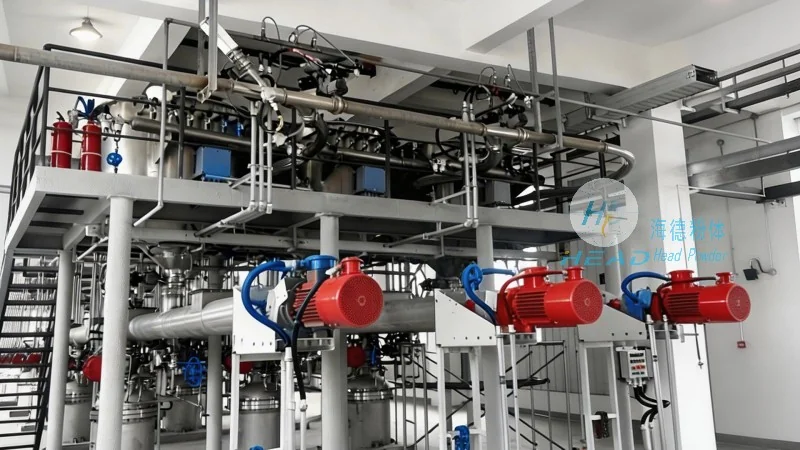
HeadPowder, as a professional manufacturer of pneumatic conveying systems, continues to innovate and improve its products to meet the evolving needs of the market. The company's dry lime pneumatic conveying systems are designed with a focus on efficiency, reliability, and safety, ensuring that they meet the highest industry standards. With its headquarters in Shandong, China, HeadPowder leverages local resources and expertise to deliver high-quality products and services to customers worldwide. The company's commitment to research and development ensures that its systems remain at the forefront of material handling technology, providing customers with solutions that enhance productivity and reduce operational costs. For industries that rely on the efficient transport of dry lime, HeadPowder's pneumatic conveying systems offer a reliable and effective solution, backed by decades of experience and a dedication to excellence.




