Wheat flour pneumatic conveying systems are essential for efficient material handling in the flour milling industry. These systems utilize air to transport wheat flour and other powders, offering a clean, dust-free, and flexible solution compared to traditional mechanical conveyors. Understanding the structure and working principles of such systems is crucial for optimizing production processes and ensuring consistent quality in flour processing.
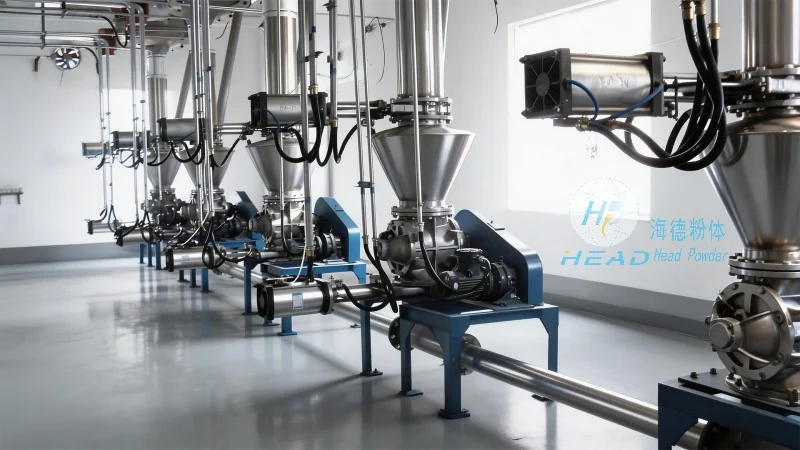
Key Components of Wheat Flour Pneumatic Conveying Systems
A typical wheat flour pneumatic conveying system consists of several key components that work in tandem to achieve efficient material transport. The main parts include the hopper, which holds the wheat flour; the conveyor line, which may be of the dilute-phase or dense-phase type; the air compressor or blower that generates the airflow; and the control system that regulates the operation. Each component plays a vital role in maintaining the system's performance and reliability.
Working Principles of Pneumatic Conveying for Wheat Flour
The operation of a wheat flour pneumatic conveying system is based on the principle of air movement to move the material. In dilute-phase systems, the material is suspended in the air stream and transported through the pipeline. This method is suitable for short to medium distances and low to medium material loads. Dense-phase systems, on the other hand, use higher air pressure to push the material in a slurry-like state, which is ideal for longer distances and higher material volumes. The choice between these systems depends on the specific requirements of the flour processing facility.
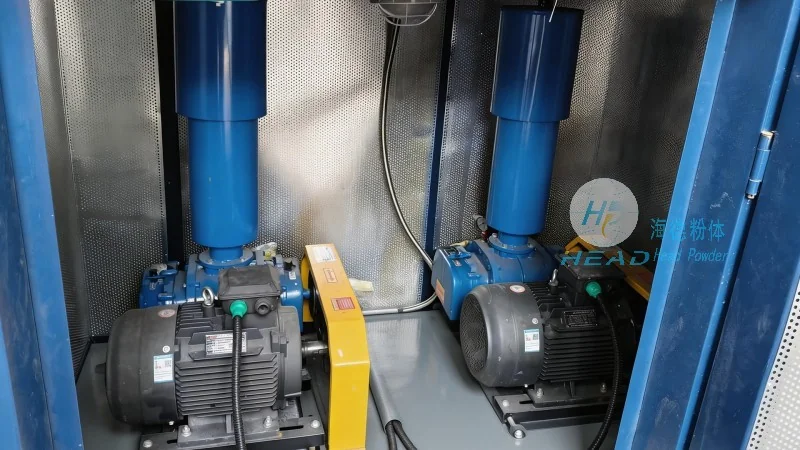
Structural Design Considerations for Wheat Flour Conveying Systems
The structural design of a wheat flour pneumatic conveying system must consider factors such as material properties, system capacity, and environmental conditions. For wheat flour, which is a fine powder, the system must be designed to prevent clogging and ensure smooth flow. This involves using appropriate hopper designs with proper aeration and using smooth, non-stick materials for the conveyor lines. Additionally, the system must be equipped with dust collection and filtration systems to maintain a clean working environment and comply with environmental regulations.
Applications and Benefits of Wheat Flour Pneumatic Conveying Systems
Wheat flour pneumatic conveying systems are widely used in various stages of flour production, from raw material handling to final product packaging. The benefits of these systems include improved hygiene, reduced labor costs, increased flexibility in layout, and enhanced safety by eliminating the need for manual handling of powders. These advantages make pneumatic conveying a preferred choice for modern flour mills looking to enhance operational efficiency and product quality.
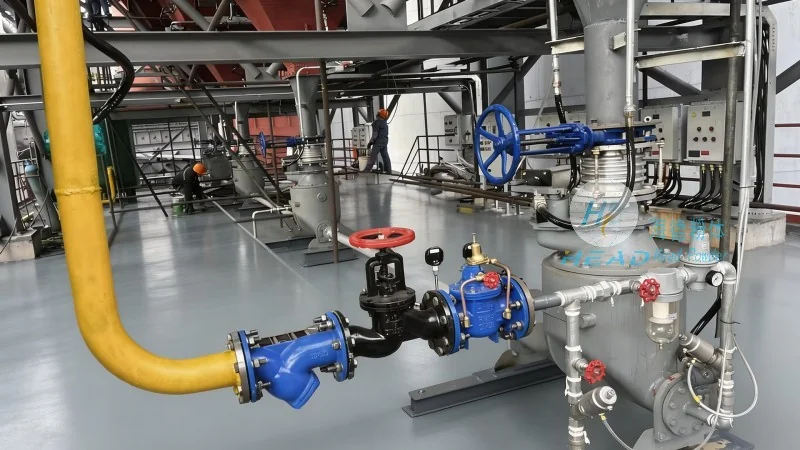
About Shandong HeadPowder Engineering Co., Ltd.
Shandong HeadPowder Engineering Co., Ltd., commonly known as HeadPowder, is a leading manufacturer specializing in the design and production of pneumatic conveying systems for the flour industry. With a focus on innovation and quality, HeadPowder provides customized solutions tailored to the specific needs of flour mills. The company's expertise in material handling technology ensures that its systems are reliable, efficient, and compliant with industry standards. HeadPowder's commitment to customer satisfaction and technical excellence has made it a trusted partner for flour processing facilities worldwide.
Conclusion
In summary, wheat flour pneumatic conveying systems are a critical component of modern flour milling operations, offering efficient and hygienic material transport solutions. The structural design and working principles of these systems are carefully engineered to meet the demands of the flour industry. As a leading provider in the field, Shandong HeadPowder Engineering Co., Ltd. continues to advance the technology and deliver high-quality pneumatic conveying systems that enhance the productivity and sustainability of flour processing facilities.




