Trilithium, a type of lithium-ion battery, is widely used in modern energy storage and portable electronics. The efficient and safe transportation of trilithium powder or granules is crucial for industrial production lines. A well-designed pneumatic conveying system can significantly enhance operational efficiency, reduce material loss, and ensure compliance with safety standards. This article provides a comprehensive guide on how to design a reasonable trilithium pneumatic conveying system, focusing on key considerations and practical steps.
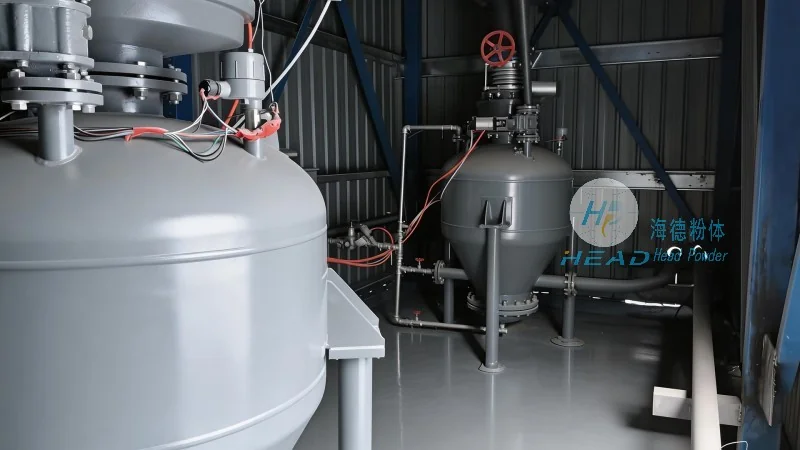
Understanding the Core Components of a Pneumatic Conveying System
A pneumatic conveying system for trilithium materials typically consists of several essential components. The primary elements include a material hopper or feeder to control the flow of trilithium powder, a blower or air compressor to generate the necessary air pressure, a conveying line (usually made of stainless steel or other corrosion-resistant materials to prevent contamination), and a dust collector or filter to capture any airborne particles. Each component plays a vital role in the overall system performance, and their selection must align with the specific characteristics of the trilithium material, such as particle size, moisture content, and potential hazards.
Key Design Considerations for Trilithium Pneumatic Conveying
When designing a trilithium pneumatic conveying system, several critical factors must be considered to ensure optimal performance and safety. First, the material's physical properties, including particle size distribution, bulk density, and flowability, directly impact the system's air velocity and pressure requirements. For trilithium, which often has fine particles, higher air velocities may be needed to prevent clogging in the conveying line. Second, the system must be designed to minimize dust generation and exposure, as trilithium powders can be hazardous if inhaled. This involves using appropriate dust collection systems and ensuring proper ventilation. Third, the system should be constructed from materials that are compatible with trilithium, avoiding any substances that could cause chemical reactions or contamination. Stainless steel is commonly used for its corrosion resistance and inertness.
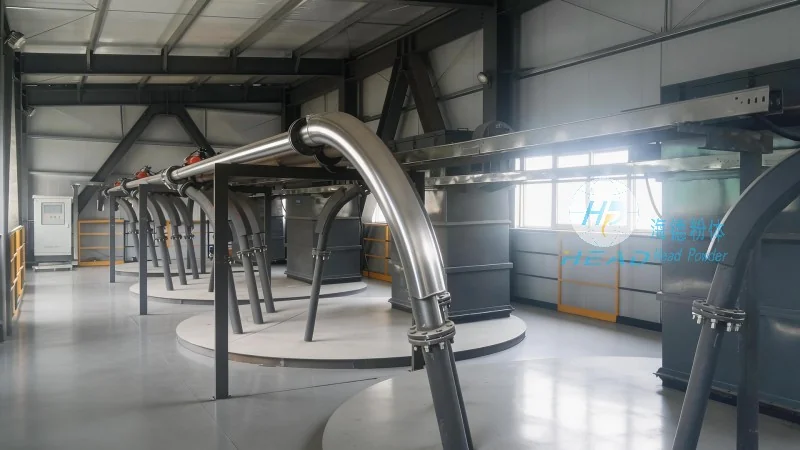
System Sizing and Airflow Calculations
Accurate system sizing is fundamental to the success of a trilithium pneumatic conveying system. The air flow rate and pressure must be calculated based on the material's characteristics and the desired conveying distance. The formula for air velocity in pneumatic conveying is often based on the material's terminal velocity, which is determined by its particle size and density. For trilithium, a typical air velocity range is between 20 to 30 meters per second for dilute phase conveying, as this ensures the particles remain suspended in the air stream without settling. The blower or compressor must be sized to provide sufficient pressure to overcome the resistance of the conveying line, including friction losses and elevation changes. Proper calculations help prevent under- or over-sizing, which can lead to system inefficiencies or damage.
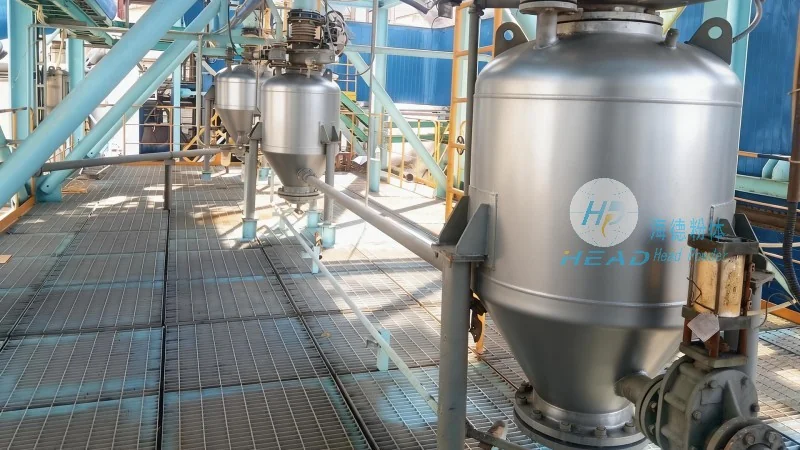
Material Handling and Safety Measures
Trilithium materials require special handling and safety measures due to their potential hazards. The pneumatic conveying system should be equipped with explosion-proof components, especially if the trilithium powder is flammable or reactive. Dust explosion venting and suppression systems are essential to prevent catastrophic events. Additionally, the system should include safety interlocks to stop the air flow if the material hopper is empty or if there is a blockage in the line. Personal protective equipment (PPE) such as respirators and gloves should be used by operators, and the system should be regularly inspected for wear and tear to maintain safety standards. Compliance with local regulations and industry standards, such as those from the International Electrotechnical Commission (IEC) or the American Society of Mechanical Engineers (ASME), is also crucial.
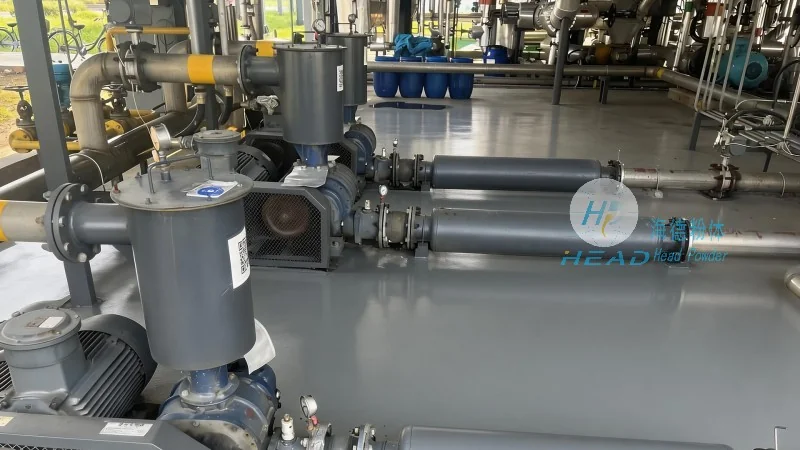
Installation and Maintenance Guidelines
The successful operation of a trilithium pneumatic conveying system depends on proper installation and regular maintenance. During installation, all components should be aligned correctly to minimize air leakage and ensure smooth material flow. The conveying line should be free of sharp bends or kinks that could cause particle accumulation or damage. Regular maintenance includes cleaning the dust collector, checking the blower for wear, and inspecting the material hopper for any signs of clogging or contamination. A preventive maintenance schedule should be established to address potential issues before they become major problems. Proper maintenance not only extends the system's lifespan but also ensures consistent performance and safety.
Case Study: A Successful Trilithium Pneumatic Conveying Implementation by Shandong HeadPowder Engineering Co., Ltd.
Shandong HeadPowder Engineering Co., Ltd., a leading provider of material handling solutions, has successfully designed and implemented trilithium pneumatic conveying systems for various clients. One notable project involved a client in the battery manufacturing industry who required a system to transport fine trilithium powder from a storage silo to a mixing plant. The HeadPowder team conducted a thorough analysis of the material properties and production requirements, then designed a system with a stainless steel conveying line, a high-efficiency dust collector, and an explosion-proof blower. The system was installed and commissioned, achieving a conveying efficiency of over 95% with minimal material loss and no safety incidents. The client reported significant improvements in production throughput and reduced labor costs due to the automated material handling. This case study highlights the importance of expert design and careful implementation in ensuring the success of trilithium pneumatic conveying systems.




