

Sweet Potato Starch Pneumatic Conveying Equipment: What It Is and Its Design Principles
Sweet potato starch is a vital raw material across multiple industries, including food processing, pharmaceuticals, and cosmetics. The efficient and hygienic transport of this fine powder is crucial for maintaining product quality and operational efficiency. Pneumatic conveying systems have become the preferred method for handling sweet potato starch due to their ability to move powders in a closed, dust-free environment. This article explores the concept of sweet potato starch pneumatic conveying equipment and examines its design principles, offering a comprehensive overview of this technology.
Understanding Pneumatic Conveying Systems
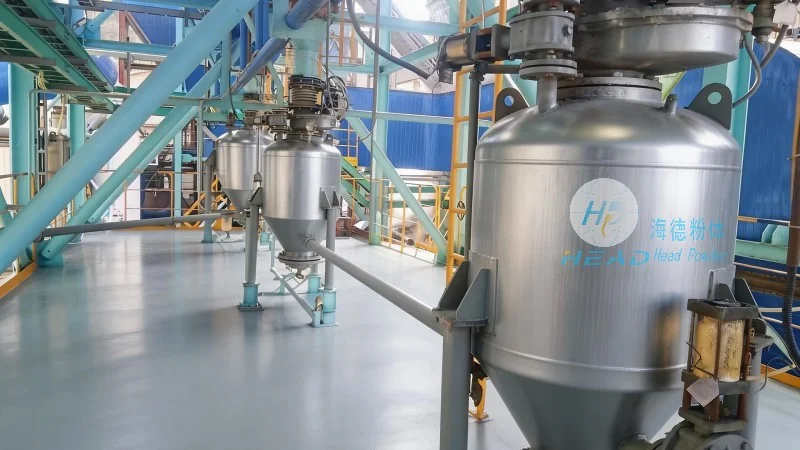
Pneumatic conveying equipment uses air or gas to transport bulk materials like sweet potato starch from one location to another. Unlike traditional mechanical conveyors that rely on belts or screws, pneumatic systems employ a pressurized or vacuum environment to move particles. The fundamental components of a typical pneumatic conveying system include a hopper for material storage, a conveyor line (often a pipe), a blower or vacuum pump to generate airflow, and a receiver or discharge point. For sweet potato starch, which is a fine, dry powder, the choice of conveying method—whether positive pressure, negative pressure, or a combination—depends on factors such as the material's properties, the distance to be covered, and the required flow rate.
Key Design Principles for Sweet Potato Starch Conveying
The design of a sweet potato starch pneumatic conveying system must consider several critical factors to ensure optimal performance and minimal product degradation. First, the system must maintain consistent airflow to prevent material buildup or blockages in the pipes. This is achieved through proper sizing of the conveyor line, blower capacity, and the use of appropriate valves and controls. Second, the equipment must be tailored to the specific characteristics of sweet potato starch, such as its moisture content, particle size distribution, and flowability. For example, if the starch has a high moisture content, the system may require additional drying or conditioning steps to prevent caking or clumping during transport.
Components and Their Functions
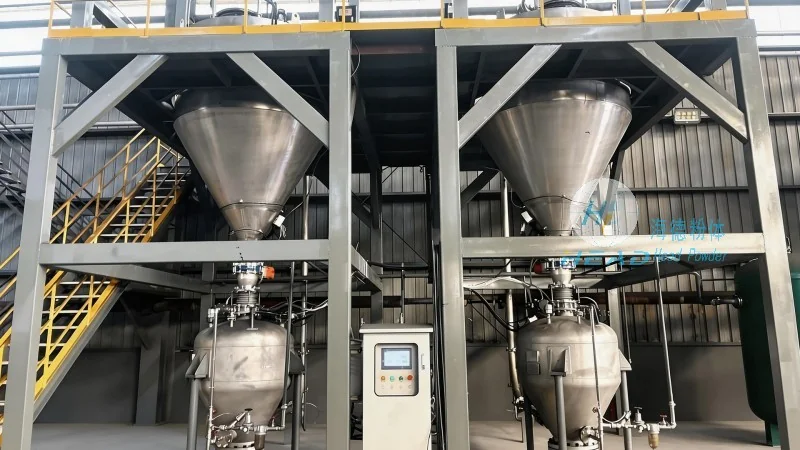
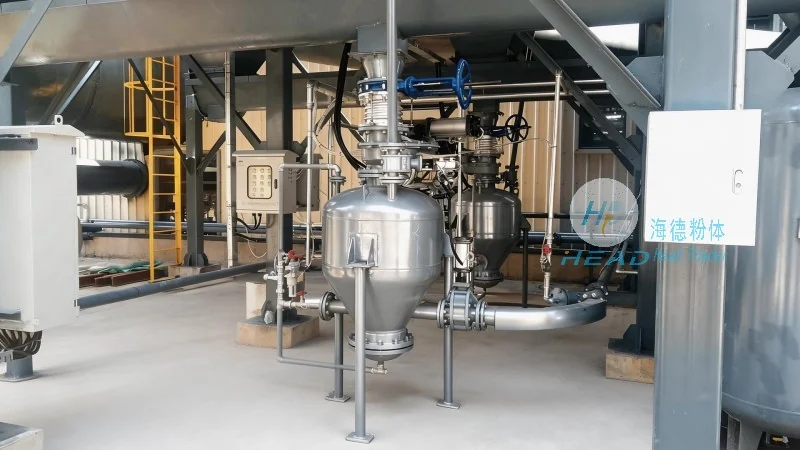
Each component of the pneumatic conveying system plays a vital role in the efficient transport of sweet potato starch. The hopper, typically made of stainless steel to prevent contamination, stores the starch and feeds it into the conveyor line. The conveyor line, often constructed from food-grade materials like stainless steel or polyethylene, ensures a smooth and unobstructed path for the powder. The blower or vacuum pump generates the necessary airflow, with positive pressure systems pushing the material forward and negative pressure systems pulling it. The receiver, usually a sealed container, collects the starch at the destination point, maintaining a clean and controlled environment. Additionally, the system may include filters to remove dust or particles from the air, ensuring that the transported starch remains free from contaminants.
Advantages of Pneumatic Conveying for Sweet Potato Starch
Compared to traditional conveying methods, pneumatic systems offer several advantages for handling sweet potato starch. One primary benefit is the ability to transport materials in a closed system, which prevents dust contamination and maintains product purity. This is especially important for food-grade products like sweet potato starch, where hygiene is paramount. Another advantage is the flexibility of pneumatic systems, which can be easily adjusted to accommodate varying flow rates or material properties. Furthermore, these systems are less prone to mechanical wear and tear compared to belts or screws, reducing maintenance costs and downtime. The closed nature of the system also minimizes the risk of cross-contamination, making it suitable for applications where product integrity is critical.
Application Scenarios and Considerations
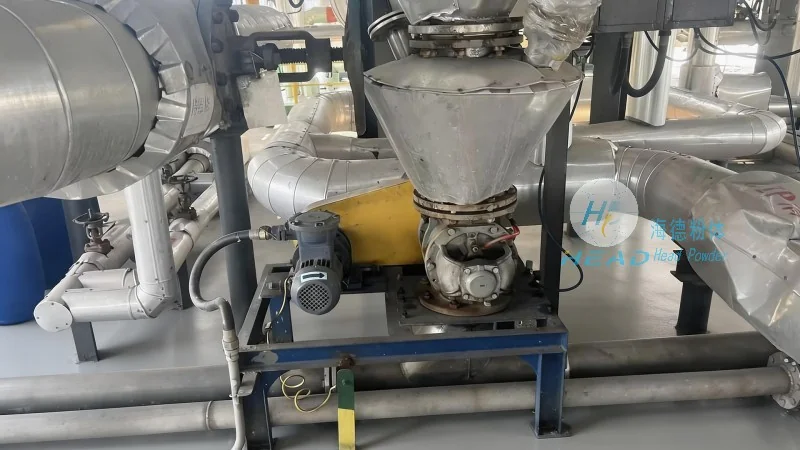
Sweet potato starch pneumatic conveying equipment is widely used in various industrial settings. For instance, in food processing plants, these systems are used to transport starch from storage silos to processing lines, ensuring a continuous and hygienic supply. In pharmaceutical manufacturing, the equipment is employed to move starch into mixing or packaging units, maintaining the high standards required for drug production. The design of the system must also consider the specific application, such as the distance between the source and destination, the volume of material to be transported, and the required speed. Additionally, the system must comply with relevant industry standards, such as those set by the FDA or other regulatory bodies, to ensure safety and quality.
Conclusion
Sweet potato starch pneumatic conveying equipment is a sophisticated and effective solution for transporting fine powders like sweet potato starch. By understanding the design principles and components of these systems, manufacturers can optimize their operations, improve product quality, and enhance overall efficiency. As the demand for high-quality sweet potato starch continues to grow, the importance of reliable and hygienic conveying systems will only increase. Companies like Shandong HeadPowder Engineering Co., Ltd., based in China, specialize in designing and manufacturing such equipment, providing tailored solutions to meet the specific needs of their clients in the food, pharmaceutical, and cosmetic industries.