For industries dealing with rare earth powders, efficient and reliable material handling is crucial. Pneumatic conveying systems offer a solution that minimizes contamination, reduces downtime, and enhances overall operational safety. This article explores the concept of rare earth powder pneumatic conveying equipment and delves into the core design principles that underpin its functionality.
Understanding Rare Earth Powder Pneumatic Conveying Equipment
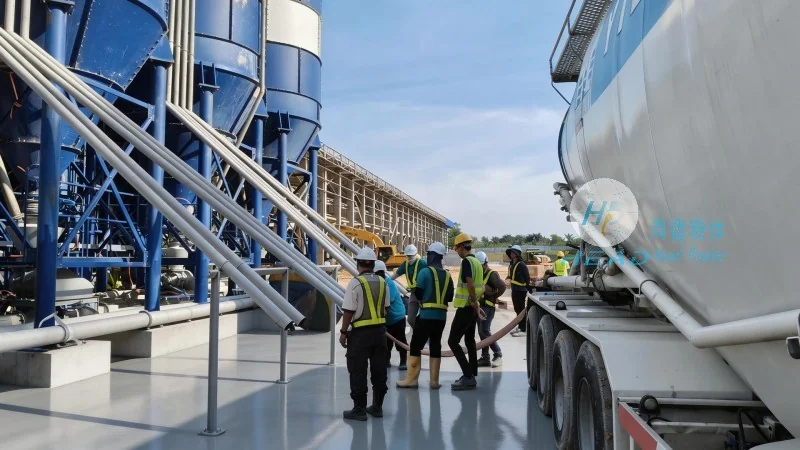
Rare earth powder pneumatic conveying equipment is a specialized system designed to transport fine powders, such as those derived from rare earth elements, using a pressurized or vacuum air stream. Unlike traditional mechanical conveyors, which may cause particle degradation or contamination, pneumatic systems provide a closed-loop environment that preserves the integrity of the material. The equipment typically consists of a hopper for material storage, a conveying line (either horizontal or vertical), and a separation unit to return excess air and separate the conveyed powder from the air stream.
Key Design Principles of Pneumatic Conveying Systems
The effectiveness of a rare earth powder pneumatic conveying system hinges on several critical design principles. First, the system must be engineered to handle the specific properties of rare earth powders, which often include high density, fine particle size, and potential moisture sensitivity. The design must ensure that the powder remains in a suspended state within the air stream to prevent clogging and ensure consistent flow. This is achieved through precise control of air velocity and pressure, which are tailored to the material's characteristics.
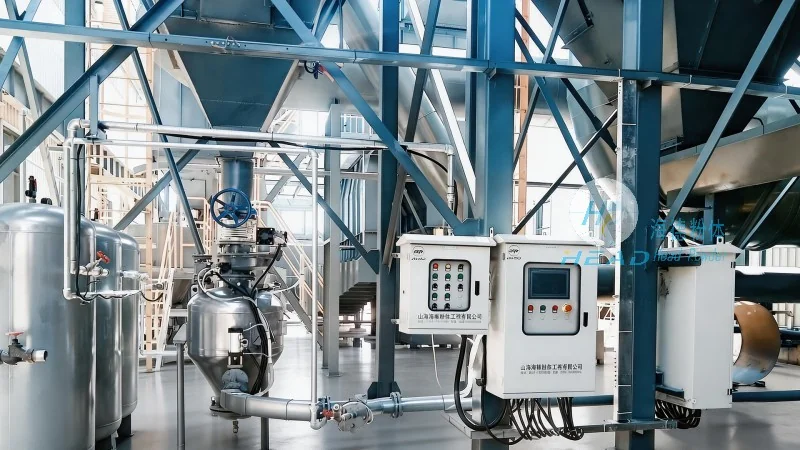
Second, the system's layout and components must be optimized for minimal pressure drop and energy efficiency. This involves selecting appropriate pipe diameters, bends, and fittings that reduce friction losses while maintaining sufficient air velocity to keep the powder suspended. The use of specialized valves, such as rotary airlocks and check valves, is essential to control the flow rate and prevent backflow, which could lead to material degradation or system failure.
Separation and Recovery Systems in Pneumatic Conveying
A critical component of any pneumatic conveying system is the separation and recovery unit. For rare earth powders, this unit must efficiently separate the powder from the air stream while minimizing loss of material. Common separation methods include cyclone separators, bag filters, and electrostatic precipitators. The choice of separation technology depends on the particle size distribution and the required level of purity. For rare earth powders, which are often used in high-value applications, the separation system must achieve high recovery rates and low residual dust levels to meet quality standards.
Material Handling Considerations for Rare Earth Powders
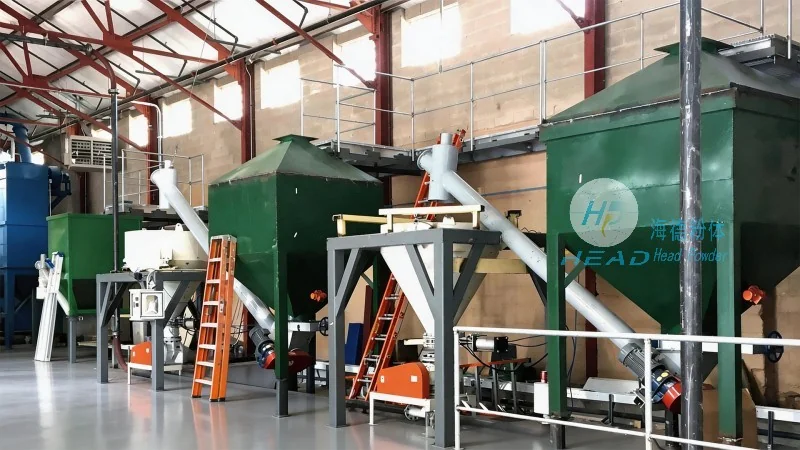
When designing a pneumatic conveying system for rare earth powders, several material-specific considerations must be addressed. The system must be constructed from materials that are compatible with the powder, such as stainless steel or specialized coatings, to prevent corrosion or contamination. Additionally, the equipment must be designed to handle variations in powder flow, such as agglomeration or bridging in the hopper, which can disrupt the conveying process. Solutions like vibratory feeders or air knives are often integrated to maintain consistent material flow and prevent blockages.
Applications and Benefits of Rare Earth Powder Pneumatic Conveying
Rare earth powder pneumatic conveying equipment is widely used in industries such as electronics, automotive, and renewable energy, where rare earth elements are critical components. The primary benefits of using pneumatic systems include improved product quality through reduced contamination, enhanced safety by eliminating manual handling of fine powders, and increased operational efficiency through automated material transport. Additionally, the closed-loop design of these systems minimizes environmental impact by containing dust and preventing emissions.
Conclusion
In summary, rare earth powder pneumatic conveying equipment is a sophisticated solution for handling fine, valuable powders. Its design is rooted in principles of fluid dynamics, material science, and engineering optimization, ensuring that the system can reliably transport rare earth powders while maintaining their quality and integrity. As industries continue to rely on rare earth elements for advanced technologies, the importance of efficient and reliable material handling systems like these will only grow. For businesses seeking to enhance their material transport processes, understanding the design principles and capabilities of pneumatic conveying systems is essential for achieving operational excellence.




