HeadPowder, a leading engineering firm based in Shandong, China, specializes in the design and implementation of advanced pneumatic conveying systems for polyvinyl chloride (PVC) materials. With a strong focus on efficiency, reliability, and safety, our systems are engineered to meet the unique demands of industrial applications, ensuring optimal performance and longevity. This article provides an in-depth look at the key aspects of designing PVC pneumatic conveying systems, highlighting the technical considerations and solutions offered by HeadPowder Engineering.
Company Overview and Expertise
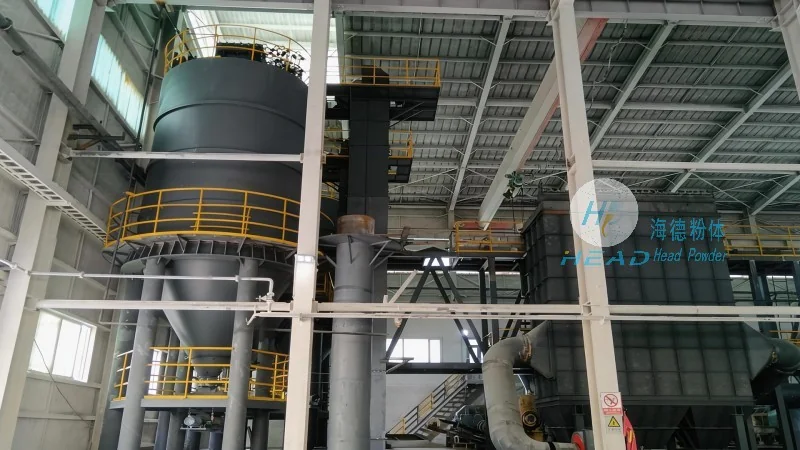
Shandong HeadPowder Engineering Co., Ltd., operating under the brand name HeadPowder, is a reputable company dedicated to providing high-quality engineering solutions for material handling and processing. Headquartered in Shandong, China, our team of experienced engineers and technicians brings decades of expertise in pneumatic conveying technology. We combine industry knowledge with cutting-edge design principles to deliver systems that are tailored to the specific needs of our clients, whether in manufacturing, construction, or other industrial sectors. Our commitment to quality and customer satisfaction has established us as a trusted partner in the field of material handling solutions.
Key Design Considerations for PVC Pneumatic Conveying
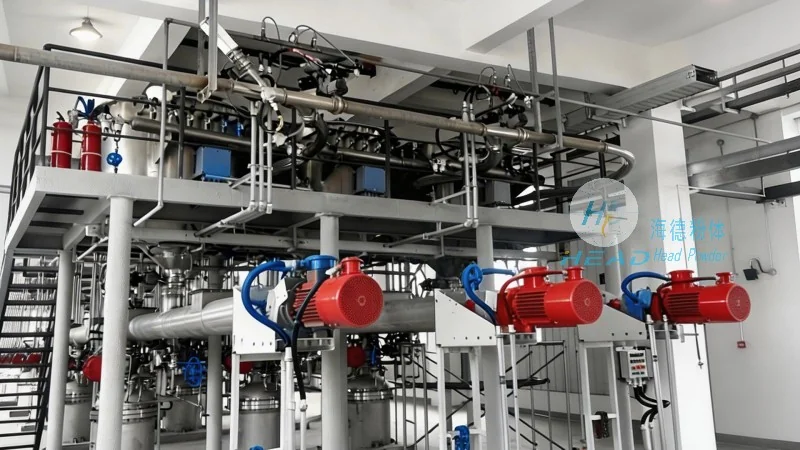
Designing an effective PVC pneumatic conveying system involves careful consideration of several critical factors. First, the physical properties of PVC, such as its density, moisture content, and particle size distribution, play a significant role in determining the system's performance. PVC is a non-combustible material, which simplifies fire safety considerations but requires attention to material flow characteristics. The system must be designed to handle the specific bulk density and flowability of PVC, ensuring consistent and reliable transport. Additionally, the choice of air velocity and pipeline configuration is crucial. Higher air velocities can increase conveying capacity but may also lead to higher energy consumption and potential wear on components. Our engineers use advanced computational fluid dynamics (CFD) and empirical data to optimize these parameters, balancing efficiency with operational costs. The system's layout, including the number and placement of feeders, cyclones, and receivers, is also a key design element. Proper placement of these components minimizes pressure drops and ensures smooth material flow, reducing the risk of blockages or system downtime.
System Components and Their Functionality
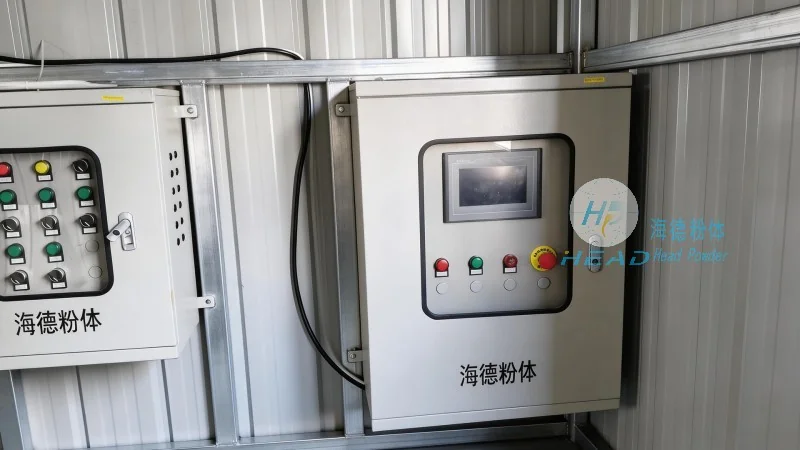
A PVC pneumatic conveying system typically consists of several core components, each playing a vital role in the overall operation. The primary components include the material feed hopper, which stores and feeds the PVC material into the system; the air supply system, which generates the necessary airflow to move the material; the conveying pipeline, which transports the material from the feed point to the discharge point; and the separation equipment, such as cyclones or filters, which separates the material from the air at the end of the line. The feed hopper is designed to maintain a consistent material level and prevent material bridging, which can cause flow interruptions. It may include features like vibrators or agitators to ensure smooth material discharge. The air supply system includes a blower or compressor, which provides the required air pressure and volume. The choice of equipment depends on the system's capacity and the distance the material needs to be conveyed. The conveying pipeline is usually made of durable materials like stainless steel or high-density polyethylene (HDPE) to withstand the abrasive nature of PVC particles and the effects of air pressure. The pipeline design considers factors like bends, elbows, and straight sections, with appropriate sizing to minimize pressure losses. The separation equipment, such as cyclones, uses centrifugal force to separate the material from the air. The separated material is collected in a receiver, while the air is either recirculated or discharged through a filter to remove any fine particles. This separation process is critical for maintaining system efficiency and preventing material loss.
Advantages of PVC Pneumatic Conveying Systems
Implementing a PVC pneumatic conveying system offers numerous advantages over traditional material handling methods. One of the most significant benefits is the ability to transport materials in a closed system, which reduces dust emissions and improves workplace safety. This is particularly important for PVC, which can generate fine particles that are hazardous if inhaled. The closed system also helps maintain material quality by preventing contamination from external sources. Another advantage is the flexibility of the system. Pneumatic conveying systems can be easily reconfigured or expanded to accommodate changes in production volume or material types. The system can handle a wide range of PVC formulations, from standard grades to specialty blends, without requiring significant modifications. Additionally, the system operates with minimal manual intervention, reducing labor costs and the risk of human error. The automated nature of the system ensures consistent material flow and reduces downtime due to maintenance or operational issues. Energy efficiency is another key advantage. Modern pneumatic conveying systems use high-efficiency blowers and optimized pipeline designs to minimize energy consumption while maintaining high conveying rates. This not only reduces operational costs but also aligns with environmental sustainability goals. The system's compact design allows for installation in confined spaces, making it suitable for facilities with limited floor space. Overall, PVC pneumatic conveying systems provide a reliable, efficient, and cost-effective solution for handling PVC materials in various industrial applications.
Customization and Application Examples
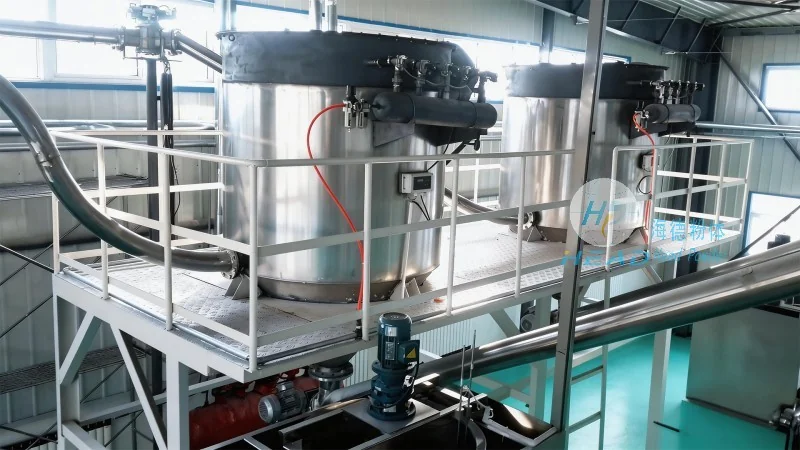
HeadPowder Engineering offers customized PVC pneumatic conveying systems tailored to the specific requirements of each client. Our team works closely with clients to understand their production processes, material characteristics, and operational goals, then designs a system that meets their needs. Customization options include different pipeline configurations, material feed rates, and separation equipment. For example, a client in the PVC manufacturing industry may require a system that can handle large volumes of granular PVC from a storage silo to a processing plant. Our engineers would design a system with a large feed hopper, high-capacity blower, and a network of pipelines to transport the material efficiently. Another application could be in the construction industry, where PVC pellets are transported from a storage area to a mixing plant. In this case, the system might include a smaller feed hopper and a more compact pipeline layout to fit within the construction site. HeadPowder's systems have been successfully implemented in various industries, including plastics manufacturing, chemical processing, and food processing. In each case, the system has improved material handling efficiency, reduced downtime, and enhanced overall operational performance. Our clients benefit from the expertise and experience of our team, ensuring that their PVC pneumatic conveying systems are optimized for their specific needs and provide long-term value.




