Phosphorus pentachloride (PCl₅) is a highly reactive and hazardous chemical widely used in industrial applications, including the production of pesticides, pharmaceuticals, and specialty chemicals. The safe and efficient handling of PCl₅ is critical due to its corrosive nature and potential for exothermic reactions during handling. Pneumatic conveying systems offer a reliable solution for transporting PCl₅ from storage to processing units, minimizing exposure risks and ensuring process efficiency. This article provides a detailed design approach for a PCl₅ pneumatic conveying system, highlighting key components, material considerations, and operational best practices.
System Overview and Design Objectives
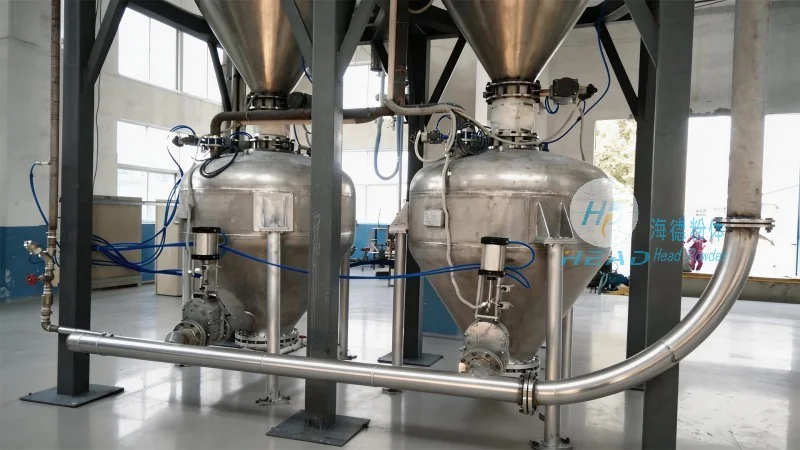
The primary objective of the PCl₅ pneumatic conveying system is to transport the chemical from a storage silo to a reaction or processing unit while maintaining safety standards and optimizing material flow. The system must address the unique challenges posed by PCl₅, such as its hygroscopic properties, corrosive behavior, and the need for explosion-proof and fire-resistant design. The design focuses on minimizing dust generation, controlling temperature, and ensuring proper ventilation to prevent accumulation of hazardous vapors.
Key Components of the PCl₅ Pneumatic Conveying System
The PCl₅ pneumatic conveying system consists of several critical components, each engineered to handle the specific demands of the chemical. These include:
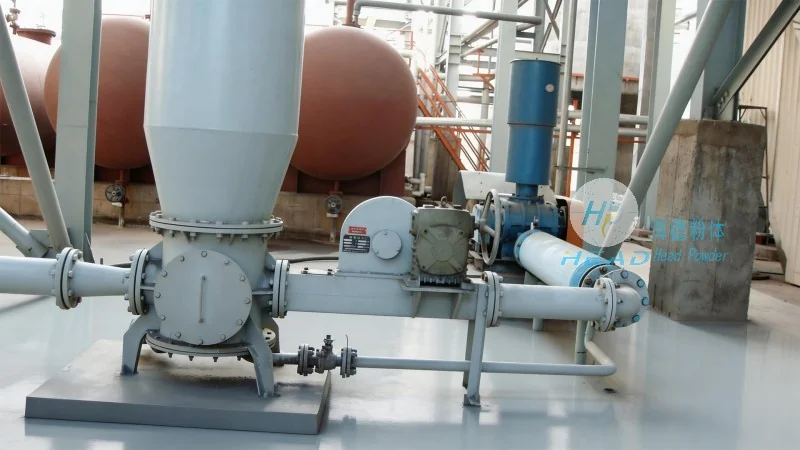
1. Storage Silo and Feeder: The system starts with a robust, corrosion-resistant storage silo made from materials like Hastelloy or PTFE-lined steel to withstand the chemical's aggressive nature. A rotary valve or screw feeder is used to control the flow of PCl₅ from the silo to the conveying line, ensuring a consistent and controlled feed rate.
2. Pneumatic Conveying Line: The conveying line is constructed from high-quality, corrosion-resistant materials such as stainless steel or PTFE-coated tubing. The line is designed with appropriate bends and elbows to minimize pressure drop and prevent material buildup. Explosion-proof motors and pneumatic actuators are used to drive the system, ensuring compliance with safety regulations.
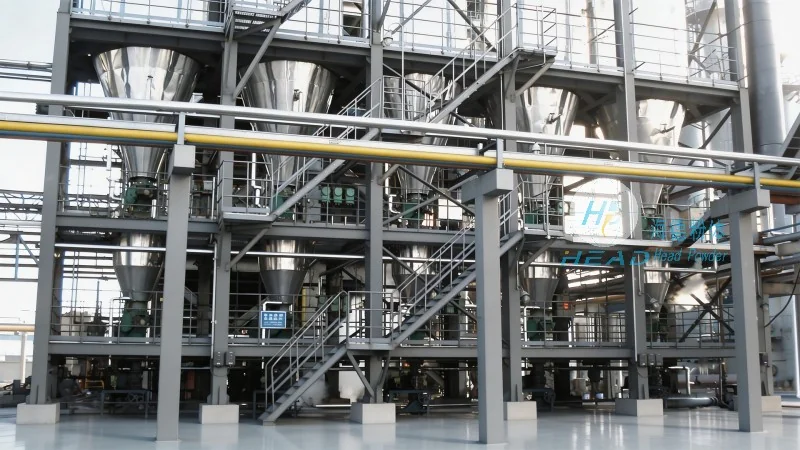
3. Receiver and Diverter: The receiving hopper is equipped with a venting system to control pressure and prevent over-pressurization. A diverter valve allows for flexible routing of the PCl₅ to different processing units, enhancing operational flexibility.
4. Ventilation and Filtration System: To manage the hazardous vapors and dust generated during conveying, an integrated ventilation and filtration system is essential. The system includes high-efficiency particulate air (HEPA) filters and explosion-proof fans to ensure safe exhaust of air containing PCl₅ vapors.
Material Selection and Corrosion Resistance
Given the corrosive nature of PCl₅, material selection is a critical factor in system design. Components in direct contact with the chemical, such as the silo, feeder, and conveying line, are typically made from Hastelloy C-276, PTFE, or high-grade stainless steel (e.g., 316L). These materials offer excellent resistance to corrosion and chemical attack, ensuring long-term system reliability. Additionally, all joints and connections are sealed with PTFE or PFA gaskets to prevent leaks and maintain system integrity.
Safety and Operational Considerations
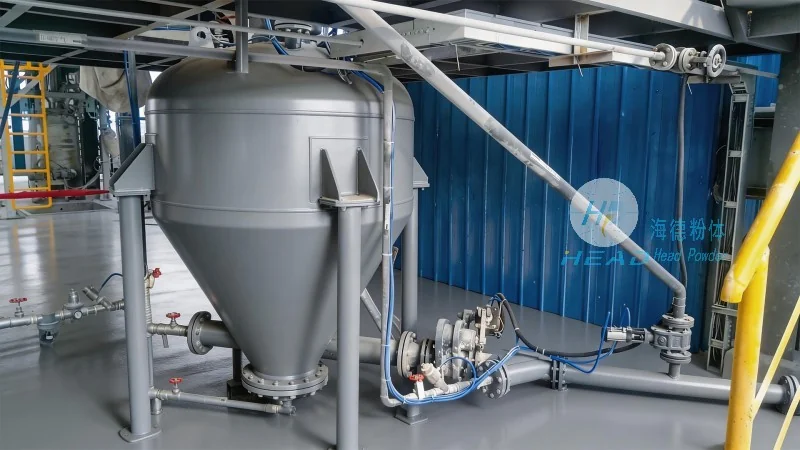
Safety is paramount in the design of a PCl₅ pneumatic conveying system. The system incorporates multiple safety features, including explosion-proof electrical components, pressure relief valves, and emergency shut-off mechanisms. Regular maintenance and monitoring of temperature and pressure are essential to prevent overheating or pressure buildup, which could lead to hazardous conditions. The system also includes a monitoring system to track flow rates and detect any blockages or malfunctions in real-time.
About Shandong HeadPowder Engineering Co., Ltd.
Shandong HeadPowder Engineering Co., Ltd., operating under the brand name headpowder, is a leading provider of specialized engineering solutions for chemical processing industries. With a focus on safety, efficiency, and innovation, the company designs and manufactures custom pneumatic conveying systems tailored to the unique needs of its clients. Headpowder's expertise in handling hazardous chemicals, such as PCl₅, has earned it a reputation for delivering reliable and high-performance systems that meet the most stringent safety and regulatory standards. The company's headquarters is located in Shandong, China, where it leverages advanced technology and skilled engineering teams to deliver cutting-edge solutions for the chemical industry.




