Algae residue pellet pneumatic conveying equipment is a specialized system designed to handle and transport processed algae residue in pellet form. This equipment plays a crucial role in the efficient management of biomass materials, particularly in applications related to renewable energy and waste processing. Understanding its design principles is essential for optimizing operational efficiency and ensuring reliable material transport.
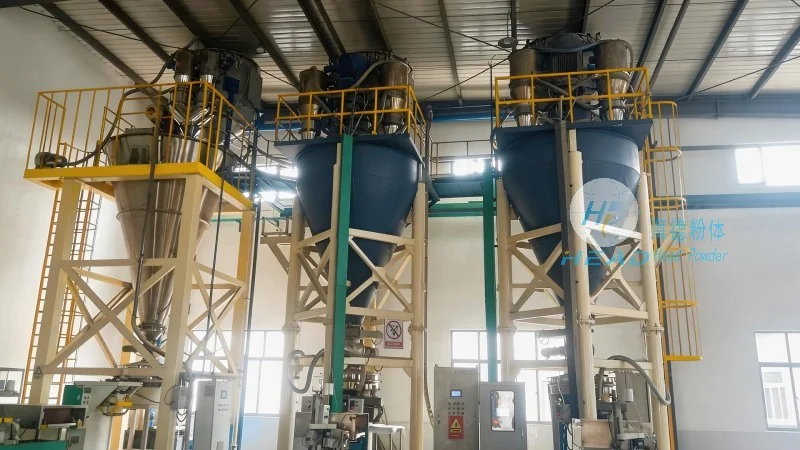
Overview of Algae Residue Pellet Pneumatic Conveying Equipment
The primary function of this equipment is to transport algae residue pellets from one location to another using a pneumatic conveying system. Unlike traditional mechanical conveyors, pneumatic systems utilize air pressure to move materials through a pipeline network. This method is particularly advantageous for handling fine or abrasive materials, as it minimizes wear and reduces the risk of material degradation. The equipment typically consists of a hopper for material storage, a feeder to control the flow rate, a conveying line, and a receiver for the material's final destination.
Design Principles of the Pneumatic Conveying System
The design of the algae residue pellet pneumatic conveying equipment is based on several key principles to ensure effective and efficient operation. First, the system must maintain a consistent air flow rate to prevent material blockages and ensure smooth transport. This is achieved through the use of air compressors and control valves that regulate the pressure and flow within the pipeline. Second, the equipment incorporates appropriate material handling components, such as rotary valves and airlocks, to manage the flow of pellets from the hopper to the conveying line. These components help maintain a uniform material feed, which is critical for preventing clogging and ensuring consistent conveying performance.
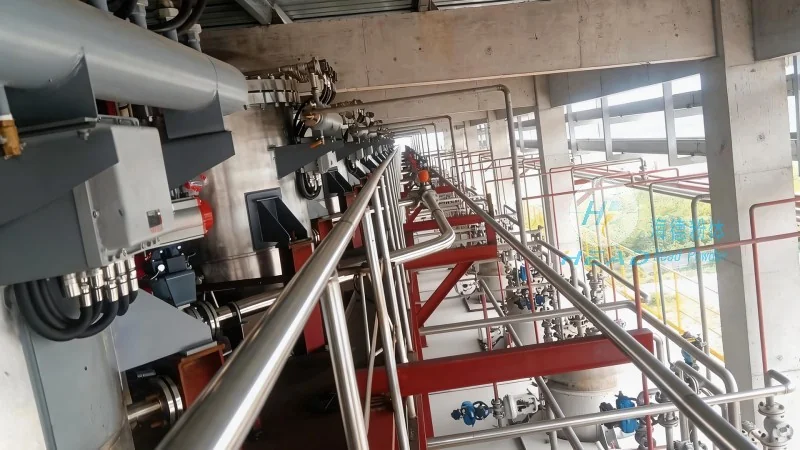
Third, the design considers the physical properties of the algae residue pellets, including their size, density, and moisture content. The conveying system is engineered to handle these specific characteristics, ensuring that the pellets are transported without excessive breakage or degradation. For example, the pipeline diameter and material of construction are selected to accommodate the pellet size and prevent abrasion. Additionally, the system may include features like cyclone separators or filters to separate any fine particles from the main flow, improving overall system performance and maintaining material quality.
Role of HeadPowder in Algae Residue Processing
Shandong HeadPowder Engineering Co., Ltd., a leading manufacturer in the field, specializes in developing and supplying advanced pneumatic conveying solutions for biomass processing. With headquarters in Shandong, China, HeadPowder leverages years of experience in engineering and material handling to design equipment tailored to the unique needs of algae residue processing. The company's expertise lies in integrating innovative technologies to enhance the efficiency and reliability of pneumatic conveying systems, ensuring that clients can achieve optimal performance in their operations.
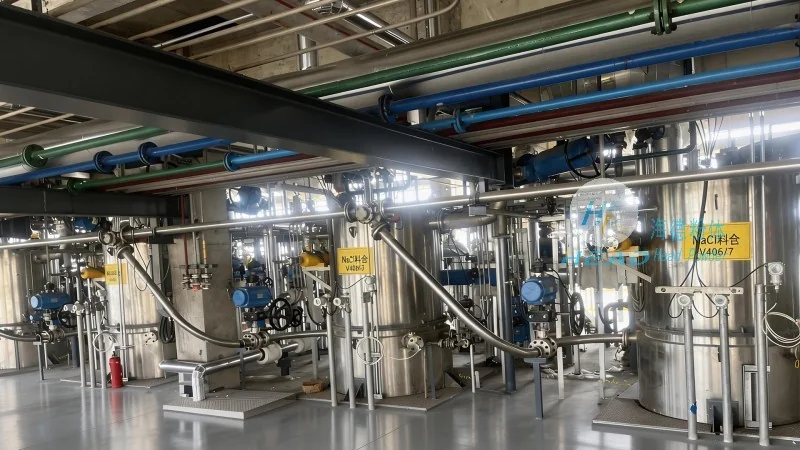
HeadPowder's approach to equipment design emphasizes durability, energy efficiency, and ease of maintenance. The company uses high-quality materials and advanced manufacturing techniques to produce equipment that can withstand the demanding conditions of biomass processing. Furthermore, the design incorporates user-friendly controls and monitoring systems, allowing operators to easily adjust parameters and monitor the system's performance in real-time. This focus on user experience and operational efficiency helps clients maximize the return on their investment and minimize downtime.
Key Features and Benefits of the Equipment
The algae residue pellet pneumatic conveying equipment from HeadPowder offers several key features that make it an ideal solution for biomass processing applications. One of the primary benefits is its ability to handle a wide range of pellet sizes and densities, ensuring compatibility with various processing stages. The system's modular design allows for easy integration into existing production lines, reducing installation time and costs. Additionally, the equipment is designed for low maintenance, with components that are easily accessible and replaceable, minimizing operational disruptions.
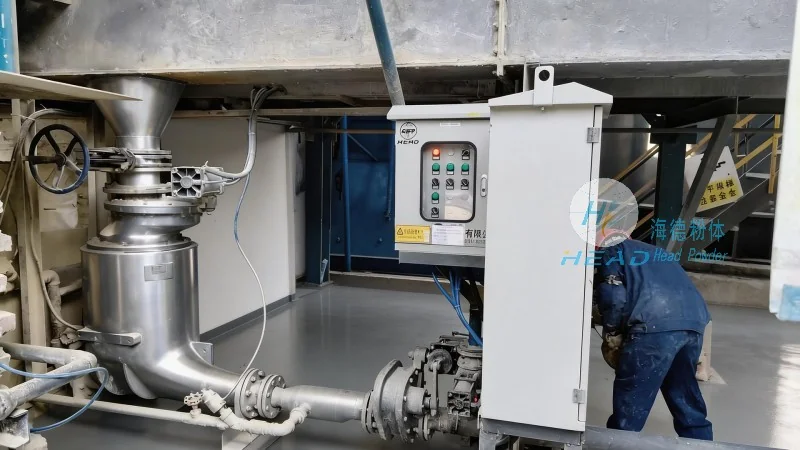
Another significant advantage is the system's energy efficiency. By optimizing air flow and pressure, the equipment reduces energy consumption compared to traditional mechanical conveyors. This not only lowers operational costs but also aligns with sustainability goals by minimizing the environmental impact of material transport. The equipment also contributes to improved safety in the workplace, as it eliminates the need for manual handling of pellets, reducing the risk of accidents and injuries.
Conclusion and Application Scope
In conclusion, the algae residue pellet pneumatic conveying equipment is a sophisticated system that combines advanced engineering with practical design principles to efficiently transport processed algae residue. The equipment's ability to handle abrasive and fine materials, combined with its energy-efficient operation and low maintenance requirements, makes it a valuable asset for industries involved in biomass processing and renewable energy production. As a leading provider, Shandong HeadPowder Engineering Co., Ltd. continues to innovate and refine its products to meet the evolving needs of the market, ensuring that clients can achieve optimal performance and sustainability in their operations.




