Understanding the Molybdenum Oxide Pneumatic Conveying System and Its Design Principles
Introduction to Molybdenum Oxide Pneumatic Conveying Systems
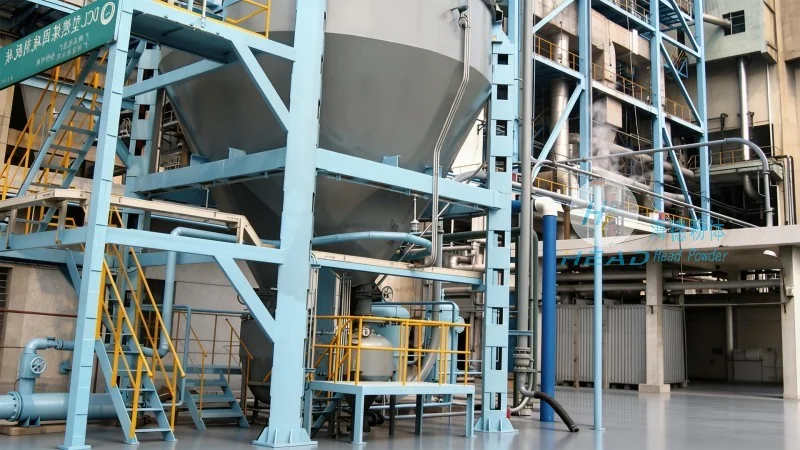
A Molybdenum Oxide Pneumatic Conveying System is a specialized industrial equipment designed to transport molybdenum oxide powder through a pipeline using compressed air or other gas. This technology is widely used in the chemical and metallurgical industries due to its efficiency in handling fine powders and its ability to maintain product purity during the conveying process. The system typically consists of several key components, including a hopper, a feeder, a pipeline, and a receiver, all working in tandem to ensure smooth and reliable material transport. The design of such a system is crucial as it directly impacts the system's performance, efficiency, and operational safety.
Key Components of a Molybdenum Oxide Pneumatic Conveying System
The Molybdenum Oxide Pneumatic Conveying System by Shandong HeadPowder Engineering Co., Ltd. incorporates several essential components that work together to achieve effective material handling. The first component is the hopper, which serves as the storage container for the molybdenum oxide powder. It is designed with a conical or rectangular shape to facilitate the flow of the powder into the feeder. The hopper is usually made of corrosion-resistant materials such as stainless steel to ensure durability and to prevent contamination of the material. The feeder is another critical component, responsible for controlling the flow rate of the powder from the hopper into the pipeline. There are different types of feeders, including rotary valves, star feeders, and vibratory feeders, each with its own advantages depending on the specific application requirements. The feeder ensures that the material is fed at a consistent rate, preventing blockages and maintaining the system's efficiency.
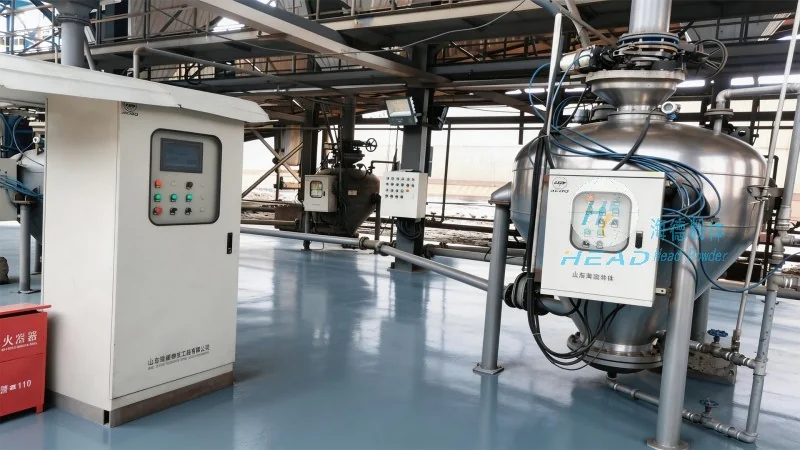
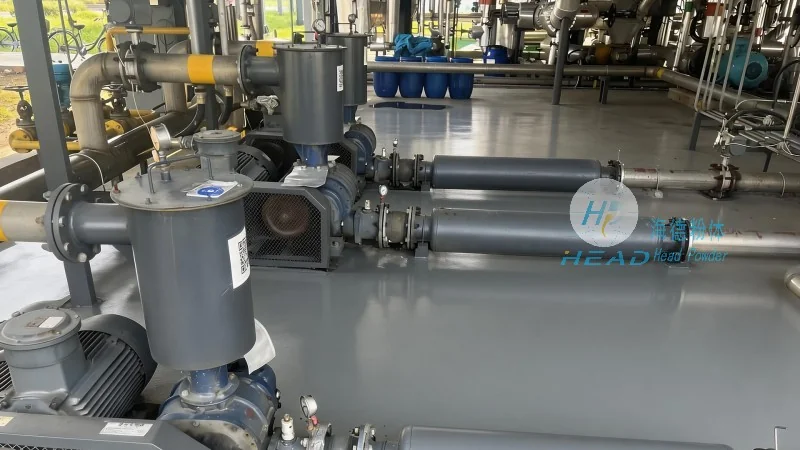
The pipeline is the main conduit through which the molybdenum oxide powder is transported. It is typically made of materials like stainless steel or plastic, depending on the properties of the material being conveyed. The pipeline is designed with smooth inner surfaces to minimize friction and reduce the risk of material buildup or clogging. The diameter of the pipeline is carefully selected based on the flow rate and the particle size of the molybdenum oxide powder. A larger diameter may be used for higher flow rates or larger particles, while a smaller diameter is suitable for finer powders. The pipeline may also include bends and elbows, which are designed with smooth transitions to avoid turbulence and pressure losses. The receiver is the final component of the system, where the conveyed molybdenum oxide powder is deposited. It is usually a hopper or a container designed to collect the material and prevent spillage. The receiver is often equipped with a discharge valve to allow for easy removal of the material.
Design Principles for Molybdenum Oxide Pneumatic Conveying Systems
The design principles of a Molybdenum Oxide Pneumatic Conveying System are based on several key factors, including the material properties, the required flow rate, and the system's operating environment. The first principle is to ensure that the system is designed to handle the specific characteristics of molybdenum oxide powder. Molybdenum oxide is a fine powder with a certain density and flowability. The system must be designed to accommodate these properties, ensuring that the powder flows smoothly and without segregation. The second principle is to maintain the purity of the material during the conveying process. This is achieved by using materials that are resistant to corrosion and contamination, and by designing the system to minimize contact with air or other gases that could affect the material's quality. The third principle is to ensure the system's efficiency and energy savings. The design should aim to minimize pressure losses and energy consumption by optimizing the pipeline diameter, the number of bends, and the flow rate. The fourth principle is to ensure the system's safety and reliability. This includes designing the system with safety features such as pressure relief valves, emergency shut-off valves, and proper ventilation to prevent the accumulation of dust or gas. The fifth principle is to consider the space constraints and the layout of the facility. The system should be designed to fit within the available space and to be easily accessible for maintenance and cleaning.
Advantages of Using a Molybdenum Oxide Pneumatic Conveying System
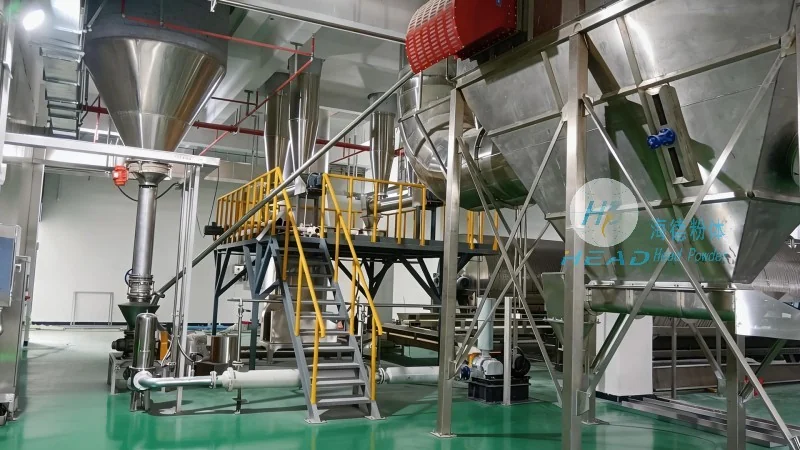
There are several advantages of using a Molybdenum Oxide Pneumatic Conveying System compared to traditional methods such as belt conveyors or bucket elevators. The first advantage is the ability to handle fine powders without segregation or loss of material. The system uses a closed pipeline, which prevents the material from being exposed to the environment and from being contaminated. The second advantage is the high efficiency and speed of material transport. The system can transport molybdenum oxide powder over long distances at high speeds, reducing the time and labor required for material handling. The third advantage is the low maintenance cost. The system has fewer moving parts compared to traditional conveyors, which reduces the need for frequent maintenance and replacement of parts. The fourth advantage is the flexibility of the system. The system can be easily modified to accommodate changes in the flow rate or the material properties, making it suitable for various applications. The fifth advantage is the safety of the system. The closed pipeline prevents the release of dust or gas, reducing the risk of explosions or health hazards. The system is also equipped with safety features such as pressure relief valves and emergency shut-off valves to ensure the safety of the operators.
Applications of Molybdenum Oxide Pneumatic Conveying Systems
Molybdenum Oxide Pneumatic Conveying Systems are widely used in various industries, including the chemical industry, metallurgical industry, and pharmaceutical industry. In the chemical industry, the system is used to transport molybdenum oxide powder to reactors or storage tanks. In the metallurgical industry, the system is used to transport molybdenum oxide powder to furnaces or smelting equipment. In the pharmaceutical industry, the system is used to transport molybdenum oxide powder to mixing or packaging equipment. The system is also used in other industries such as food processing and ceramics, where fine powders need to be transported efficiently and safely. The system's ability to handle fine powders and maintain product purity makes it an ideal choice for these applications.
Conclusion
In conclusion, a Molybdenum Oxide Pneumatic Conveying System is a highly efficient and reliable method for transporting molybdenum oxide powder. The system is designed with several key components and follows specific design principles to ensure its performance and safety. The system offers several advantages over traditional methods, including high efficiency, low maintenance cost, and safety. The system is widely used in various industries and is an essential part of the material handling process. Shandong HeadPowder Engineering Co., Ltd. is a leading manufacturer of such systems, providing high-quality and reliable equipment for various applications. With its expertise and experience, the company ensures that its systems meet the highest standards of performance and safety.




