

Design Considerations for Corn Pneumatic Conveying Systems
When designing a corn pneumatic conveying system, several key factors must be considered to ensure efficiency, reliability, and longevity. These systems are integral to the agricultural processing industry, facilitating the transport of corn from storage to processing facilities. A well-designed system not only optimizes operational performance but also minimizes maintenance costs and reduces downtime. The following considerations are essential for achieving these goals.
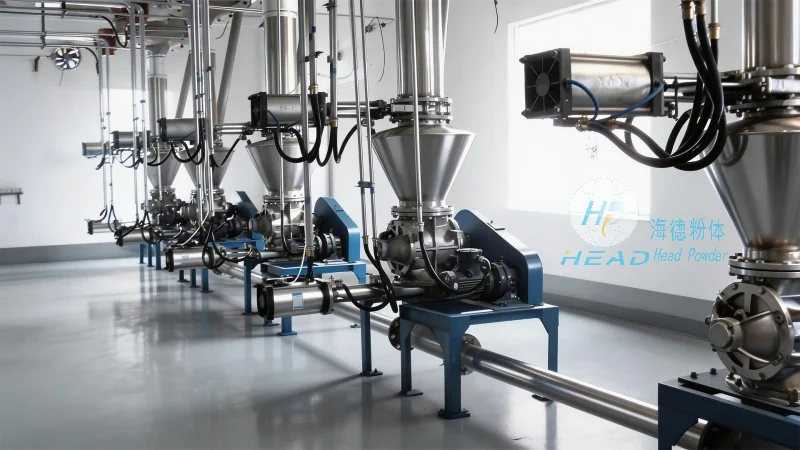
About HeadPowder: A Leader in Pneumatic Conveying Solutions
HeadPowder, a division of Shandong HeadPowder Engineering Co., Ltd., is a trusted provider of advanced pneumatic conveying systems tailored for agricultural applications. With a strong presence in China, particularly in Shandong province, the company has built a reputation for delivering high-quality, customized solutions that meet the specific needs of corn processing operations. Our expertise lies in understanding the unique challenges of corn handling, such as moisture content variations, particle size, and flow characteristics, and designing systems that address these challenges effectively.
Key Design Considerations for Efficient Corn Pneumatic Conveying
Choosing the appropriate system type is the first critical step. Positive pressure systems, which use a blower to push air and material through the pipeline, are ideal for short to medium distances and when handling abrasive materials like corn. Negative pressure systems, on the other hand, use a vacuum to draw material into the system, making them suitable for long-distance transport or when the material needs to be collected from multiple points. The choice between these systems depends on factors such as the distance between the source and destination, the required flow rate, and the overall layout of the processing facility.
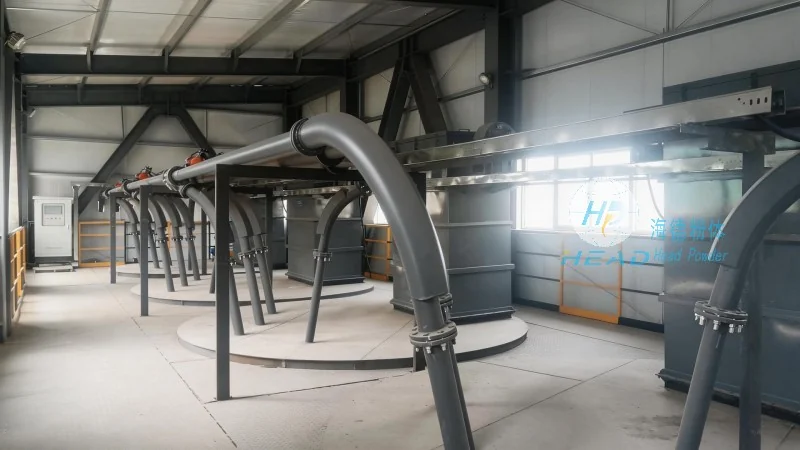
Another crucial aspect is the design of the pipeline. The diameter and material of the pipes must be selected based on the corn's particle size and flow rate. Larger particles may require larger diameter pipes to prevent blockages, while smaller particles can be conveyed in narrower pipes. Additionally, the use of smooth, corrosion-resistant materials like stainless steel or PVC is essential to minimize friction and ensure consistent flow. Proper pipe support and alignment are also vital to prevent sagging or kinking, which can disrupt the conveying process and cause damage to the system.
The air-to-solid ratio (air-to-corn ratio) is a critical parameter that directly impacts the system's efficiency. An optimal ratio ensures that the corn particles are fully suspended in the air stream, preventing deposition and ensuring smooth transport. Too low a ratio may result in insufficient suspension, leading to blockages, while too high a ratio increases energy consumption and reduces efficiency. Engineers must calculate the ideal ratio based on the corn's bulk density, particle size distribution, and the system's pressure and flow characteristics.
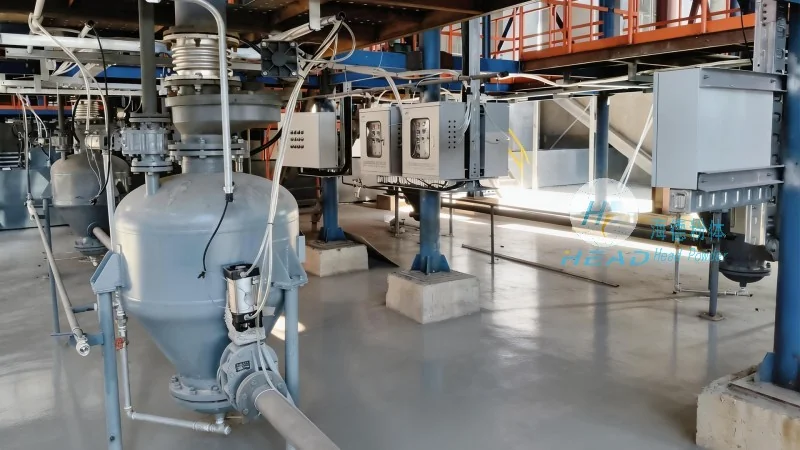
Equipment selection, including the blower or vacuum pump, is another key consideration. The capacity of the air-moving device must match the system's requirements to maintain the desired pressure and flow. High-efficiency, low-noise blowers are preferred to minimize energy costs and environmental impact. Additionally, the use of filters and cyclones is essential to remove dust and debris from the air stream, protecting downstream equipment and ensuring compliance with environmental regulations.
Maintenance and operational considerations also play a significant role in the long-term success of a corn pneumatic conveying system. Regular cleaning of the pipeline and equipment, as well as monitoring of pressure and flow rates, are necessary to prevent clogging and ensure consistent performance. Proper training for operators on system operation and troubleshooting is also critical to minimize downtime and extend the system's lifespan.
Customized Solutions from HeadPowder for Optimal Performance
HeadPowder specializes in designing and manufacturing customized corn pneumatic conveying systems that address the unique challenges of each client's operation. Our team of engineers works closely with clients to understand their specific requirements, including the type and quantity of corn being handled, the distance of transport, and the desired flow rate. By leveraging our expertise and state-of-the-art technology, we develop systems that are not only efficient but also cost-effective and reliable.
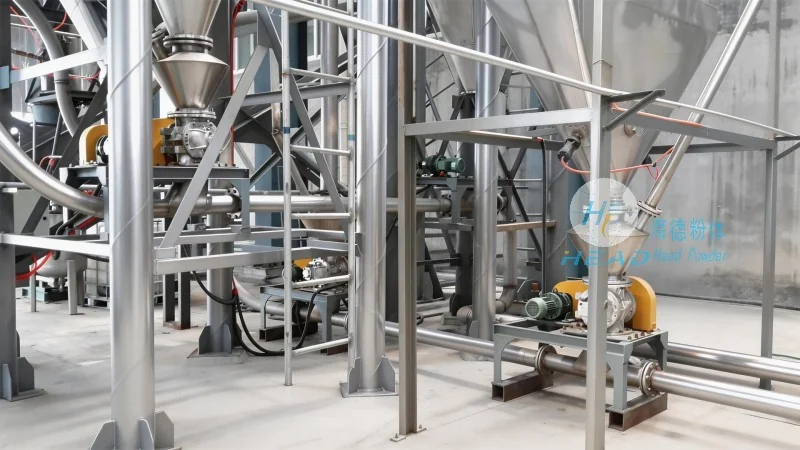
Our commitment to quality and customer satisfaction is reflected in our rigorous testing and quality control processes. Each system is thoroughly tested before delivery to ensure it meets or exceeds industry standards. Additionally, we provide comprehensive after-sales support, including maintenance services and technical assistance, to ensure our clients can maximize the performance of their systems for years to come.
Conclusion: Trust HeadPowder for Your Corn Pneumatic Conveying Needs
Designing an effective corn pneumatic conveying system requires careful consideration of multiple factors, from system type and pipeline design to equipment selection and maintenance. At Shandong HeadPowder Engineering Co., Ltd., we have the expertise and experience to deliver customized solutions that meet the highest standards of efficiency and reliability. Whether you are a new or existing corn processing facility, our team is ready to assist you in selecting and implementing the right system for your needs. Contact HeadPowder today to learn more about our pneumatic conveying solutions and how we can help optimize your corn handling operations.