

Design Considerations for Bentonite Pneumatic Conveying Systems
Bentonite, a versatile clay material widely used in various industrial applications, requires specialized handling and transportation methods to ensure efficiency and safety. The design of a pneumatic conveying system for bentonite is a critical process that involves several key considerations to optimize performance and minimize operational issues. This article outlines essential design factors that professionals in the field should consider when developing a bentonite pneumatic conveying system.
Material Properties and Flow Characteristics
Before designing a pneumatic conveying system for bentonite, it is crucial to understand the material's physical properties. Bentonite is known for its high moisture content and fine particle size, which can significantly affect the flow behavior. The system must be designed to handle these characteristics effectively. For instance, the particle size distribution and moisture level determine the required air velocity and pressure to maintain a stable flow. A thorough analysis of these properties helps in selecting the appropriate conveying line diameter, air flow rate, and pressure levels. This ensures that the material moves smoothly without clogging or excessive pressure drops.
System Configuration and Components
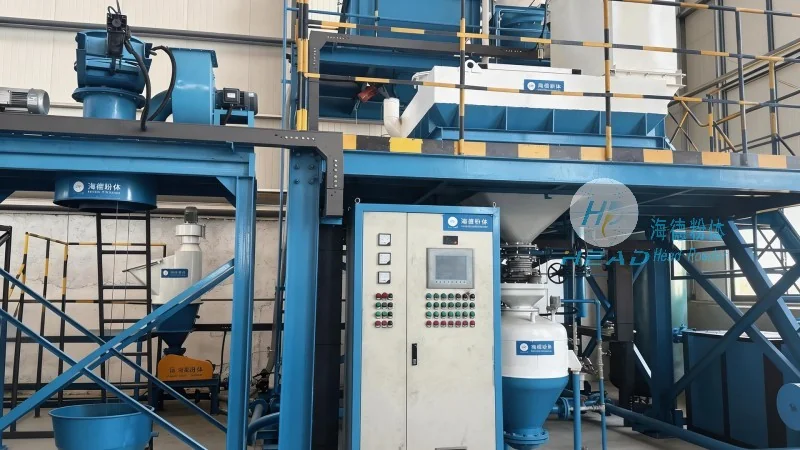
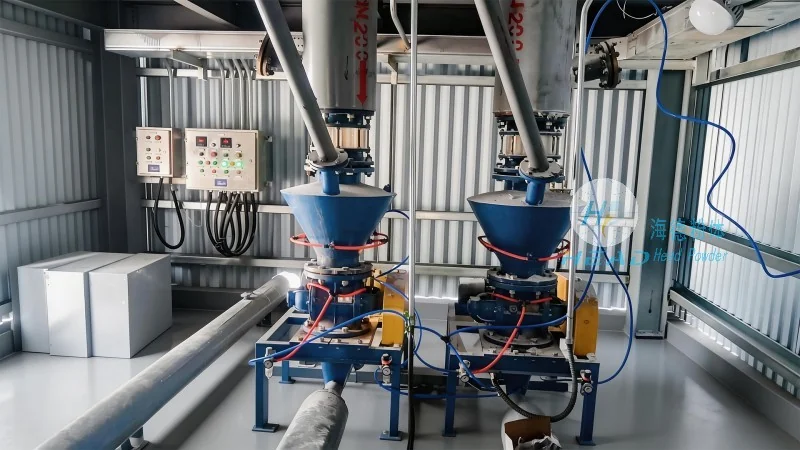
The configuration of the pneumatic conveying system plays a vital role in its performance. The system typically consists of a hopper, a rotary valve, a blower or compressor, conveying lines, and a receiver. Each component must be carefully selected and sized based on the application requirements. The hopper design should accommodate the bulk density and flow characteristics of bentonite, preventing bridging or rat-holing. The rotary valve, often used as a feeder, must be capable of handling fine, dry powders without blockages. The blower or compressor provides the necessary air pressure and volume to transport the material. The conveying line diameter and length are critical parameters that affect the system's efficiency. Proper sizing ensures that the air velocity is sufficient to keep the material suspended and prevents deposition on the pipe walls. The receiver, where the material is deposited, should be designed to minimize dust emissions and facilitate easy discharge.
Pressure and Air Flow Management
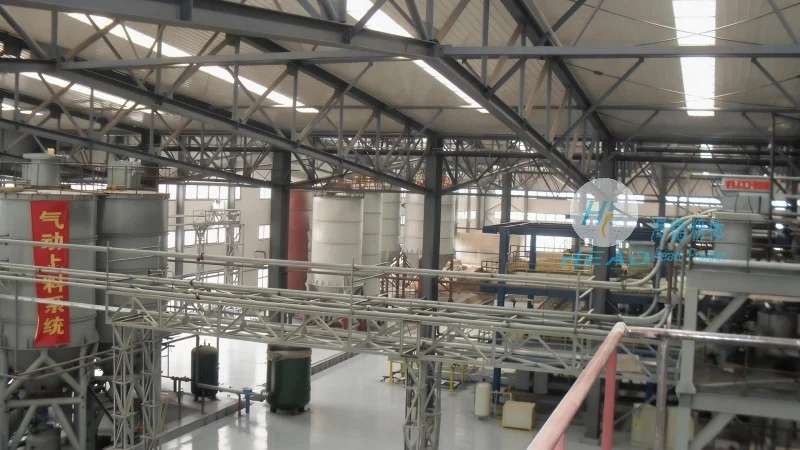
Effective management of pressure and air flow is essential for a reliable bentonite pneumatic conveying system. The system operates under either positive or negative pressure, depending on the application. Positive pressure systems are common for conveying materials to higher elevations or over long distances, while negative pressure systems are used for material recovery or when the receiving point is lower than the source. The air flow rate must be precisely controlled to maintain the material in a suspended state. Excessive air flow can lead to high energy consumption and potential damage to downstream equipment, while insufficient flow may cause clogging or uneven material distribution. Advanced control systems, such as variable frequency drives (VFDs) for the blower, allow for dynamic adjustment of air flow based on real-time conditions, optimizing energy use and system performance.
Material Handling and Safety Considerations
Ensuring safe and efficient material handling is a top priority in the design of bentonite pneumatic conveying systems. Bentonite can be dusty and may require dust suppression measures to comply with environmental regulations. The system should include features like dust collection and filtration to minimize airborne particles. Additionally, the equipment must be designed to handle the material's moisture content without causing corrosion or equipment wear. Regular maintenance and monitoring are essential to prevent issues such as clogging or pressure buildup. Safety features, including pressure relief valves and emergency shut-off mechanisms, are critical to protect personnel and equipment from potential hazards. Proper training for operators on the safe operation of the system is also a key consideration to ensure long-term reliability and compliance with safety standards.
Integration with Existing Infrastructure
When designing a new pneumatic conveying system or retrofitting an existing one, integration with the surrounding infrastructure is important. The system must be compatible with the existing facilities, including storage, processing, and transportation equipment. This involves coordinating the system's dimensions, pressure levels, and material flow rates with the existing processes. The location of the system, including the placement of the hopper, blower, and receiver, should be selected to minimize the impact on the overall plant layout and operational flow. Proper planning and coordination with other departments, such as engineering and operations, ensure that the new system integrates smoothly without disrupting current operations. This approach helps in achieving a seamless transition and maximizing the benefits of the new conveying system.
Long-Term Performance and Maintenance
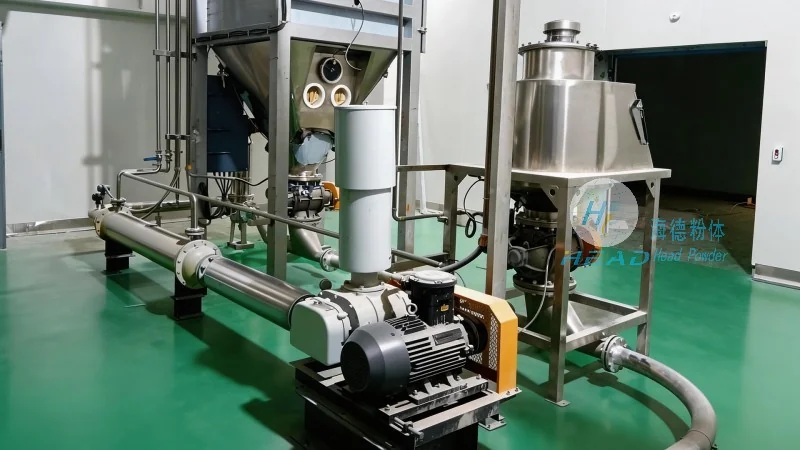
The long-term performance and maintenance of a bentonite pneumatic conveying system are critical factors to consider during the design phase. The system should be designed with durability and ease of maintenance in mind. Materials used for the conveying lines, such as stainless steel or high-density polyethylene, must be resistant to corrosion and wear caused by the fine particles and moisture in bentonite. Regular cleaning and inspection of the system components are necessary to prevent buildup and ensure consistent performance. The design should include easy access points for maintenance, such as removable sections of the conveying line or accessible valves. This reduces downtime and maintenance costs over the system's lifespan. Additionally, incorporating monitoring systems, such as pressure sensors and flow meters, allows for real-time performance tracking and early detection of potential issues, enabling proactive maintenance and extending the system's operational life.
Conclusion
Designing a pneumatic conveying system for bentonite requires a comprehensive approach that considers material properties, system components, pressure management, safety, and integration with existing infrastructure. By addressing these key design considerations, engineers can develop a system that is efficient, reliable, and safe for handling bentonite. The expertise of companies like Shandong HeadPowder Engineering Co., Ltd., with their focus on tailored solutions for industrial material handling, plays a crucial role in ensuring the success of such systems. With proper design and maintenance, bentonite pneumatic conveying systems can provide consistent performance and contribute to the overall efficiency of industrial processes.