Carbonate sodium, also known as sodium carbonate (Na₂CO₃), is a widely used chemical in various industrial applications. The efficient and safe transportation of this material is crucial for maintaining production efficiency and ensuring product quality. Among the various delivery methods available, pneumatic conveying stands out as a highly effective solution. This article provides an overview of the different carbonate sodium transport methods, with a focus on the advantages and characteristics of pneumatic conveying, presented by Shandong HeadPowder Engineering Co., Ltd., a leading provider in the field.
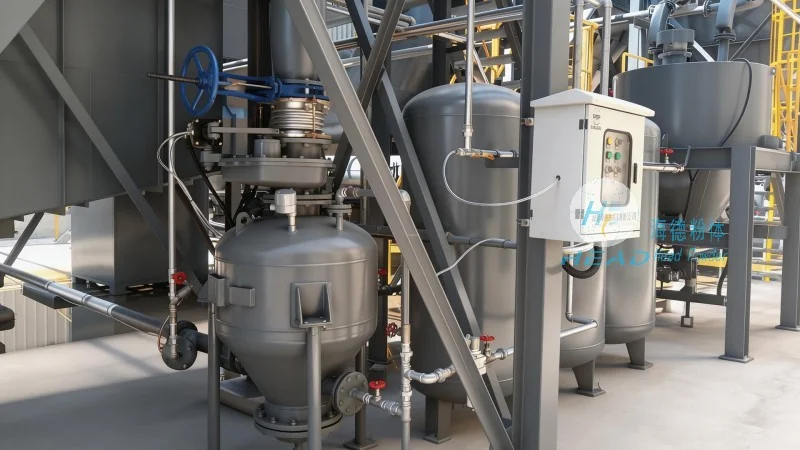
Introduction to Carbonate Sodium and Its Transportation Needs
Carbonate sodium, or sodium carbonate (Na₂CO₃), is a white crystalline solid commonly used in industries such as glass manufacturing, detergents, and water treatment. Due to its chemical properties and the need for precise handling, the transportation of carbonate sodium requires specialized equipment and methods to ensure safety and efficiency. Traditional methods like belt conveyors or bucket elevators may not be suitable for all applications, especially when dealing with fine powders or when a high degree of cleanliness is required. This is where pneumatic conveying systems offer significant advantages.
Pneumatic Conveying: A Comprehensive Overview
Pneumatic conveying is a technology that uses compressed air or other gases to transport bulk materials like carbonate sodium through a pipeline system. The process involves creating a flow of air that carries the material from the source to the destination. There are two main types of pneumatic conveying: dilute phase and dense phase. Dilute phase systems are suitable for transporting materials over short to medium distances at relatively high speeds, while dense phase systems are ideal for longer distances or when a more controlled and gentle transport is needed.
Advantages of Pneumatic Conveying for Carbonate Sodium
When considering the transportation of carbonate sodium, pneumatic conveying offers several key advantages that make it a preferred choice for many industries. Firstly, it provides a clean and dust-free environment, which is essential for maintaining product purity and meeting stringent quality standards. Unlike mechanical conveyors that can generate dust and cause contamination, pneumatic systems keep the material enclosed within the pipeline, reducing the risk of product degradation or environmental pollution.
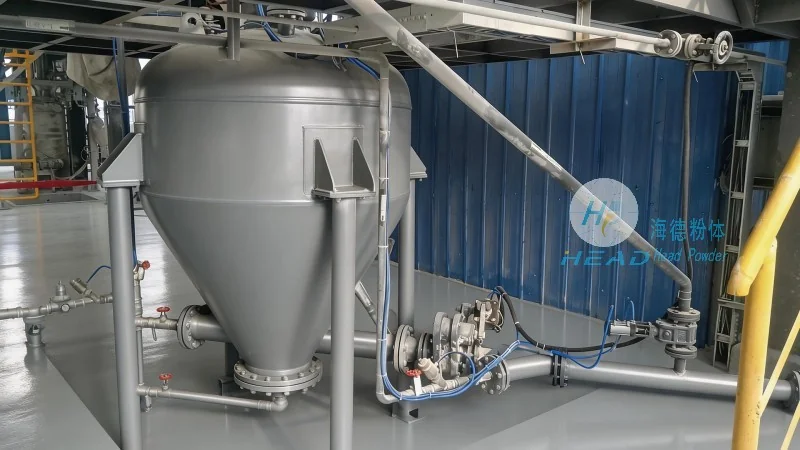
Secondly, pneumatic conveying allows for a more flexible and scalable system. The pipeline layout can be easily adjusted to accommodate changes in production processes or facility expansions. This flexibility is particularly valuable in industries where production volumes fluctuate or where multiple destinations are required. Additionally, pneumatic systems can handle a wide range of material characteristics, including fine powders, granules, and even sticky materials, without the need for additional processing or conditioning.
Key Features of Pneumatic Conveying Systems for Carbonate Sodium
Shandong HeadPowder Engineering Co., Ltd. specializes in designing and manufacturing high-quality pneumatic conveying systems tailored to the specific needs of carbonate sodium transportation. These systems are equipped with advanced components that ensure optimal performance and reliability. For instance, the use of high-efficiency filters and separators helps maintain the purity of the conveyed material by removing any entrained air or dust particles. The system also incorporates pressure regulators and flow control valves to ensure consistent and controlled material flow, preventing blockages or overloading of the pipeline.
Another important feature is the ability to integrate the pneumatic conveying system with other processing equipment, such as storage silos, mixers, or reactors. This integration allows for a seamless flow of material from the source to the processing stage, minimizing downtime and improving overall operational efficiency. The systems are also designed with safety in mind, incorporating pressure relief valves and emergency shut-off mechanisms to prevent accidents and ensure the well-being of operators.
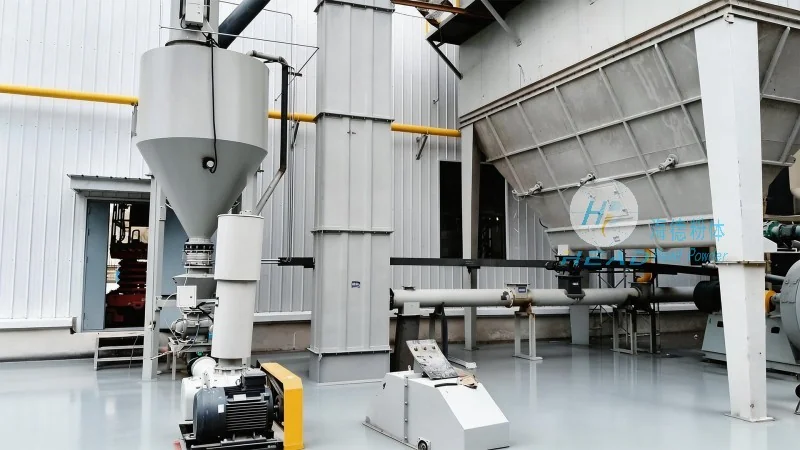
Comparing Pneumatic Conveying with Other Transport Methods
While other transport methods like belt conveyors or screw conveyors are commonly used, they have limitations when it comes to handling fine powders or maintaining product integrity. Belt conveyors, for example, can cause material degradation due to friction and can generate dust, which may affect the quality of the carbonate sodium. Screw conveyors, on the other hand, are prone to clogging and may not be suitable for sticky or cohesive materials. In contrast, pneumatic conveying systems offer a more gentle and controlled transport method that minimizes product damage and maintains its quality throughout the process.
Furthermore, pneumatic conveying systems are generally more energy-efficient compared to some mechanical alternatives, especially when transporting materials over longer distances. The use of compressed air as the conveying medium allows for a more uniform and consistent flow, reducing the need for frequent maintenance and repairs. This results in lower operational costs and increased longevity of the equipment.
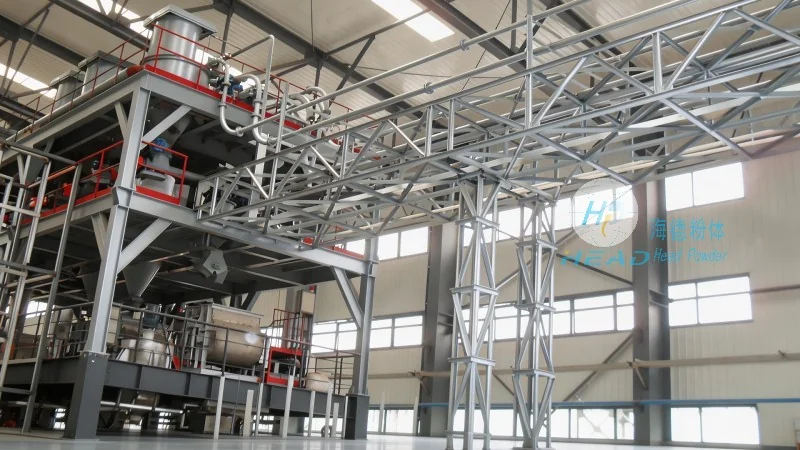
Applications of Pneumatic Conveying in Carbonate Sodium Handling
The versatility of pneumatic conveying systems makes them suitable for a wide range of applications in the handling of carbonate sodium. In the glass industry, for example, pneumatic systems are used to transport raw materials like soda ash (a form of carbonate sodium) from storage silos to the glass melting furnaces. The gentle and dust-free transport ensures that the material remains in its optimal condition, contributing to the quality of the final glass product. In the detergent industry, pneumatic conveying is used to move carbonate sodium from production lines to packaging facilities, maintaining the purity of the product and preventing contamination.
In water treatment plants, pneumatic systems are employed to transport carbonate sodium for pH adjustment and water softening processes. The ability to deliver the material directly to the treatment tanks without the need for manual handling reduces the risk of spills and ensures accurate dosing. This is particularly important in maintaining the efficiency of water treatment operations and complying with environmental regulations.
Conclusion: The Role of Pneumatic Conveying in Efficient Carbonate Sodium Transportation
As the demand for carbonate sodium continues to grow in various industries, the importance of efficient and reliable transportation methods cannot be overstated. Pneumatic conveying, with its numerous advantages and features, has emerged as a leading solution for handling this chemical. By providing a clean, flexible, and energy-efficient transport method, pneumatic systems contribute significantly to the overall productivity and quality of carbonate sodium handling processes. Shandong HeadPowder Engineering Co., Ltd. remains committed to delivering innovative and high-performance pneumatic conveying solutions that meet the evolving needs of the industry, ensuring that carbonate sodium is transported safely and efficiently to meet the demands of modern industrial applications.




