Vanadium oxide is a critical material in various industrial applications, and its efficient transportation is essential for maintaining production efficiency and product quality. The choice of delivery method significantly impacts operational costs, safety, and overall process reliability. This article provides an overview of the common delivery methods for vanadium oxide, with a focus on the advantages and features of pneumatic conveying, a widely adopted technique in the industry.
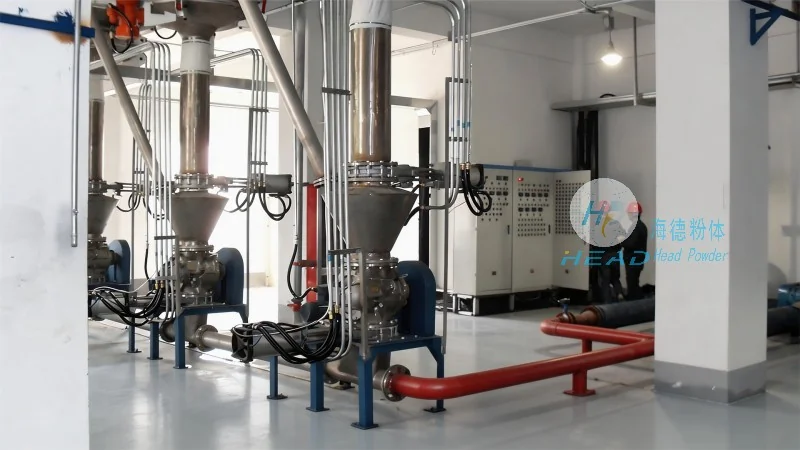
Understanding the Delivery Methods for Vanadium Oxide
Vanadium oxide, often used in the production of vanadium compounds and as a catalyst in chemical processes, requires specialized handling due to its chemical properties and potential reactivity. The primary delivery methods include bulk material handling techniques such as pneumatic conveying, mechanical conveying, and manual handling. Each method has its own set of advantages and limitations, making the selection dependent on factors like material characteristics, plant layout, and operational requirements.
Pneumatic Conveying: A Preferred Method for Vanadium Oxide
Among the various delivery methods, pneumatic conveying stands out as a highly effective and efficient solution for vanadium oxide. This technique involves transporting the material using a stream of air or gas, which can be either positive pressure (where air is forced through the system) or negative pressure (where air is drawn out). The process is particularly suitable for vanadium oxide due to its fine particle size and the need to minimize dust exposure and contamination.
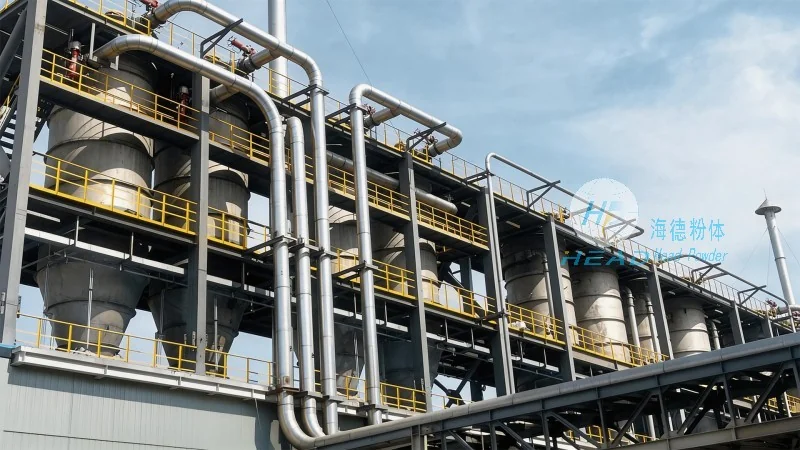
The advantages of pneumatic conveying for vanadium oxide include high throughput rates, the ability to handle fine powders without segregation, and reduced risk of material degradation compared to other methods. Additionally, this method allows for a more controlled and hygienic environment, which is crucial for maintaining the purity of the material. The system can be designed to operate in both dilute-phase and dense-phase modes, offering flexibility based on the specific requirements of the application.
Key Features and Benefits of Vanadium Oxide Pneumatic Conveying
When considering the delivery of vanadium oxide via pneumatic conveying, several key features and benefits emerge that make it a preferred choice for many industries. First, the system provides a continuous and automated flow of material, reducing labor costs and improving operational consistency. The enclosed nature of the conveying system minimizes dust emissions, enhancing workplace safety and compliance with environmental regulations.
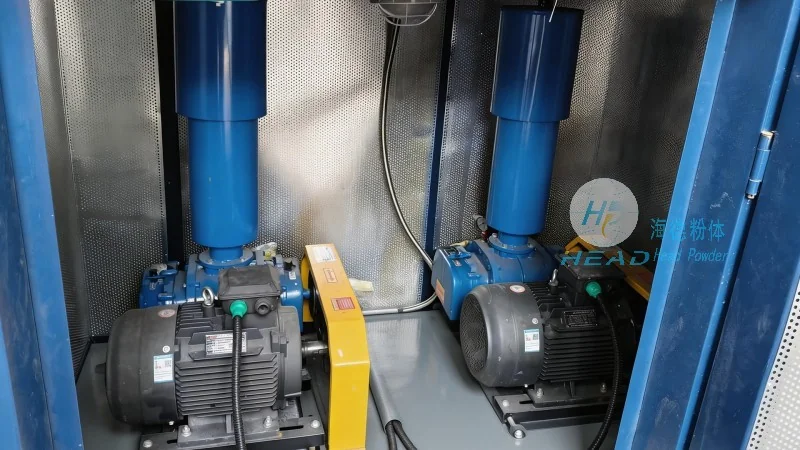
Second, pneumatic conveying allows for the integration of the delivery system with other processing equipment, such as reactors or reactors, enabling a seamless flow of material from storage to processing. This integration improves overall plant efficiency and reduces downtime associated with material handling. Furthermore, the system can be easily scaled to accommodate varying production volumes, making it suitable for both small-scale and large-scale operations.
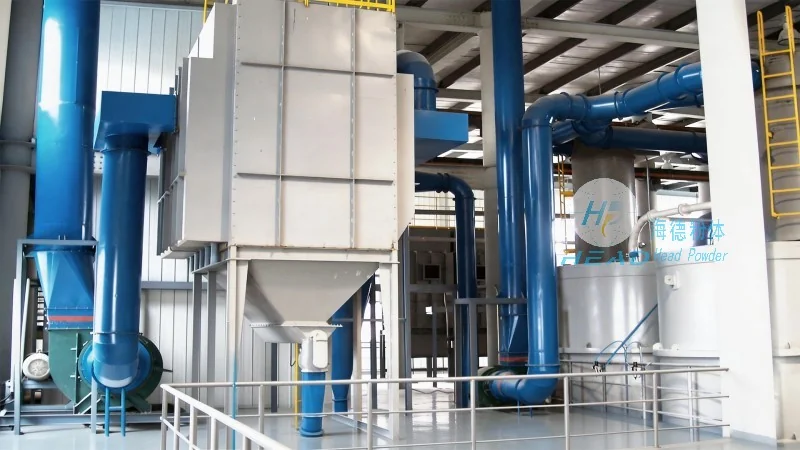
Company Information: Shandong HeadPowder Engineering Co., Ltd.
For businesses seeking reliable solutions for vanadium oxide delivery, Shandong HeadPowder Engineering Co., Ltd. offers specialized expertise and equipment. As a leading provider in the field, the company specializes in designing and manufacturing pneumatic conveying systems tailored to the unique needs of vanadium oxide applications. With a focus on quality and innovation, HeadPowder ensures that their systems meet the highest standards of performance and safety.
HeadPowder is committed to providing comprehensive support, from system design and installation to ongoing maintenance and technical assistance. The company’s team of experts works closely with clients to understand their specific requirements and develop customized solutions that optimize material handling processes. With operations based in Shandong, China, HeadPowder leverages its local presence to deliver timely and effective service to clients across the region.




