Delrin powder, a type of engineering plastic recognized for its superior mechanical properties and dimensional stability, is extensively utilized in various industrial sectors. The efficient and reliable transportation of Delrin powder from production sites to processing facilities is paramount for sustaining production efficiency and ensuring product quality. Several methods are available for conveying Delrin powder, each with distinct advantages and limitations. This article will explore the common methods of Delrin powder conveying and provide a detailed overview of the advantages and features of pneumatic conveying, a popular and effective solution for handling Delrin powder.
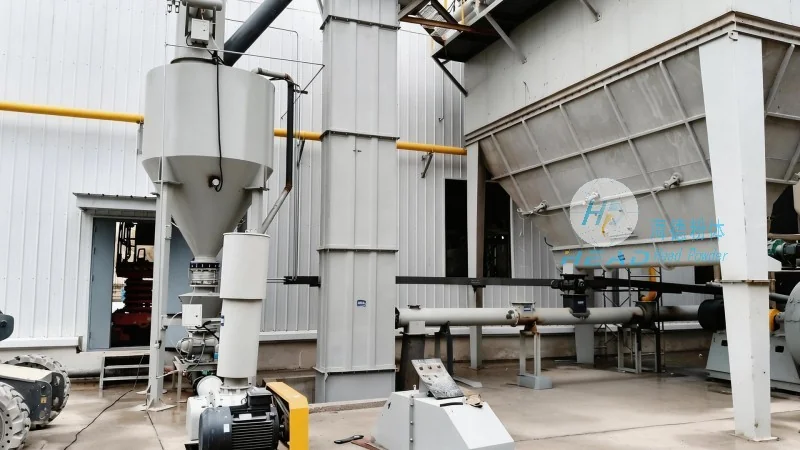
Common Methods of Delrin Powder Conveying
Delrin powder can be conveyed using various approaches, including gravity flow, mechanical conveyors, and pneumatic systems. Gravity flow involves utilizing inclined chutes or hoppers to allow the powder to move under the influence of gravity. This method is straightforward and cost-effective for short distances and low powder volumes. However, it is constrained by the requirement for a suitable slope and may not be suitable for large quantities or long distances due to the risk of clogging and material degradation.
Mechanical Conveying Systems
Mechanical conveyors, such as screw conveyors, belt conveyors, and bucket elevators, are commonly employed for Delrin powder handling. These systems rely on mechanical components to move the powder. Screw conveyors, for instance, use a rotating screw to push the powder forward, while belt conveyors utilize a moving belt to transport the material. Mechanical conveyors are generally reliable and can handle high volumes of powder. Nevertheless, they may encounter issues with clogging, especially with fine powders like Delrin, and require regular maintenance to ensure smooth operation.
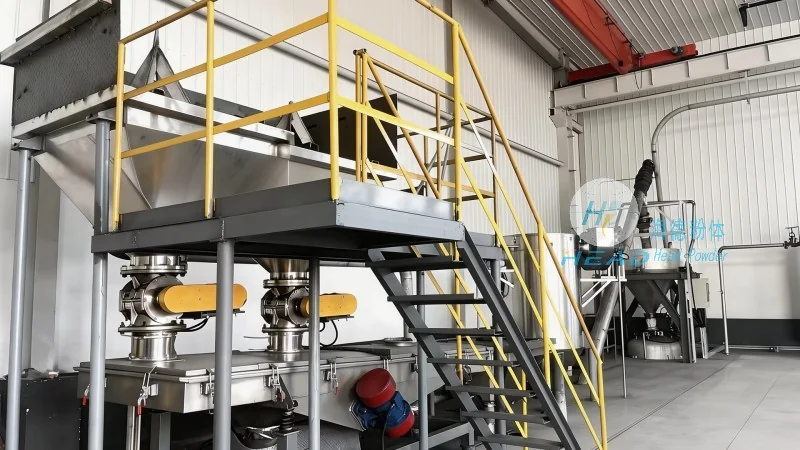
Pneumatic Conveying: A Preferred Solution
Pneumatic conveying, also known as air conveying, is a method that employs compressed air to transport Delrin powder through a pipeline system. This technology offers several advantages over traditional mechanical and gravity-based methods, making it a preferred choice for many industrial applications. The key benefits of pneumatic conveying for Delrin powder include high efficiency, low maintenance, and the ability to handle fine powders without clogging. Additionally, pneumatic systems can be designed to operate in a closed loop, minimizing dust emissions and improving workplace safety.
Advantages of Pneumatic Conveying for Delrin Powder
One of the primary advantages of pneumatic conveying is its high conveying efficiency. Pneumatic systems can transport Delrin powder over long distances with minimal loss of material and energy. The use of compressed air allows for a continuous and uniform flow of powder, which helps maintain consistent product quality. Furthermore, pneumatic conveying systems are relatively simple in design, with fewer moving parts compared to mechanical conveyors, resulting in lower maintenance costs and reduced downtime.
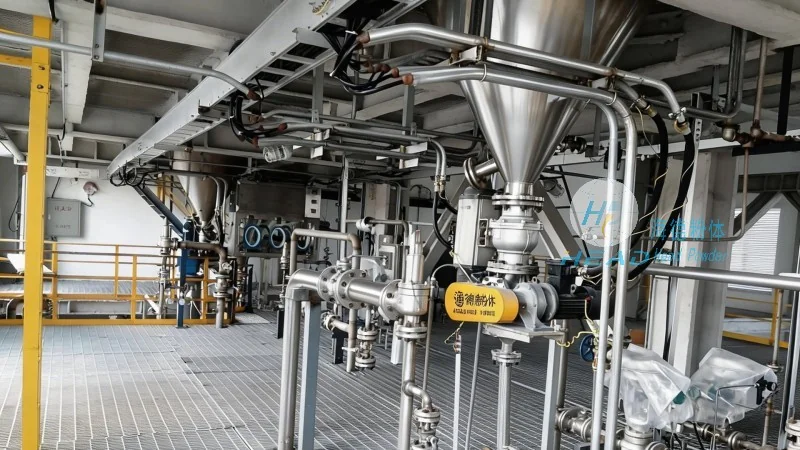
Key Features of Delrin Powder Pneumatic Conveying Systems
Delrin powder pneumatic conveying systems typically consist of a blower or compressor, a hopper for powder storage, a pipeline network, and a discharge unit. The compressed air is introduced into the hopper, creating a flow that lifts and transports the powder through the pipeline. The system can be configured as a dilute phase or dense phase system, depending on the specific requirements of the application. Dilute phase systems use low air-to-powder ratios and are suitable for short to medium distances, while dense phase systems use higher air-to-powder ratios and are ideal for long-distance conveying and handling of abrasive or sensitive powders.
Applications and Benefits in Industrial Settings
The advantages of pneumatic conveying make it particularly suitable for industrial applications involving Delrin powder. For example, in the manufacturing of Delrin components, such as gears and bearings, the efficient transport of raw powder to processing machines is essential for maintaining production throughput. Pneumatic systems can also be integrated with other processing equipment, such as mixers and extruders, to create a seamless production line. The ability to handle fine powders without clogging and the low risk of material degradation further enhance the benefits of pneumatic conveying in these applications.




