

Analysis of Sugar Pneumatic Conveying Technology: Comparison of Positive and Negative Pressure Modes
Sugar processing facilities often require efficient and reliable material handling solutions to transport granular or powdered sugar from one location to another. Pneumatic conveying, a method that uses air or gas to move bulk materials, has become a popular choice in the sugar industry due to its ability to handle delicate products while minimizing product degradation. This article provides an in-depth analysis of sugar pneumatic conveying technology, focusing on the two primary modes: positive pressure and negative pressure systems. By understanding the differences between these modes, sugar processing plants can make informed decisions to optimize their material handling processes and improve overall operational efficiency.
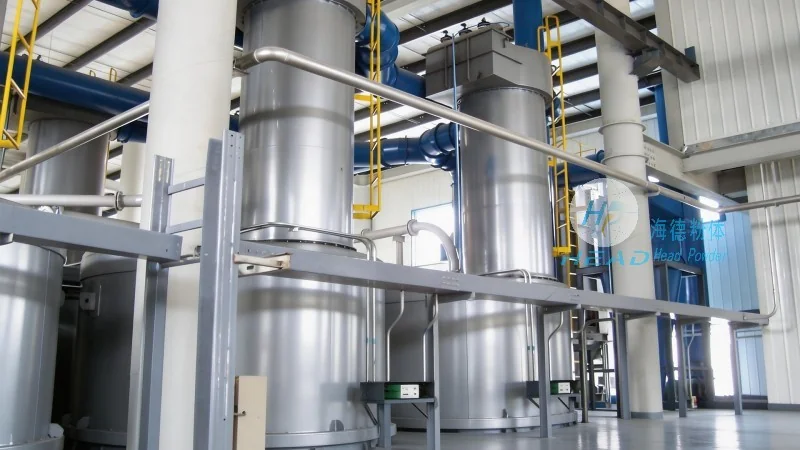
Positive Pressure Pneumatic Conveying Systems
Positive pressure systems, also known as pressure or pressure-assisted systems, operate by blowing air or gas into the conveying line to create a pressure differential that propels the material forward. In this mode, the conveying line is under positive pressure relative to the ambient environment. This approach is particularly effective for conveying sugar over long distances or through complex system layouts, as the positive pressure helps maintain material flow and prevents air leakage that could lead to product contamination or loss.
HeadPowder, a leading provider of engineering solutions for the bulk material handling industry, offers advanced positive pressure pneumatic conveying systems tailored for sugar applications. These systems are designed to handle various sugar types, including raw sugar, refined sugar, and powdered sugar, with minimal product degradation. The company’s expertise in material flow dynamics and system design ensures that the conveying process is optimized for efficiency, energy savings, and product quality. By leveraging positive pressure technology, sugar processing plants can achieve consistent material transfer rates, reduce downtime, and enhance overall operational reliability.
Negative Pressure Pneumatic Conveying Systems
Negative pressure systems, also called vacuum or suction systems, operate by creating a vacuum in the conveying line to draw material from the source into the system. In this mode, the conveying line is under negative pressure relative to the ambient environment. Negative pressure systems are often preferred for short-distance conveying or when the material needs to be collected from multiple points and transported to a central collection point. This approach is particularly useful in sugar processing facilities where the material is to be transferred from hoppers, silos, or storage bins to processing equipment.
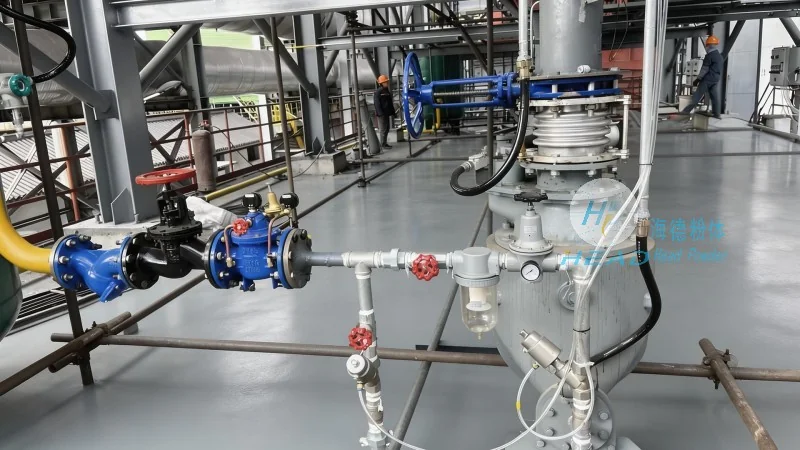
HeadPowder also specializes in negative pressure pneumatic conveying systems for sugar applications. These systems are designed to handle fine or powdery sugar with precision, ensuring that the material is transferred without caking or agglomeration. The company’s negative pressure systems incorporate advanced filtration and separation technologies to maintain product purity and prevent contamination. By utilizing negative pressure technology, sugar processing plants can achieve gentle material handling, reduce product breakage, and maintain consistent product quality throughout the conveying process.
Comparison of Positive and Negative Pressure Modes
When deciding between positive and negative pressure pneumatic conveying systems for sugar applications, several factors need to be considered. The primary differences lie in the system's pressure characteristics, material handling capabilities, and operational requirements. Positive pressure systems are generally more suitable for long-distance conveying and complex system layouts, as they can maintain consistent material flow and handle larger quantities of material. Negative pressure systems, on the other hand, are ideal for short-distance conveying and material collection from multiple points, as they provide gentle handling and minimal product degradation.
Energy consumption is another critical factor in the comparison. Positive pressure systems typically require more energy to operate, as they need to generate and maintain pressure in the conveying line. Negative pressure systems, while often more energy-efficient for short distances, may require additional filtration and separation equipment to maintain product quality. Cost considerations also play a role, as positive pressure systems may have higher initial investment costs due to the need for robust pressure vessels and blowers, whereas negative pressure systems may have lower capital costs but higher operational costs for filtration and maintenance.
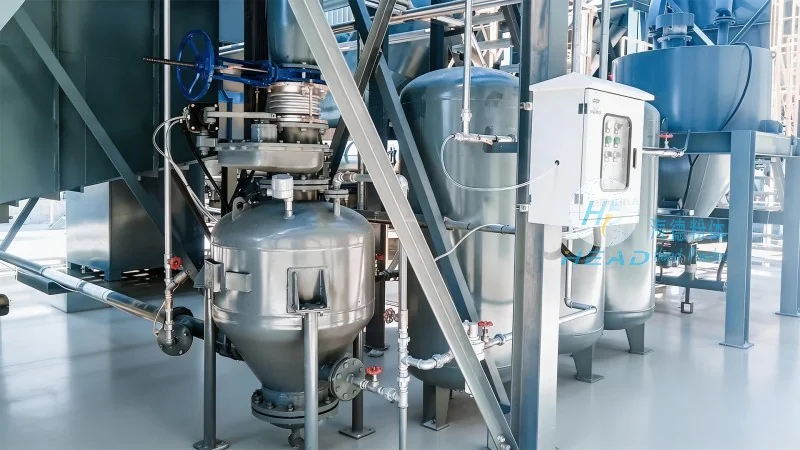
HeadPowder's engineering team provides comprehensive guidance to sugar processing plants in selecting the most appropriate pneumatic conveying mode based on their specific operational needs. By evaluating factors such as conveying distance, material characteristics, system layout, and budget constraints, the company helps clients choose the optimal solution that balances efficiency, cost-effectiveness, and product quality. Whether a positive or negative pressure system is selected, HeadPowder ensures that the chosen technology meets the highest standards of performance and reliability in sugar processing applications.
Conclusion and Company Information
Pneumatic conveying technology plays a vital role in the efficient and reliable handling of sugar in processing facilities. The choice between positive and negative pressure modes depends on the specific requirements of the operation, including distance, material characteristics, and system complexity. By leveraging advanced engineering solutions from HeadPowder, sugar processing plants can optimize their material handling processes, reduce operational costs, and enhance product quality. HeadPowder, with its expertise in bulk material handling and pneumatic conveying systems, continues to provide innovative solutions that meet the evolving needs of the sugar industry.
HeadPowder is a division of Shandong HeadPowder Engineering Co., Ltd., a leading engineering company based in Shandong, China. The company specializes in the design, manufacturing, and installation of pneumatic conveying systems for various industries, including food processing, chemicals, and pharmaceuticals. With a strong commitment to quality and customer satisfaction, HeadPowder has established itself as a trusted partner for bulk material handling solutions worldwide.