

Analysis of Soybean Pneumatic Conveying Technology: Comparison of Positive and Negative Pressure Mod
When it comes to the efficient and reliable transportation of soybeans, pneumatic conveying systems have become a cornerstone in modern agricultural and industrial processing. These systems utilize air to move bulk materials like soybeans, offering advantages such as reduced contamination, improved hygiene, and the ability to transport materials over long distances without the need for mechanical components that can cause wear and tear. Among the various pneumatic conveying technologies available, two primary modes stand out: positive pressure and negative pressure systems. Understanding the differences between these modes is crucial for selecting the most suitable solution for specific soybean handling applications.
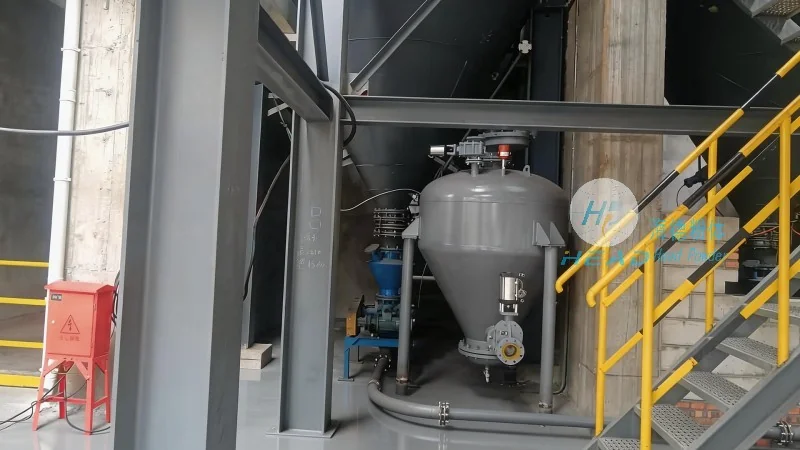
Overview of Pneumatic Conveying Systems
Pneumatic conveying systems are designed to transport bulk materials through a pipeline using air as the motive force. The fundamental principle involves creating a pressure differential between the inlet and outlet of the system. In positive pressure systems, air is forced into the conveying line, creating a pressure higher than the surrounding environment, which propels the material forward. Conversely, negative pressure systems draw air and material from the conveying line, creating a vacuum that pulls the material through the pipeline. Both modes have distinct characteristics and are suited to different operational requirements.
Positive Pressure Pneumatic Conveying Mode
Positive pressure pneumatic conveying systems operate by injecting compressed air into the conveying line at a pressure higher than the ambient air. This method ensures that the material is continuously pushed forward through the pipeline, making it ideal for applications requiring high material flow rates and long-distance transport. The system typically includes a blower or compressor that supplies the necessary air pressure, and the material is fed into the system using a hopper or feeder. The positive pressure mode is particularly effective for handling abrasive or sticky materials like soybeans, as it minimizes the risk of material buildup and blockages. Additionally, positive pressure systems are generally more robust and can handle higher material loads compared to negative pressure systems.
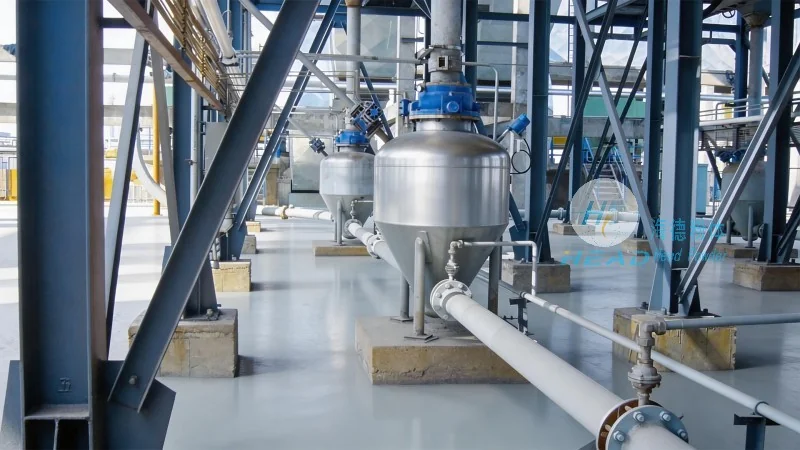
Negative Pressure Pneumatic Conveying Mode
Negative pressure pneumatic conveying systems, also known as suction or vacuum systems, operate by creating a vacuum within the conveying line. Air and material are drawn from the material source into the system, and the vacuum pulls the material through the pipeline to the collection point. This mode is often preferred for applications where the material source is located at a higher elevation or where the system needs to handle materials in enclosed spaces. Negative pressure systems are generally more energy-efficient for short-distance transport and can handle fine or light materials with less pressure drop. However, they may be less suitable for transporting abrasive or heavy materials over long distances due to the limitations in maintaining a consistent vacuum and potential for material degradation under suction.
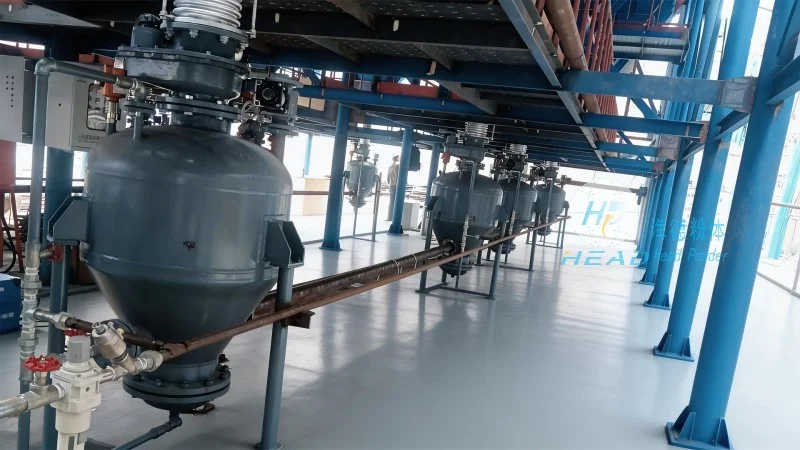
Key Differences and Selection Criteria
When comparing positive and negative pressure pneumatic conveying modes for soybean applications, several factors must be considered. The primary difference lies in the direction of air flow and the pressure differential. Positive pressure systems push material forward, while negative pressure systems pull material. This affects the system's energy consumption, material handling capacity, and suitability for different environments. For instance, positive pressure systems are better suited for high-volume, long-distance transport of soybeans, whereas negative pressure systems are more appropriate for short-distance or enclosed space applications. Another critical factor is the impact on material quality. Positive pressure systems can maintain higher material temperatures and reduce the risk of material degradation due to the absence of suction forces that may cause friction or particle breakage. In contrast, negative pressure systems may be more prone to material degradation, especially for delicate soybean varieties. Furthermore, the maintenance requirements differ between the two modes. Positive pressure systems often require more robust components to withstand higher pressures, while negative pressure systems may need more frequent cleaning to prevent dust accumulation and blockages.
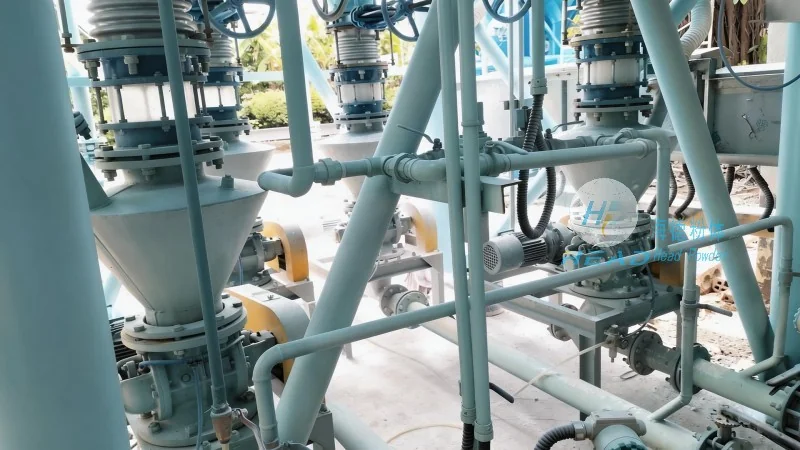
Application Scenarios in Soybean Processing
The choice between positive and negative pressure pneumatic conveying modes depends on the specific requirements of the soybean processing facility. For large-scale soybean handling operations, such as those in grain elevators or processing plants, positive pressure systems are commonly used due to their ability to handle high material volumes and long transport distances. These systems are often integrated with storage silos, conveyor belts, and processing equipment to create a seamless material flow. For example, in a soybean crushing plant, positive pressure conveying can efficiently transport raw soybeans from storage silos to the crushing machinery, ensuring a continuous supply of material. On the other hand, negative pressure systems are suitable for smaller-scale operations or applications where the material source is located above the processing equipment. In a small-scale soybean processing facility, a negative pressure system might be used to transport soybeans from a hopper to a grinding machine, especially if the hopper is positioned at a higher level than the processing equipment.
Advantages and Limitations of Each Mode
Positive pressure pneumatic conveying offers several advantages for soybean transport. These include higher material flow rates, better control over material temperature, and reduced risk of material degradation due to the absence of suction forces. Additionally, positive pressure systems are more reliable for long-term operation and can handle a wider range of material characteristics, including abrasive or sticky soybeans. However, they have limitations, such as higher energy consumption due to the need for compressed air and potential for increased maintenance costs associated with the blower or compressor. Negative pressure systems, while more energy-efficient for short distances, have their own set of advantages, including lower initial costs and reduced noise levels. They are also less likely to cause material damage due to the gentle suction action. The main limitations of negative pressure systems include lower material handling capacity, higher risk of material degradation, and the need for more frequent cleaning to prevent blockages. These factors must be carefully weighed against the operational requirements of the soybean processing facility.