

Analysis of Wood Chip Pneumatic Conveying Technology: Comparison of Positive and Negative Pressure M
Wood chip pneumatic conveying is a critical process in the wood processing industry, enabling efficient transport of wood chips from one location to another. This technology involves using air to move solid materials, and two primary modes are widely used: positive pressure and negative pressure systems. Understanding the differences and applications of these modes is essential for optimizing material handling in wood processing facilities. Shandong HeadPowder Engineering Co., Ltd., a leading provider of pneumatic conveying solutions, specializes in designing and implementing efficient wood chip transport systems tailored to the specific needs of wood processing operations.
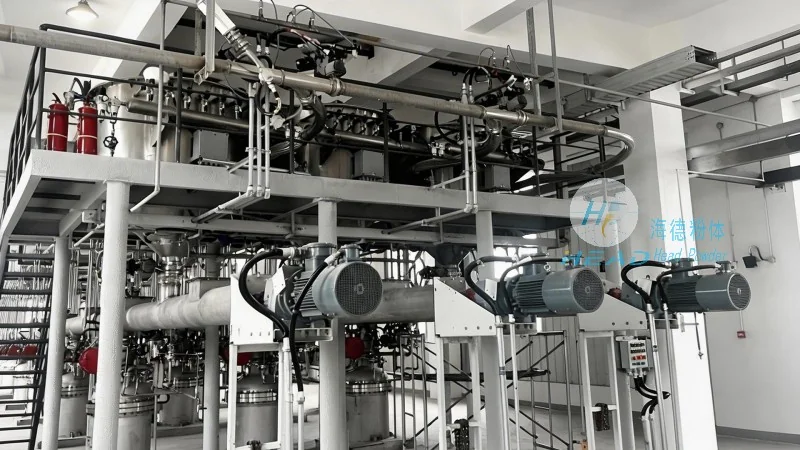
Overview of Pneumatic Conveying Systems for Wood Chips
Pneumatic conveying systems for wood chips are designed to transport bulk materials through a pipeline using air as the conveying medium. The system typically consists of a hopper, a conveyor line, and a receiver. The choice between positive and negative pressure modes depends on factors such as the distance of transport, the volume of material, and the specific requirements of the processing plant. Both modes have their advantages and limitations, making them suitable for different operational scenarios. The positive pressure mode involves blowing air into the conveying line, creating a pressure higher than ambient air, while the negative pressure mode creates a vacuum to draw material into the pipeline.
Positive Pressure Pneumatic Conveying Mode
Positive pressure systems operate by forcing air into the conveying line, generating a pressure higher than the surrounding environment. This method is commonly employed for short to medium-distance transport of wood chips, particularly in sawmills and chipper facilities. The system typically uses a blower or a positive displacement pump to generate the necessary air pressure. The advantages of positive pressure include the ability to handle a wide range of material types, including heavy and abrasive wood chips, and the simplicity of the system design. However, it may require more energy compared to negative pressure systems, especially for longer distances. The system is also less susceptible to material degradation due to the absence of vacuum-induced stress on the material.
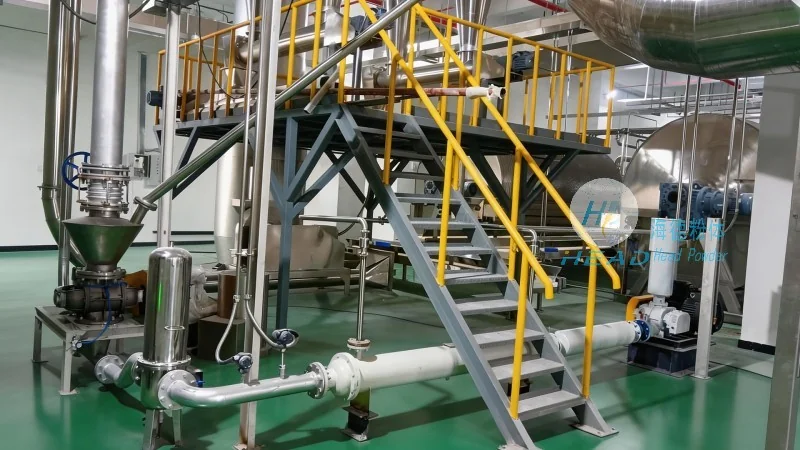
Negative Pressure Pneumatic Conveying Mode
Negative pressure systems, also known as vacuum systems, operate by creating a vacuum in the conveying line, drawing material into the pipeline. This mode is often used for longer distances or when the material needs to be transported from multiple sources to a central collection point. The negative pressure mode is particularly suitable for handling fine or dusty wood chips, as the vacuum helps to prevent dust emissions and maintain air quality. The system utilizes a vacuum pump to create the required pressure differential. One of the key advantages of negative pressure is its lower energy consumption for long-distance transport, as the vacuum draws the material rather than forcing it. However, it may be less efficient for handling very light or fine materials, as the vacuum may not be sufficient to draw them into the pipeline. Additionally, negative pressure systems may require more complex filtration systems to prevent blockages and maintain system efficiency.
Key Factors Influencing the Choice Between Positive and Negative Pressure Modes
The selection between positive and negative pressure pneumatic conveying systems for wood chips depends on several critical factors. The distance of the transport is a primary consideration; positive pressure is generally more suitable for shorter distances (typically up to 100 meters), while negative pressure is preferred for longer distances (up to several hundred meters). The volume and density of the wood chips also play a role, as higher volumes may require more robust systems. Additionally, the presence of dust and the need for environmental control can influence the choice, with negative pressure often providing better dust containment. The cost of equipment and operational energy is another important factor, as both systems have different energy requirements and capital costs. For example, positive pressure systems may have higher initial costs but lower operational energy costs for short distances, whereas negative pressure systems have lower initial costs but higher operational energy costs for long distances. Finally, the specific operational constraints of the wood processing facility, such as space availability and existing infrastructure, must be considered when choosing the appropriate mode.
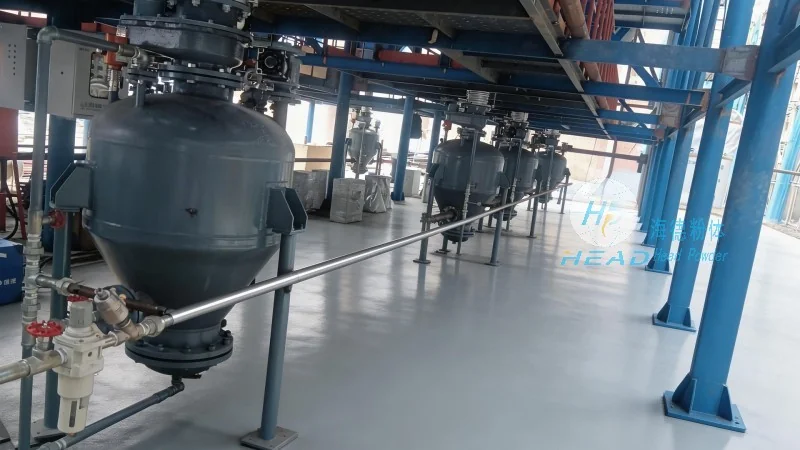
Applications and Use Cases in Wood Processing
Wood chip pneumatic conveying systems are widely used in various stages of wood processing. In sawmills, positive pressure systems are commonly used to transport wood chips from the debarking and chipping stages to the storage or processing areas. This ensures efficient material flow and reduces manual handling, improving overall productivity. In pulp and paper mills, negative pressure systems are often employed to convey wood chips from the storage yard to the pulping and refining units. The negative pressure helps to maintain a clean environment and prevent dust from spreading, which is crucial for downstream processing. Additionally, both modes are used in biomass energy facilities, where wood chips are transported to boilers or gasifiers for energy production. The choice of mode in these applications depends on the distance from the source to the destination and the need for dust control. For instance, a biomass power plant with a wood chip storage yard located 200 meters from the boiler may use a negative pressure system to efficiently transport the chips while minimizing dust emissions.
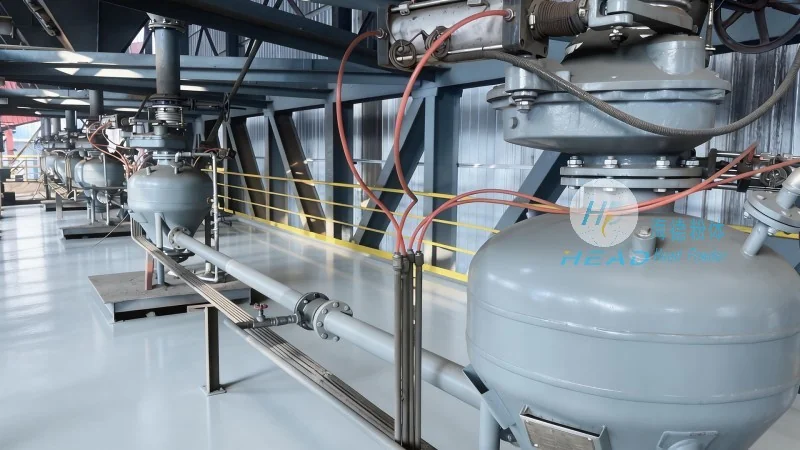
Advantages and Limitations of Each Mode
Positive pressure systems offer several advantages, including the ability to handle a wide range of material types, including heavy and abrasive materials. The system is relatively simple to install and maintain, with fewer components compared to negative pressure systems. The positive pressure also helps to prevent material degradation by avoiding the vacuum-induced stress that can occur in negative pressure systems. However, the main limitation is the higher energy consumption, especially for long-distance transport. This can increase operational costs and may require more robust equipment to handle the pressure. On the other hand, negative pressure systems have lower energy consumption for long distances and provide better dust containment. The main limitations include the potential for material degradation due to the vacuum, and the need for more complex filtration systems to prevent blockages. Additionally, negative pressure systems may be less effective for handling very light or fine materials, as the vacuum may not be sufficient to draw them into the pipeline. The system also requires careful maintenance to prevent dust accumulation and ensure consistent performance.
Conclusion and Recommendations
Choosing the appropriate pneumatic conveying mode for wood chips is crucial for optimizing material handling in wood processing facilities. Positive pressure systems are ideal for short to medium distances and handling a variety of material types, including heavy and abrasive wood chips. They are particularly suitable for applications where dust control is not a primary concern and where the distance is limited. Negative pressure systems are better suited for longer distances and applications requiring dust control, such as in pulp and paper mills or biomass energy facilities. The decision should be based on a thorough analysis of the operational requirements, including distance, material characteristics, and environmental considerations. It is recommended to consult with engineering experts to evaluate the specific needs of the facility and select the most efficient and cost-effective system. By understanding the differences between positive and negative pressure modes, wood processing companies can improve their operational efficiency and reduce costs associated with material transport. Shandong HeadPowder Engineering Co., Ltd. provides comprehensive solutions for both positive and negative pressure wood chip conveying systems, ensuring that facilities can choose the best technology for their unique operational needs.