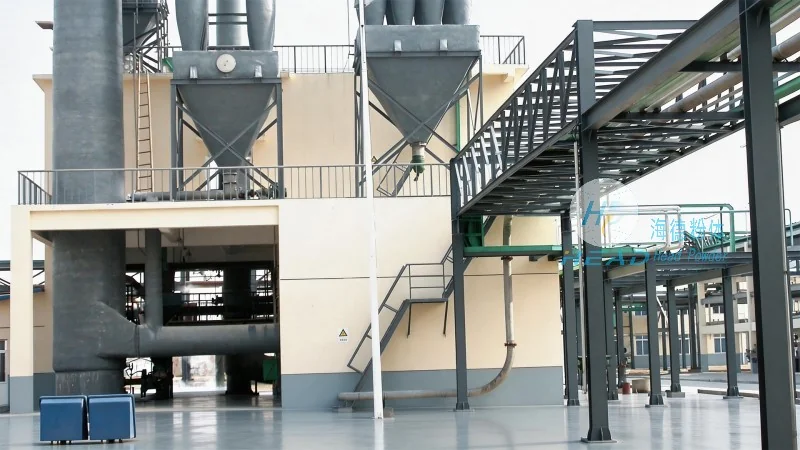
Corn stalk powder conveying lines are specialized systems engineered to handle and transport powdered materials derived from corn stalks. These systems are crucial in agricultural processing and material handling applications, where efficient movement of biomass-derived powders is essential for downstream processing steps. The core function of such a line is to ensure that corn stalks are processed into a fine powder and then transported to storage or processing facilities with minimal loss and maximum efficiency.
Understanding the Core Function of Corn Stalk Powder Conveying Lines
At the heart of a corn stalk powder conveying line is the ability to convert raw corn stalks into a manageable powder form and then move this material through a series of components. The process typically begins with the collection and preparation of corn stalks, followed by grinding or milling to achieve the desired particle size. Once the material is in powder form, it is fed into the conveying system, which may include components like hoppers, feeders, and conveying mechanisms such as pneumatic or mechanical systems. The goal is to ensure that the powder is transported without clogging, degradation, or loss, maintaining the quality and consistency required for further processing.
Design Principles Underpinning Efficient Conveying Systems
The design of a corn stalk powder conveying line is guided by several key principles aimed at optimizing performance, reliability, and cost-effectiveness. First, material handling efficiency is paramount; the system must be able to handle the bulk density and flow characteristics of corn stalk powder without excessive energy consumption or equipment wear. This involves selecting appropriate conveying technologies—such as screw conveyors, bucket elevators, or pneumatic systems—based on the specific properties of the powder, including its moisture content, particle size distribution, and abrasiveness.
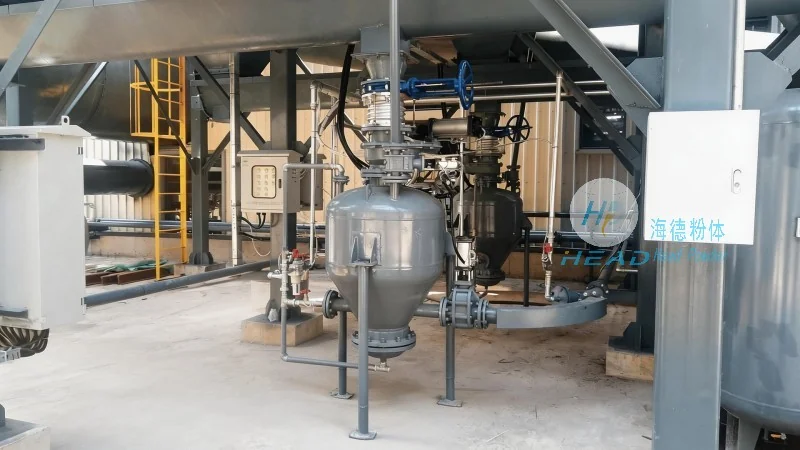
Second, the system must be designed for durability and low maintenance. Corn stalk powder can be abrasive, and the conveying components are subjected to continuous operation. Therefore, materials of construction, such as stainless steel or specialized alloys, are often used to resist corrosion and wear. Additionally, the design incorporates features like dust control and sealing to prevent material loss and ensure environmental compliance. Third, the system must be scalable and adaptable to varying production volumes. This means that the conveying line can be adjusted to handle different throughput rates, making it suitable for both small-scale and large-scale agricultural processing operations.
Key Components and Their Roles in the Conveying Process
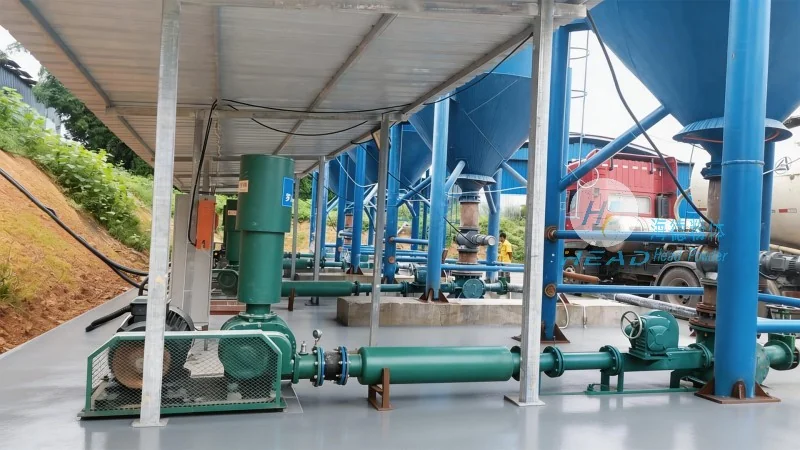
A corn stalk powder conveying line typically consists of several interconnected components, each playing a critical role in the overall operation. The primary components include a feed hopper, which stores and feeds the powder into the system; a feeder, which regulates the flow rate to maintain consistent material delivery; and the conveying mechanism itself, which transports the powder to the next stage of processing or storage. In pneumatic conveying systems, air is used to move the powder through pipes, while mechanical systems use rotating parts like screws or buckets to transport the material. The system may also include control systems to monitor and adjust the flow rate, pressure, and other parameters to ensure optimal performance.
Applications and Benefits of Corn Stalk Powder Conveying Lines
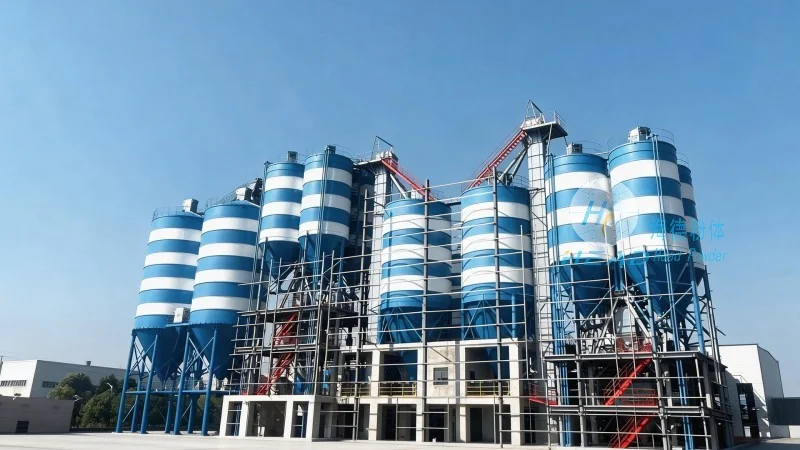
Corn stalk powder conveying lines are widely used in various applications, particularly in the production of biofuels, animal feed, and other value-added products from agricultural biomass. The efficient transport of corn stalk powder is essential for these processes, as it ensures that the material is delivered to processing units in a consistent and controlled manner. The benefits of using such a system include improved productivity, reduced labor costs, and enhanced product quality. By minimizing material loss and ensuring consistent particle size, the conveying line contributes to higher yields and better quality end products.
About Shandong HeadPowder Engineering Co., Ltd.
Shandong HeadPowder Engineering Co., Ltd., commonly known as headpowder, is a leading manufacturer specializing in the design and production of powder handling systems. With a focus on agricultural and industrial applications, the company has developed expertise in creating efficient and reliable conveying lines for biomass-derived powders like corn stalk powder. HeadPowder's commitment to quality and innovation has made it a trusted partner for businesses in the agricultural processing sector. The company's facilities are located in Shandong, China, where it leverages advanced technology and engineering expertise to deliver customized solutions tailored to the specific needs of its clients.




