

Design Considerations for Chlorinated Polyethylene Pneumatic Conveying System Solutions
Chlorinated polyethylene (CPE) is a versatile polymer widely used in various industrial applications due to its excellent chemical resistance, flexibility, and durability. When handling CPE through pneumatic conveying systems, it is crucial to design a solution that ensures efficient material transport while maintaining product integrity and system reliability. This article outlines key design considerations for CPE pneumatic conveying systems, focusing on the technical aspects and practical solutions provided by Shandong HeadPowder Engineering Co., Ltd., a leading engineering firm based in Shandong, China.
Understanding the Material Properties of Chlorinated Polyethylene
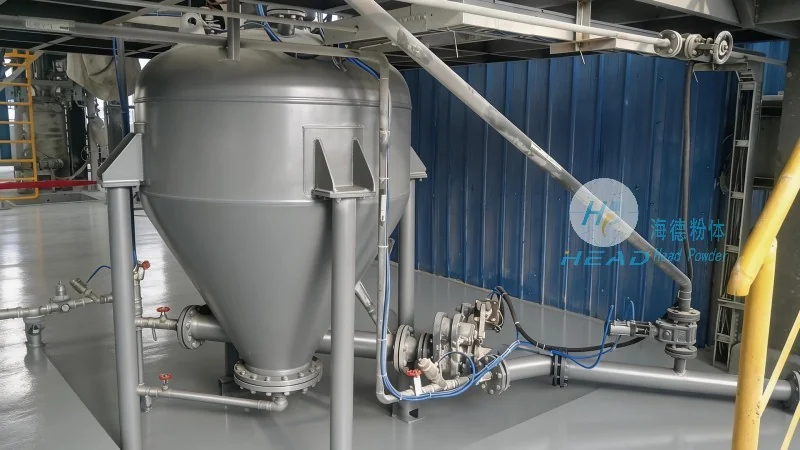
Before designing a pneumatic conveying system for CPE, it is essential to understand the material's physical and chemical characteristics. CPE exhibits good impact resistance, low temperature flexibility, and resistance to many chemicals, making it suitable for a wide range of applications. However, its particle size, density, and flowability can vary significantly depending on the manufacturing process and end-use requirements. These properties directly impact the selection of conveying equipment, such as the type of airlock feeders, rotary valves, and pneumatic conveying lines. Proper characterization of CPE particles is critical to ensure optimal system performance and prevent issues like blockages or uneven flow.
Key Design Factors for Pneumatic Conveying Systems
The design of a CPE pneumatic conveying system involves several critical factors that must be carefully evaluated. First, the system's capacity and flow rate must be matched to the production requirements. This includes determining the required material throughput, which influences the selection of air compressor size, duct dimensions, and conveying velocity. The velocity of the air stream is a critical parameter; it must be high enough to overcome the material's resistance to flow but low enough to prevent excessive wear on the system components and minimize product degradation. Additionally, the system's pressure and vacuum levels are determined based on the distance between the feed and discharge points, the vertical and horizontal distances the material needs to travel, and the specific characteristics of the CPE being conveyed.
Equipment Selection and Integration
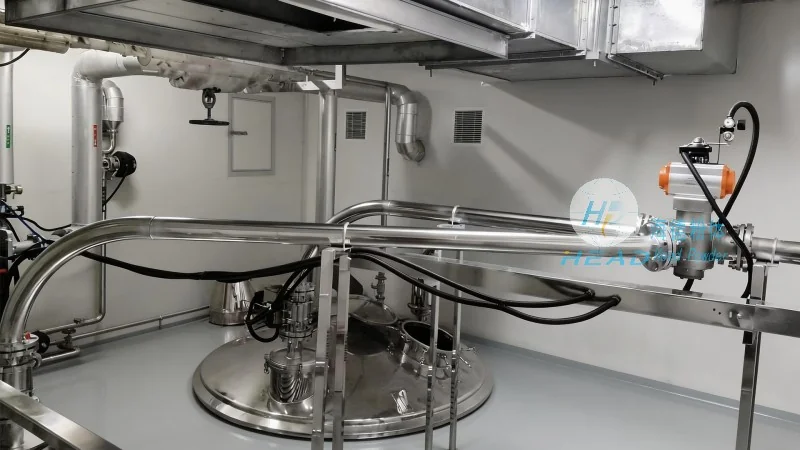
Shandong HeadPowder Engineering Co., Ltd. specializes in designing and implementing customized pneumatic conveying solutions tailored to the unique needs of CPE applications. The company's approach involves a comprehensive analysis of the material's properties, the process requirements, and the operational environment. For CPE, the selection of equipment such as rotary airlock feeders, screw feeders, and dust collectors is crucial. Rotary airlock feeders are commonly used to control the flow rate and prevent backflow, while screw feeders are suitable for handling bulkier or more cohesive materials. The choice of pneumatic conveying line material, such as stainless steel or corrosion-resistant alloys, is also critical due to CPE's potential to release chlorine compounds under certain conditions. Proper integration of these components ensures smooth operation and long-term reliability of the system.
System Maintenance and Operational Considerations
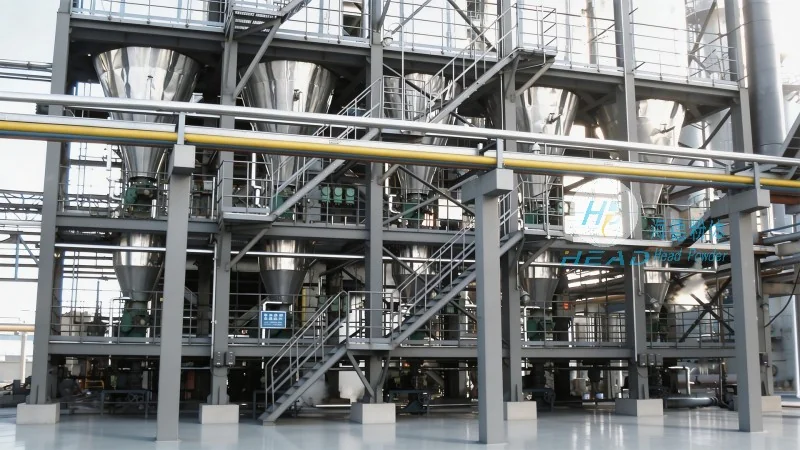
Proper maintenance and operational practices are essential to maximize the lifespan and efficiency of a CPE pneumatic conveying system. Regular cleaning of the conveying lines, airlocks, and dust collectors is necessary to prevent the accumulation of material residues that can lead to blockages or reduced performance. The use of appropriate filtration systems, such as bag filters or cartridge filters, helps maintain air quality and protect downstream equipment from contamination. Additionally, monitoring system parameters like pressure, flow rate, and temperature can help identify potential issues early, allowing for timely maintenance and preventing costly downtime. Shandong HeadPowder Engineering Co., Ltd. provides comprehensive support, including maintenance services and technical guidance, to ensure that CPE pneumatic conveying systems operate at peak performance.
Conclusion
Designing an effective CPE pneumatic conveying system requires a deep understanding of the material's properties, the system's operational requirements, and the integration of appropriate equipment. By considering factors such as material flow characteristics, conveying velocity, equipment selection, and maintenance practices, engineers can develop a reliable and efficient system that meets the specific needs of CPE applications. Shandong HeadPowder Engineering Co., Ltd. leverages its expertise in engineering and material handling to provide tailored solutions that enhance productivity and ensure the quality of CPE products. With its commitment to quality and customer satisfaction, the company remains a trusted partner for businesses seeking to optimize their CPE handling processes.