

Application and Optimization of Pneumatic Conveying Technology in Dust Transport Design
HeadPowder, a leading engineering firm based in Shandong, China, specializes in advanced material handling solutions. The company's expertise lies in the application and optimization of pneumatic conveying technology for efficient dust transport systems. This article explores the key aspects of utilizing pneumatic conveying in dust transport design, highlighting the technical advantages and practical implementation strategies.
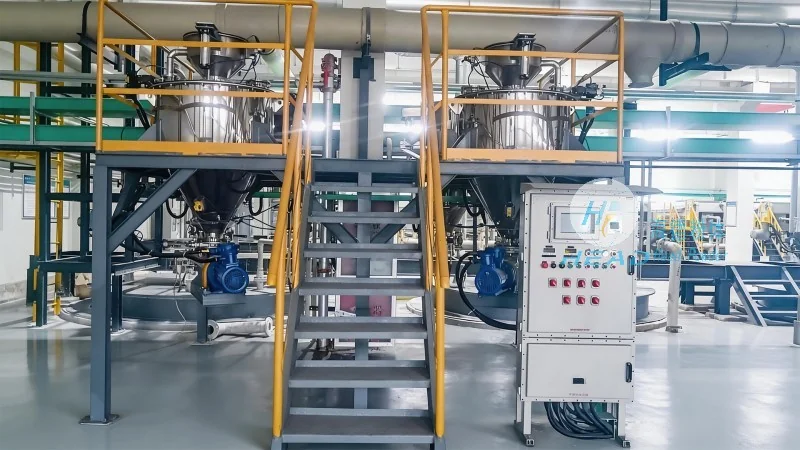
Introduction to Pneumatic Conveying in Dust Transport
Pneumatic conveying technology has revolutionized the way bulk materials, including dust and fine particles, are transported over long distances or within industrial facilities. Unlike traditional mechanical methods such as belt conveyors or screw conveyors, pneumatic systems use compressed air to move materials through pipelines, offering flexibility, scalability, and reduced maintenance requirements. For dust transport applications, this technology is particularly valuable due to its ability to handle abrasive and sensitive materials without causing degradation or contamination.
Key Applications of Pneumatic Conveying in Dust Handling
HeadPowder's solutions are tailored to various dust transport scenarios, from mining and construction to industrial manufacturing and environmental remediation. The technology is widely used in transporting raw materials like limestone, coal, and silica sand, as well as in processing waste materials and recycling operations. In these applications, the primary goal is to ensure reliable, low-cost, and environmentally friendly material movement. Pneumatic conveying systems can be designed for both dilute-phase (high air-to-material ratio) and dense-phase (low air-to-material ratio) transport, allowing for customization based on the specific characteristics of the dust being handled.
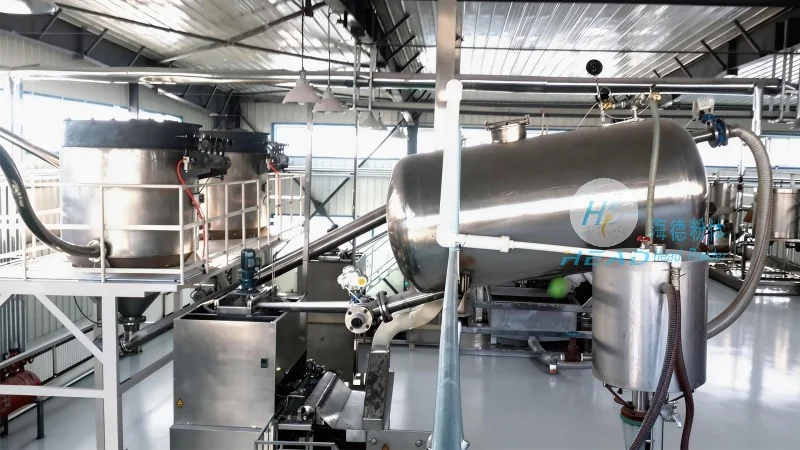
Optimization Strategies for Pneumatic Conveying Systems
Optimizing pneumatic conveying systems for dust transport involves several critical factors. First, the selection of the appropriate pipeline diameter and length is crucial to minimize pressure drop and energy consumption. HeadPowder engineers employ computational fluid dynamics (CFD) simulations and empirical data to determine the optimal air velocity and material flow rates. Second, the design of the conveying line, including the placement of inlets, outlets, and bends, significantly impacts system efficiency. Properly sized and positioned components, such as rotary valves and airlocks, ensure smooth material transfer and prevent blockages. Third, the control system plays a vital role in maintaining consistent performance. Advanced automation and monitoring tools allow for real-time adjustments to air pressure, flow rate, and material feed, enhancing system reliability and reducing downtime.
Technical Advantages of Pneumatic Conveying for Dust Transport
Compared to other material handling methods, pneumatic conveying offers several distinct advantages for dust transport. One of the most significant benefits is the ability to transport materials in a closed system, which minimizes dust emissions and environmental impact. This is particularly important in industries where air quality regulations are stringent. Additionally, pneumatic systems can handle a wide range of particle sizes and densities, from fine powders to coarse granules, without the need for additional processing steps. The flexibility of pneumatic conveying also allows for integration with existing facilities, reducing installation costs and time. Furthermore, the system's compact design and minimal moving parts contribute to lower maintenance requirements and longer service life.
Case Studies and Real-World Implementations
HeadPowder has successfully implemented pneumatic conveying solutions in numerous projects across China. For example, in a mining operation, the company designed a dense-phase system to transport crushed limestone from a storage silo to a processing plant. The system was optimized to handle high-volume, abrasive materials while maintaining low energy consumption. In another project, a construction company utilized a dilute-phase system to transport sand and cement from a central batching plant to job sites. The system's ability to operate over long distances and adapt to varying material conditions ensured consistent quality and reduced transportation costs. These case studies demonstrate the effectiveness of pneumatic conveying technology in improving operational efficiency and reducing environmental impact.
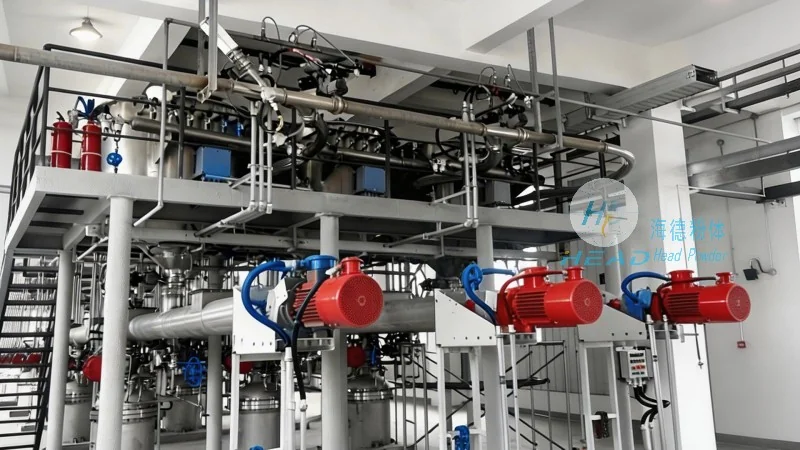
Future Trends and Innovations in Pneumatic Conveying
As technology advances, HeadPowder continues to explore innovative solutions for dust transport. One emerging trend is the integration of artificial intelligence (AI) and machine learning (ML) into pneumatic conveying systems. These technologies enable predictive maintenance, real-time performance optimization, and adaptive control based on changing operational conditions. Another area of focus is the development of more energy-efficient systems, such as variable frequency drives (VFDs) and high-efficiency air compressors, which reduce operational costs and environmental footprint. Additionally, the use of advanced materials, such as corrosion-resistant stainless steel and high-strength polymers, enhances the durability and longevity of conveying components. These innovations are expected to further improve the performance and reliability of pneumatic conveying systems for dust transport applications.
Conclusion
HeadPowder Engineering Co., Ltd., based in Shandong, China, remains at the forefront of pneumatic conveying technology for dust transport design. By combining advanced engineering expertise with practical optimization strategies, the company provides customized solutions that meet the unique needs of various industries. The application of pneumatic conveying technology not only enhances operational efficiency but also contributes to environmental sustainability. As the demand for efficient material handling continues to grow, HeadPowder's commitment to innovation and excellence ensures that its solutions will remain relevant and effective in the years to come.