

What is an Automatic Bulk Bag Unloading and Powder Conveying System? What is Its Design Principle?
For industries dealing with bulk powders, the efficient handling and transportation of these materials are critical to operational success. Among the advanced solutions available, the automatic bulk bag unloading and powder conveying system stands out as a sophisticated piece of equipment designed to streamline the entire process from unloading to distribution. This article delves into the functionality and design principles of such a system, highlighting its role in modern industrial applications.
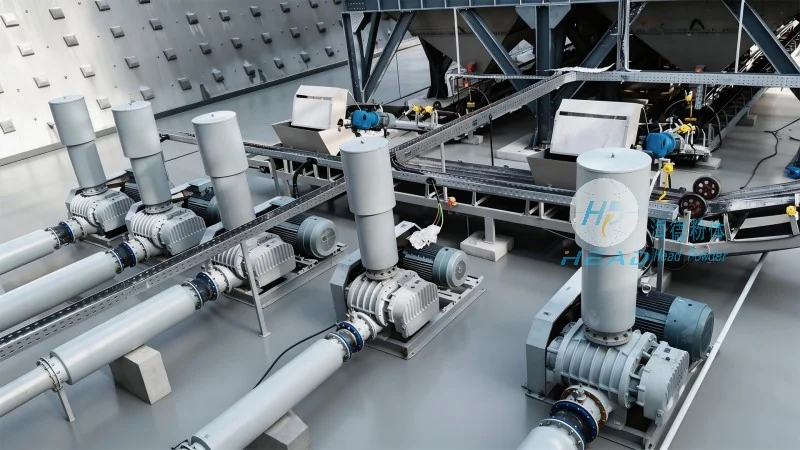
Introduction to Automatic Bulk Bag Unloading and Powder Conveying Systems
An automatic bulk bag unloading and powder conveying system is a specialized piece of machinery engineered to handle the unloading of bulk bags (also known as super sacks or FIBCs) and the subsequent conveying of the powder material to a storage or processing unit. This system is particularly valuable in sectors like food, pharmaceuticals, chemicals, and minerals, where maintaining product integrity and ensuring a clean, dust-free environment is paramount. The system typically integrates multiple components, including a bulk bag lifting mechanism, a discharge valve, a hopper, and a conveying system, all working in harmony to automate the entire workflow.
Key Components of the System
The effectiveness of an automatic bulk bag unloading and powder conveying system relies on its key components, each designed to perform a specific function. The primary components include:
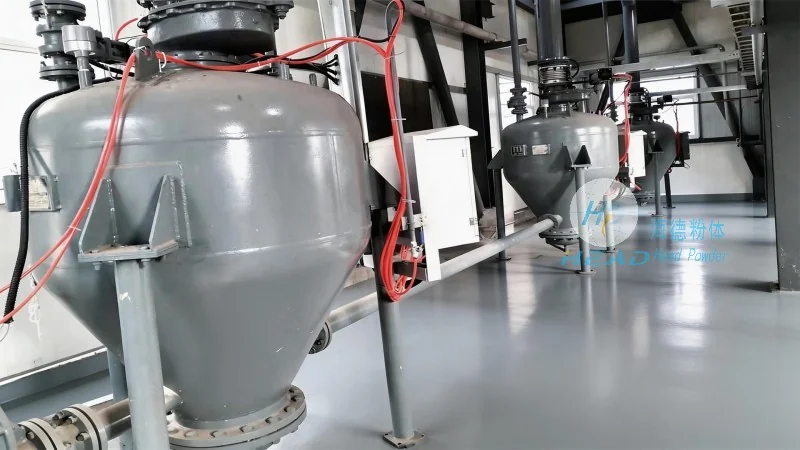
- Bulk Bag Lifting and Support: This component is responsible for securely lifting and positioning the bulk bag above the discharge area. It often uses a forklift or a specialized lifting frame to hoist the bag off the ground, ensuring stability during the unloading process.
- Discharge Valve: The discharge valve is a critical element that controls the flow of powder from the bulk bag into the system. It may be a bottom discharge valve or a top discharge valve, depending on the design, and is typically equipped with a seal to prevent dust and contamination.
- Hopper: The hopper acts as a temporary storage container that collects the powder as it is discharged from the bulk bag. It is designed to be airtight and dust-tight to maintain product quality and prevent environmental contamination.
- Powder Conveying System: This component transports the powder from the hopper to the desired destination, such as a silo, storage tank, or processing equipment. Common conveying methods include pneumatic conveying (air-assisted) or mechanical conveying (e.g., screw conveyors or belt conveyors).
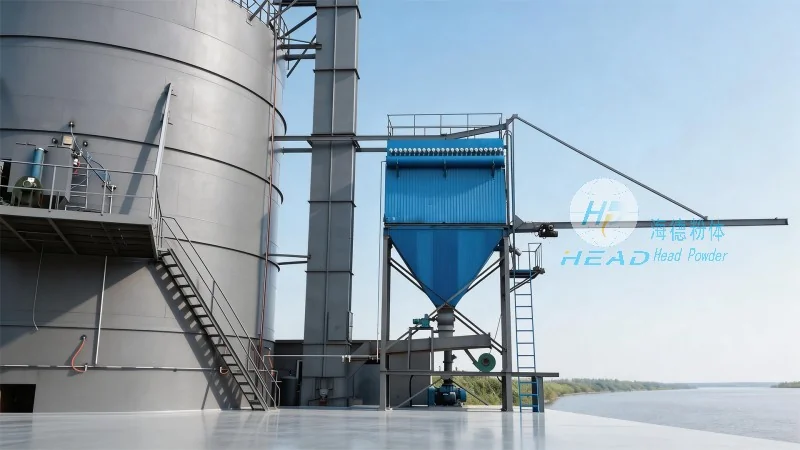
- Dust Control and Filtration: To ensure a clean working environment, the system incorporates dust control measures, such as dust collection hoods and filtration systems, which capture and filter any airborne particles.
Design Principle Explained
The design principle of an automatic bulk bag unloading and powder conveying system is centered on automation, efficiency, and safety. The core idea is to minimize manual intervention while maintaining the highest standards of product purity and operational safety. The system is designed to operate in a closed loop, where the bulk bag is automatically positioned, the discharge valve is opened, and the powder is conveyed without human contact, reducing the risk of contamination and improving process consistency.
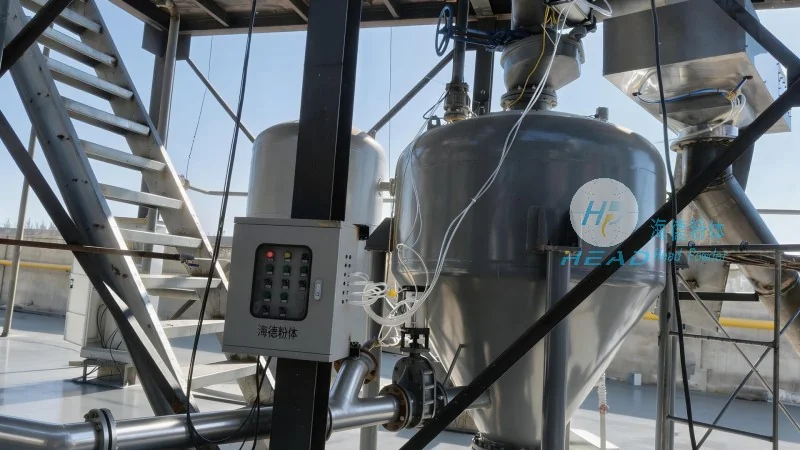
One of the key design considerations is the integration of sensors and control systems. Modern systems often use sensors to detect the bag's position, the level of powder in the hopper, and the flow rate of the conveying system. These sensors feed data to a control unit, which adjusts the operation of the system in real-time to optimize performance and prevent issues such as overfilling or underfilling.
How the System Operates
The operation of an automatic bulk bag unloading and powder conveying system typically follows a sequence of steps:
- Bag Placement: The bulk bag is placed on a lifting frame or pallet, and the system's lifting mechanism hoists it into position above the discharge valve.
- Valve Activation: The discharge valve is opened, allowing the powder to flow from the bag into the hopper.
- Conveying Process: The powder is then transferred from the hopper to the destination via the conveying system. This may involve air pressure in pneumatic systems or mechanical movement in screw or belt systems.
- Completion and Bag Removal: Once the bag is empty, the valve is closed, and the system signals the end of the process. The empty bag is then removed, and a new bag can be loaded.
Benefits of Using This Technology
Implementing an automatic bulk bag unloading and powder conveying system offers numerous advantages for industrial operations. These benefits include:
- Increased Efficiency and Productivity: Automation reduces the time required for unloading and conveying, allowing for faster throughput and higher production rates.
- Improved Product Quality and Purity: The closed system and dust control measures prevent contamination, ensuring that the powder remains in its original state, which is crucial for industries like pharmaceuticals and food.
- Enhanced Safety: By minimizing manual handling, the system reduces the risk of workplace accidents, such as dust inhalation or physical injuries.
- Reduced Labor Costs: Automation decreases the need for manual labor, leading to lower operational costs and improved resource allocation.
- Consistent Performance: The system operates with consistent speed and accuracy, ensuring that each batch of powder is handled uniformly, which is vital for maintaining quality control.
Application Scenarios
The automatic bulk bag unloading and powder conveying system is widely applicable across various industries. In the food industry, it is used for handling ingredients like flour, sugar, and spices, where maintaining hygiene and preventing cross-contamination is essential. In the pharmaceutical sector, it is employed for handling active pharmaceutical ingredients (APIs) and excipients, where strict purity standards must be met. The chemical industry utilizes this system for transporting bulk chemicals, while the mining and minerals sector uses it for processing raw materials like coal, ores, and fertilizers.
Companies such as Shandong HeadPowder Engineering Co., Ltd., based in China, specialize in designing and manufacturing these advanced systems. With a focus on innovation and customer needs, HeadPowder provides customized solutions tailored to the specific requirements of each industry, ensuring optimal performance and reliability.