

What is a Mobile Powder Handling System? What Are Its Design Principles?
Mobile powder handling systems are critical tools in modern industrial operations, used to efficiently and safely transport, store, and distribute bulk powders across various sectors such as chemicals, food, pharmaceuticals, and construction. These systems offer enhanced flexibility compared to fixed installations, enabling businesses to adapt to changing production needs or temporary setups. Understanding the functionality and design principles of these systems is essential for optimizing workflow, reducing operational costs, and ensuring workplace safety.
Understanding the Core Components of a Mobile Powder Handling System
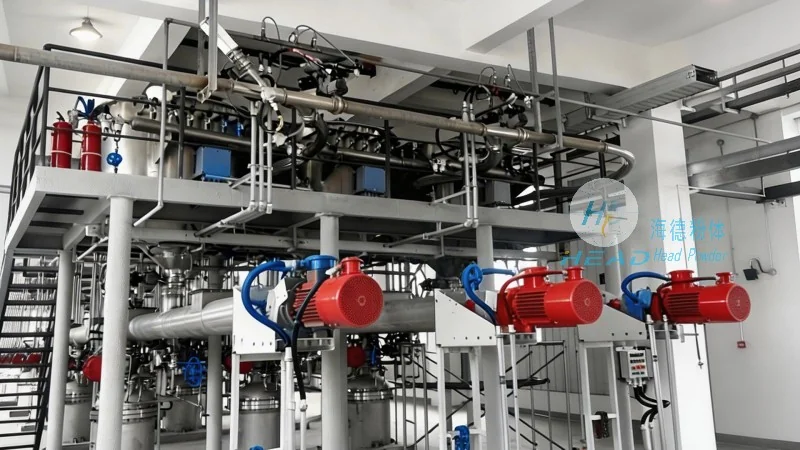
A typical mobile powder handling system comprises several integrated components that work in tandem to achieve effective material transfer. Key elements include a storage hopper or bin, a conveying mechanism (such as a screw or pneumatic system), a control panel with monitoring sensors, and a dust collection unit. The hopper is designed to accommodate the specific characteristics of the powder—such as its density, flowability, and tendency to clog—often featuring conical or wedge-shaped bottoms to facilitate discharge and prevent material bridging. The conveying mechanism may be pneumatic (using air pressure) for fine powders or mechanical (screw or belt) for bulkier materials, with variable speed drives to adjust flow rates dynamically. The control system integrates sensors for level, pressure, and temperature monitoring, triggering alarms or automatic shutdowns if parameters exceed safe limits. The dust collection system, typically equipped with HEPA filters or cyclones, ensures compliance with environmental regulations and protects personnel from inhalation hazards.
The Design Principles Behind Mobile Powder Handling Systems
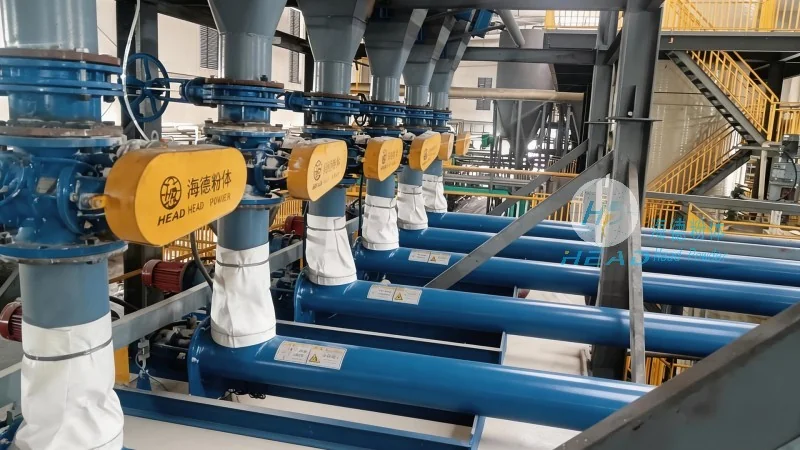
The design of a mobile powder handling system is guided by core principles focused on performance, safety, and cost-effectiveness. One primary principle is minimizing material degradation during handling. This involves selecting equipment that reduces friction, compaction, or agglomeration—for example, using flexible hoses or wear-resistant coatings on conveyor components. Another key principle is space efficiency, especially critical for mobile systems where footprint and portability are paramount. Engineers often employ compact, modular designs with vertical storage and horizontal conveying to maximize mobility without compromising capacity. Safety is a non-negotiable principle, with designs incorporating explosion-proof components, overpressure relief valves, and emergency stop buttons, particularly important for flammable or reactive powders. Additionally, ease of maintenance and cleaning is essential to prevent clogs and ensure long-term reliability. The integration of these principles results in a system that is not only efficient but also durable and user-friendly. Modularity is another critical design consideration, allowing seamless integration with existing production lines or future expansion.
How Shandong HeadPowder Engineering Co., Ltd. Applies These Principles
Shandong HeadPowder Engineering Co., Ltd., a leading manufacturer based in China, specializes in the design and production of mobile powder handling systems. The company, commonly known as HeadPowder, leverages advanced engineering and manufacturing capabilities to develop customized solutions tailored to client needs. By adhering to the core design principles discussed above, HeadPowder ensures its systems are robust, efficient, and safe. The company’s engineers collaborate closely with clients to address specific material handling challenges, such as the type of powder, production volume, and operational environment. This collaborative approach enables the development of tailored systems that optimize performance and reduce operational costs. For instance, HeadPowder may recommend a combination of a pneumatic conveyor and a hopper with variable speed control to handle fluctuating flow rates. The company emphasizes high-quality materials, including stainless steel for corrosion resistance and wear-resistant coatings for extended service life. Comprehensive after-sales support, including maintenance services and spare parts availability, ensures the longevity and reliability of its systems. With a commitment to innovation and customer satisfaction, HeadPowder has established itself as a trusted partner in the powder handling industry. The company’s facilities in Shandong, China, are equipped with state-of-the-art manufacturing equipment and experienced technicians who uphold rigorous quality standards. HeadPowder’s research and development focus has led to advanced features like intelligent control systems that optimize energy use and reduce waste, aligning with global trends in industrial efficiency and sustainability.
The Benefits of Mobile Powder Handling Systems in Practical Applications
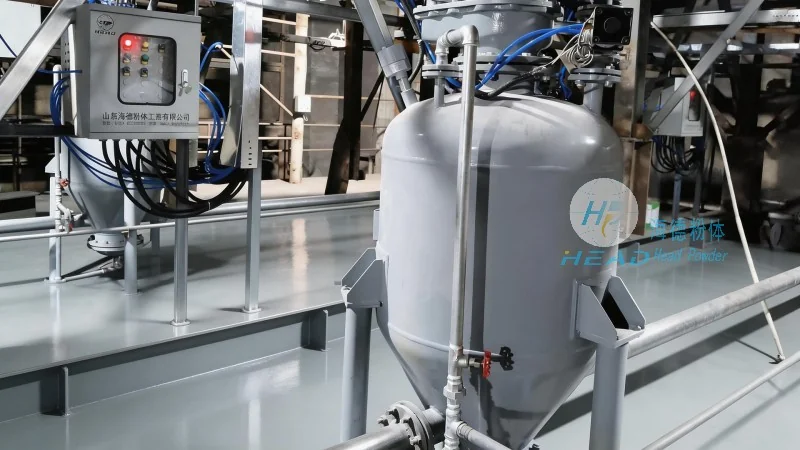
In real-world applications, mobile powder handling systems offer significant advantages over traditional fixed systems. In construction, for example, these systems transport bulk materials like cement and sand to different site locations, eliminating manual handling and reducing labor costs. Their flexibility allows for quick repositioning, enabling construction teams to adapt to project changes without downtime. In the pharmaceutical industry, mobile systems handle active pharmaceutical ingredients (APIs) and excipients in sterile, controlled environments, with designs featuring sanitary components and easy-to-clean surfaces to prevent contamination. Similarly, in the food industry, mobile systems transport ingredients like flour and spices while complying with food safety regulations. The benefits extend to manufacturing, where systems can move raw materials between processing lines, improving resource utilization and reducing the need for multiple fixed installations. Overall, the adoption of mobile powder handling systems has become increasingly common as industries seek to enhance operational efficiency, cut costs, and prioritize safety. The fusion of advanced design principles and innovative engineering has made these systems indispensable in modern industrial operations, supporting businesses in achieving their production goals while maintaining compliance and sustainability standards.