For industries that handle bulk materials, the continuous bulk material feeder is a critical piece of equipment. This device is designed to reliably and efficiently transport powders and granules from a storage hopper to a processing line. Understanding what this equipment is and how it operates is essential for optimizing material handling processes. This article will explore the concept of a continuous bulk material feeder, its key design principles, and the role it plays in modern industrial applications.
Introduction to Continuous Bulk Material Feeders
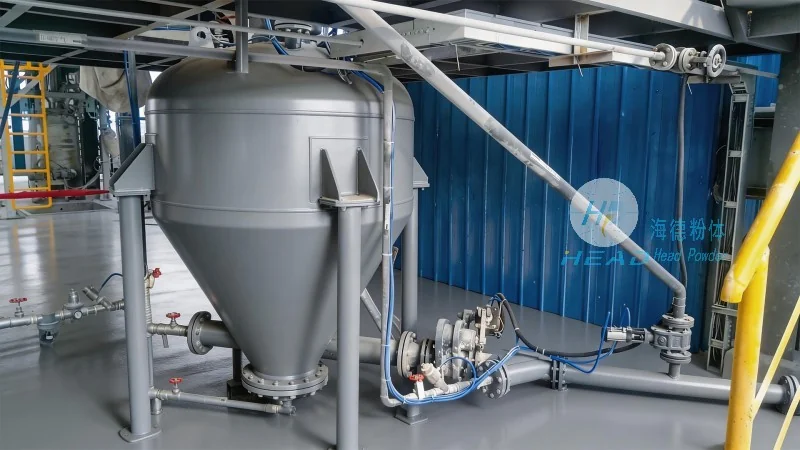
A continuous bulk material feeder, often referred to as a feeder or feeder system, is a mechanical device used to feed bulk materials at a controlled rate. These systems are commonly used in sectors such as pharmaceuticals, food processing, chemical manufacturing, and mining. The primary goal of a feeder is to ensure a steady flow of material from a storage container to the next stage of production, minimizing downtime and improving overall operational efficiency. The design of these feeders varies based on the specific material being handled, the required flow rate, and the environmental conditions of the application.
Key Components of a Continuous Bulk Material Feeder
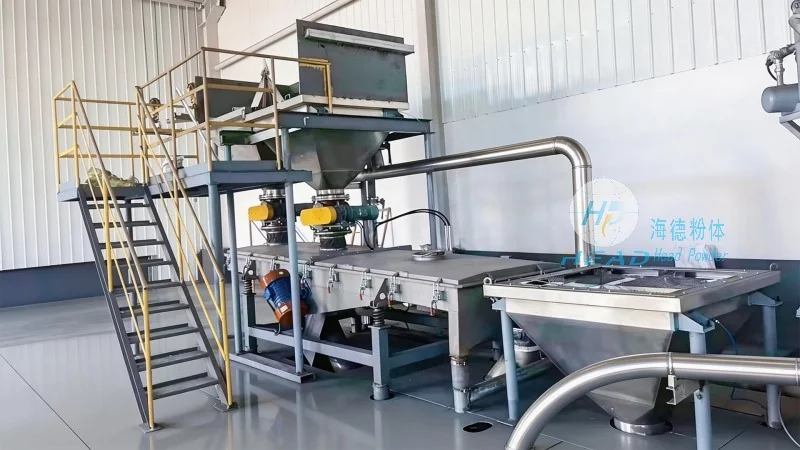
At the core of a continuous bulk material feeder are several key components that work together to achieve the desired feeding performance. These components typically include a hopper for material storage, a feeding mechanism (such as a screw, belt, or vibratory feeder), a control system to regulate the flow rate, and a discharge outlet to direct the material to the processing equipment. The hopper is designed to hold a sufficient quantity of material to maintain a consistent flow, even during periods of low material availability. The feeding mechanism is the heart of the system, as it determines how the material is moved and controlled. Control systems may include sensors, variable speed drives, and feedback loops to adjust the feeding rate in real-time, ensuring that the process remains stable and efficient.
Design Principles for Optimal Performance
The design of a continuous bulk material feeder is guided by several fundamental principles aimed at maximizing performance and reliability. One of the most critical principles is the need to minimize material degradation and segregation. This is achieved through careful consideration of the hopper design, feeding mechanism, and material flow paths. For example, the hopper may be designed with a specific shape to prevent material bridging or arching, which can disrupt the flow. The feeding mechanism is selected based on the material's properties, such as its bulk density, flowability, and abrasiveness. Screw feeders are common for cohesive materials, while vibratory feeders are often used for free-flowing powders. The control system is integrated to maintain a consistent flow rate, which is essential for processes that require precise material input, such as mixing or packaging.
Applications and Benefits in Industrial Settings
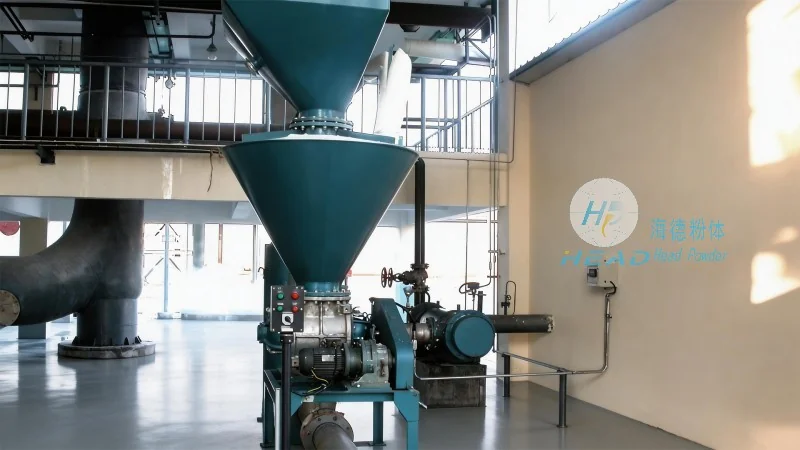
Continuous bulk material feeders are widely used across various industries due to their versatility and efficiency. In the pharmaceutical industry, for instance, these feeders are used to handle active pharmaceutical ingredients (APIs) and excipients with high precision, ensuring that the correct dosage is delivered to the next stage of production. In food processing, they are employed to feed ingredients like flour, sugar, or spices into mixing or packaging equipment, maintaining consistent product quality. Chemical manufacturers use feeders to handle reactive powders and granules, while mining operations rely on them to transport ore from storage to processing plants. The benefits of using a continuous bulk material feeder include improved process control, reduced material waste, and enhanced safety by minimizing manual handling of bulk materials. These systems also contribute to energy efficiency by operating at optimal speeds and reducing the need for frequent stops and starts.
Conclusion and Company Overview
Continuous bulk material feeders are indispensable tools in modern industrial operations, providing reliable and efficient material handling solutions. Their design, based on principles of material flow and control, ensures that processes run smoothly and consistently. As the demand for precise and automated material handling grows, the importance of these feeders will only increase. Shandong HeadPowder Engineering Co., Ltd., a leading manufacturer in this field, specializes in designing and manufacturing high-quality continuous bulk material feeders tailored to the specific needs of various industries. With a focus on innovation and customer satisfaction, HeadPowder delivers solutions that enhance operational efficiency and product quality. Based in Shandong, China, the company leverages advanced engineering and manufacturing capabilities to meet the evolving demands of the bulk material handling market.




