

What is an Automatic Quantitative Bulk Material Feeder? And What Are Its Design Principles?
In industrial settings, the precise and efficient handling of bulk materials is crucial for maintaining productivity and product quality. One key piece of equipment that addresses this need is the automatic quantitative bulk material feeder. This device is designed to accurately measure and dispense powders or granules in controlled quantities, ensuring consistent performance across various applications. The Shandong HeadPowder Engineering Co., Ltd., a leading manufacturer based in Shandong, China, specializes in developing such advanced feeding solutions that integrate precision engineering with reliable operation.

Understanding the Core Function of the Automatic Quantitative Feeder
The primary function of an automatic quantitative bulk material feeder is to deliver a specific volume or weight of bulk materials at a consistent rate. This is achieved through a combination of mechanical and electronic components that work in tandem to regulate the flow of material. The feeder typically consists of a hopper, a feeding mechanism (such as a screw, vibratory feeder, or rotary valve), and a control system that monitors and adjusts the feeding process. By automating the measurement and dispensing, these systems eliminate human error and enhance operational efficiency, making them indispensable in industries like pharmaceuticals, food processing, and chemical manufacturing.
Key Design Principles Behind the Feeder
The design of an automatic quantitative bulk material feeder is guided by several critical principles aimed at ensuring accuracy, reliability, and adaptability. First, the feeder must maintain a consistent flow rate regardless of variations in material density or bulk density. This is often achieved through the use of adjustable feeding mechanisms that can be calibrated to match the specific characteristics of the material being handled. Second, the system incorporates feedback mechanisms, such as load cells or flow sensors, to continuously monitor the actual amount of material being dispensed and adjust the feeding rate in real-time. This closed-loop control system minimizes deviations and ensures that the output matches the set target precisely. Third, the design emphasizes durability and ease of maintenance. High-quality materials and robust construction are used to withstand the rigors of continuous operation, while modular components allow for easy replacement or servicing, reducing downtime and operational costs.
Components and Their Roles in the Feeder System
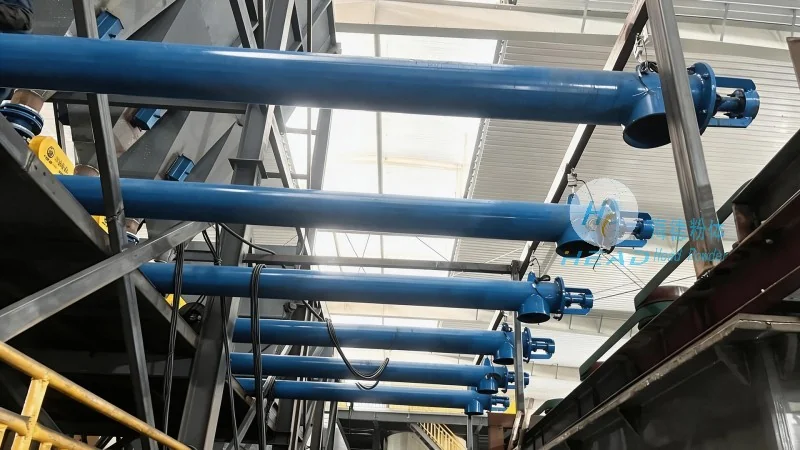
At the heart of an automatic quantitative bulk material feeder are several key components that work together to achieve its objectives. The hopper serves as the storage container for the bulk material, providing a stable and controlled environment for the material to flow into the feeding mechanism. The feeding mechanism, which can be a screw feeder, vibratory feeder, or rotary valve, is responsible for transporting the material from the hopper to the discharge point. The screw feeder, for instance, uses a rotating screw to push material forward, while the vibratory feeder utilizes vibration to move material along a trough. The control system, which includes sensors, controllers, and actuators, monitors the feeding process and adjusts the feeding rate as needed. Load cells or flow meters are commonly used to measure the weight or volume of material passing through the system, providing feedback to the controller. The controller then adjusts the speed of the feeding mechanism to maintain the desired output. Additionally, the system may include a material level sensor to prevent overfilling or underfilling, ensuring safe and efficient operation.
Applications and Benefits of the Automatic Quantitative Feeder
Automatic quantitative bulk material feeders are widely used in various industries due to their ability to deliver precise and consistent material quantities. In the pharmaceutical industry, for example, these feeders are essential for ensuring the accurate dosing of active ingredients in tablets or capsules. In food processing, they help maintain consistent ingredient ratios in products like baked goods or beverages. The chemical industry also benefits from these systems, as they enable precise control over the mixing of chemicals, which is critical for product quality and safety. The primary benefits of using an automatic quantitative feeder include improved product consistency, reduced material waste, increased operational efficiency, and enhanced safety through automated control. By eliminating manual measurement and dispensing, these systems also reduce the risk of human error and improve overall productivity.
How Shandong HeadPowder Engineering Co., Ltd. Enhances the Feeder Design
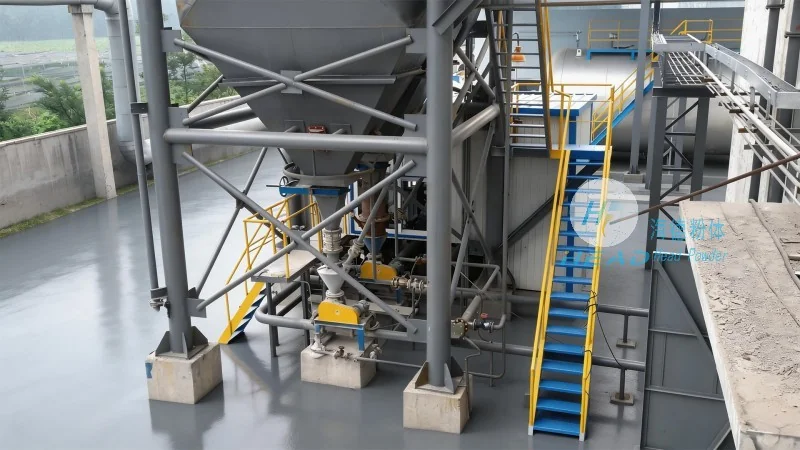
Shandong HeadPowder Engineering Co., Ltd. is a reputable manufacturer based in Shandong, China, that specializes in the design and production of automatic quantitative bulk material feeders. The company combines years of industry experience with advanced engineering techniques to develop feeders that meet the diverse needs of its clients. The company's products are designed with a focus on precision, reliability, and adaptability, ensuring that they can handle a wide range of materials and applications. The company's engineers work closely with clients to understand their specific requirements and tailor the feeder design accordingly. This collaborative approach ensures that the final product is optimized for the client's operational environment, leading to better performance and customer satisfaction. The company also emphasizes quality control throughout the manufacturing process, ensuring that each feeder meets the highest standards before it is shipped to the customer. By leveraging its expertise and commitment to quality, Shandong HeadPowder Engineering Co., Ltd. provides reliable and efficient feeding solutions that help its clients achieve their production goals.
Conclusion: The Importance of Automatic Quantitative Bulk Material Feeders
In conclusion, the automatic quantitative bulk material feeder is a vital piece of equipment in modern industrial operations. Its ability to accurately measure and dispense bulk materials at a consistent rate enhances productivity, improves product quality, and reduces waste. The design principles behind these feeders, including closed-loop control, adjustable feeding mechanisms, and robust construction, ensure that they can handle the demands of various applications. Companies like Shandong HeadPowder Engineering Co., Ltd. play a crucial role in developing and manufacturing these advanced systems, providing industries with reliable and efficient solutions. As industries continue to demand higher precision and efficiency, the importance of automatic quantitative bulk material feeders will only grow, making them an essential component of modern manufacturing processes.