

Introduction to Polyvinyl Alcohol Formaldehyde Pneumatic Conveying and the Working Principle of Pneu
Understanding the mechanics and applications of pneumatic conveying systems, particularly those involving polyvinyl alcohol formaldehyde (PVOH), is crucial for industries seeking efficient material handling solutions. This article provides an overview of PVOH-based pneumatic conveying systems, detailing their operational principles and the key components that enable effective material transport.
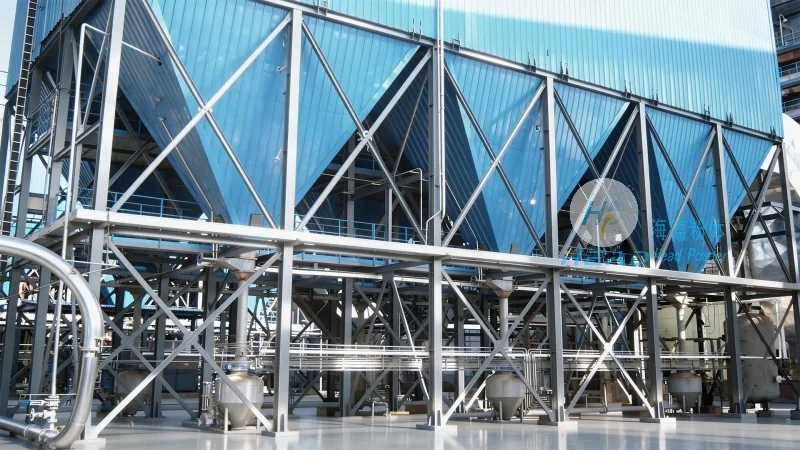
Polyvinyl Alcohol Formaldehyde (PVOH) and Its Role in Pneumatic Conveying
Polyvinyl alcohol formaldehyde, commonly known as PVOH, is a synthetic polymer widely used in various industrial applications due to its unique properties such as solubility in water, film-forming ability, and resistance to chemicals. In pneumatic conveying systems, PVOH serves as a key material that may require specialized handling due to its physical characteristics. The system's design must account for PVOH's flowability, moisture content, and potential for agglomeration to ensure smooth and efficient transport. By integrating appropriate equipment like feeders, ducts, and air movers, the system can effectively manage PVOH particles, maintaining consistent flow rates and preventing blockages.
The Working Principle of Pneumatic Conveying Systems
Pneumatic conveying systems operate by using compressed air or other gases to transport bulk materials through a closed pipeline. The process typically involves several stages: material feeding, air induction, transport, and discharge. In the case of PVOH, the system may use positive or negative pressure depending on the material's properties and the desired transport direction. Positive pressure systems push material through the pipeline using air, while negative pressure systems create a vacuum to draw material in. The choice of system type depends on factors like material characteristics, distance, and system complexity. Key components include the hopper or feeder for material storage and controlled release, the air compressor or vacuum pump for generating pressure, the pipeline network for material transport, and the receiver or discharge point for material collection. Each component plays a critical role in maintaining the system's efficiency and reliability.
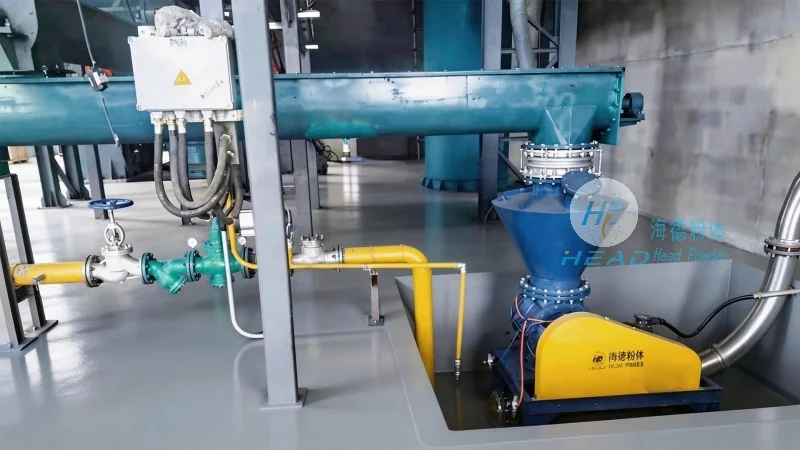
Key Components and Their Functions in PVOH Pneumatic Conveying
Effective PVOH pneumatic conveying relies on a well-designed set of components that work in harmony to ensure optimal performance. The feeder is a critical component that controls the flow rate of PVOH into the system, preventing overfeeding or underfeeding which can lead to system inefficiencies or blockages. Common feeder types for PVOH include screw feeders, rotary valves, and vibratory feeders, each chosen based on the material's flow characteristics and the system's requirements. The pipeline network is another essential part, typically made of materials like stainless steel or plastic to withstand the material's chemical properties and prevent corrosion. The air mover, whether a blower or a vacuum pump, provides the necessary pressure or vacuum to move the material through the pipeline. The size and capacity of the air mover are determined by the material's density, particle size, and the system's length. The receiver or discharge point is designed to collect the conveyed PVOH and convert it to a manageable form for further processing. Proper maintenance of these components is vital to ensure the system operates at peak efficiency and longevity.
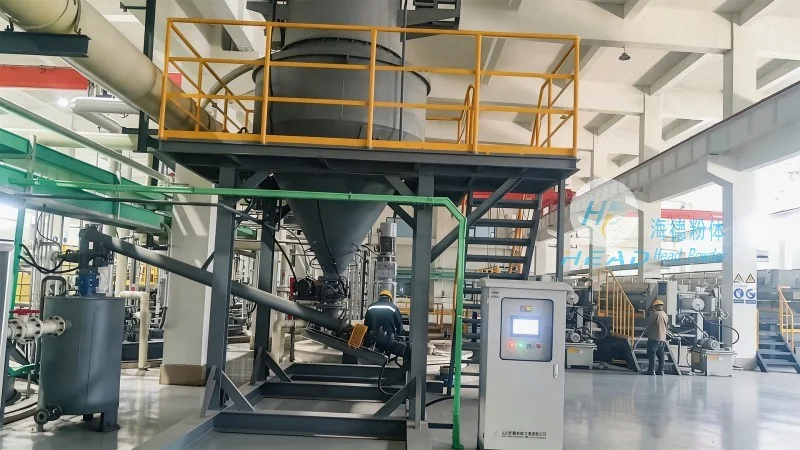
Applications and Benefits of PVOH Pneumatic Conveying
PVOH pneumatic conveying systems find applications in various industries, including pharmaceuticals, food processing, and chemical manufacturing, where handling PVOH requires precision and control. The benefits of using pneumatic conveying for PVOH include reduced labor costs, improved safety by minimizing manual handling, and enhanced product quality by preventing contamination. The system's ability to handle PVOH in a closed environment also helps maintain hygiene standards, which is crucial in industries like food and pharmaceuticals. Additionally, pneumatic conveying can handle PVOH over long distances and through complex layouts, making it suitable for large-scale operations. By efficiently transporting PVOH, these systems contribute to overall operational efficiency and productivity in industrial settings.
Company Overview: Shandong HeadPowder Engineering Co., Ltd.
Shandong HeadPowder Engineering Co., Ltd., operating under the brand name headpowder, specializes in the design, manufacturing, and installation of pneumatic conveying systems tailored to diverse industrial needs. With a focus on providing customized solutions for materials like PVOH, the company leverages its expertise in material handling technology to deliver efficient and reliable systems. Headpowder's commitment to quality and innovation ensures that their pneumatic conveying systems meet the highest industry standards, offering durability and performance. The company's headquarters is located in Shandong, China, where it serves clients globally with its advanced engineering capabilities and customer-centric approach. By combining technical knowledge with practical experience, headpowder helps industries optimize their material handling processes, enhancing productivity and reducing operational costs.