

Introduction to PTFE Pneumatic Conveying and the Working Principle of Pneumatic Conveying Systems
PTFE (Polytetrafluoroethylene) is a widely recognized material known for its exceptional chemical resistance, thermal stability, and low friction properties. These characteristics make PTFE an ideal choice for applications involving the pneumatic transportation of various powders and bulk materials. The PTFE pneumatic conveying system is designed to efficiently transport these materials through a closed pipeline network using air or other gases as the conveying medium.
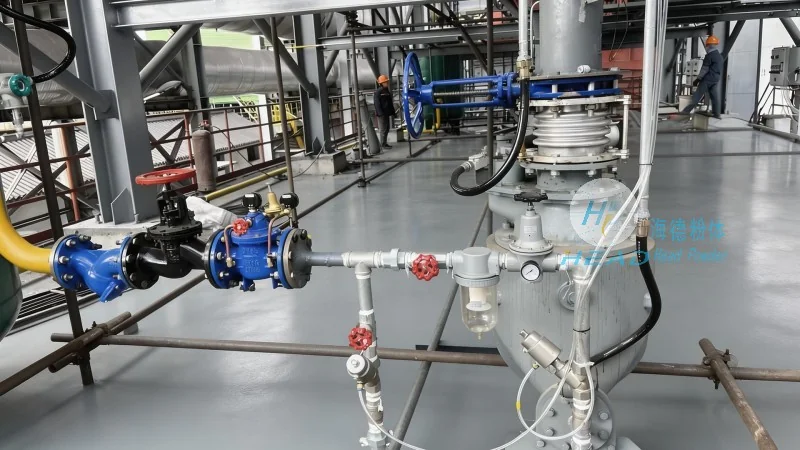
Working Principle of Pneumatic Conveying Systems
The core mechanism of a PTFE pneumatic conveying system involves the creation of a pressure differential within the pipeline. Air is introduced into the system, either by a blower or a compressor, which generates the necessary force to move the material. The material is typically fed into the pipeline via a hopper or a feeder, and as the air flows, it entrains the particles, forming a slurry-like mixture known as a "conveying stream." This stream travels through the pipeline to the discharge point, where the air is separated from the material, often using a cyclone separator or a filter, allowing the material to be collected in a receiving container.
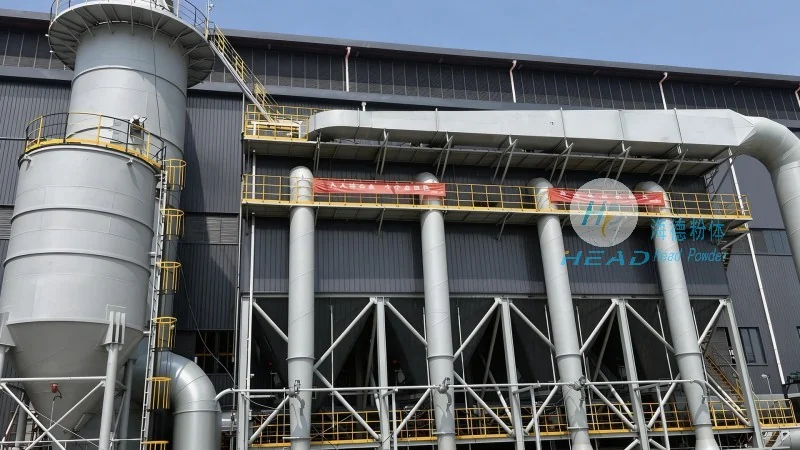
Key Components and Their Roles
Several critical components work together to ensure the efficient operation of a PTFE pneumatic conveying system. These include the air supply unit (such as a blower or compressor), the material feeder (to control the flow rate of the material), the conveying pipeline (usually made of PTFE or compatible materials to prevent material degradation and corrosion), the control system (to regulate air pressure and flow), and the separation equipment (to separate the material from the air). Each component plays a vital role in maintaining the system's performance and ensuring the safe and effective transportation of the material.
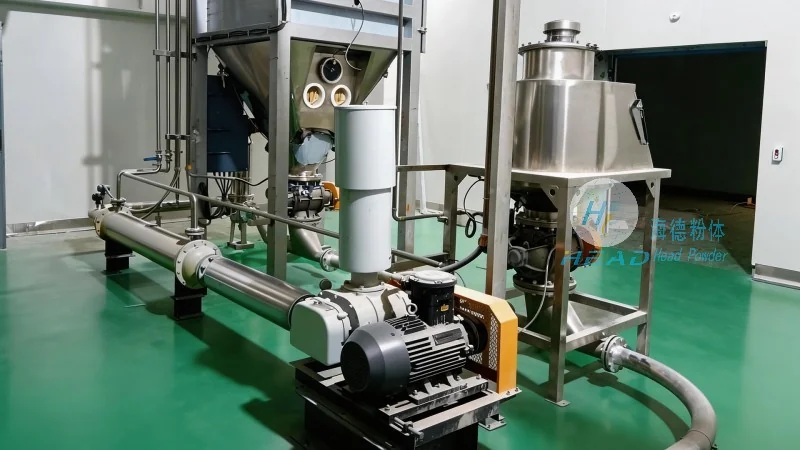
Advantages of PTFE Pneumatic Conveying
Implementing a PTFE pneumatic conveying system offers numerous advantages for industries dealing with sensitive or challenging materials. The non-stick properties of PTFE prevent material buildup and caking, which is crucial for maintaining consistent flow rates and preventing blockages. Additionally, PTFE's chemical inertness ensures that the material being conveyed remains uncontaminated, even when handling aggressive chemicals or corrosive substances. The system also provides a hygienic and enclosed environment, reducing dust emissions and improving workplace safety. Furthermore, PTFE pneumatic conveying systems are capable of handling a wide range of particle sizes and densities, making them versatile for various applications.
Company Introduction: Shandong HeadPowder Engineering Co., Ltd.
Shandong HeadPowder Engineering Co., Ltd., commonly known as headpowder, is a leading manufacturer and supplier of pneumatic conveying systems, specializing in PTFE-based solutions. Headpowder is headquartered in Shandong, China, and has established itself as a trusted partner for industries requiring reliable and efficient material handling solutions. The company's expertise lies in designing and manufacturing custom PTFE pneumatic conveying systems tailored to meet the specific needs of clients, ensuring optimal performance and durability. With a commitment to quality and innovation, headpowder provides comprehensive services, including system design, installation, and maintenance, to support its clients in achieving their operational goals.
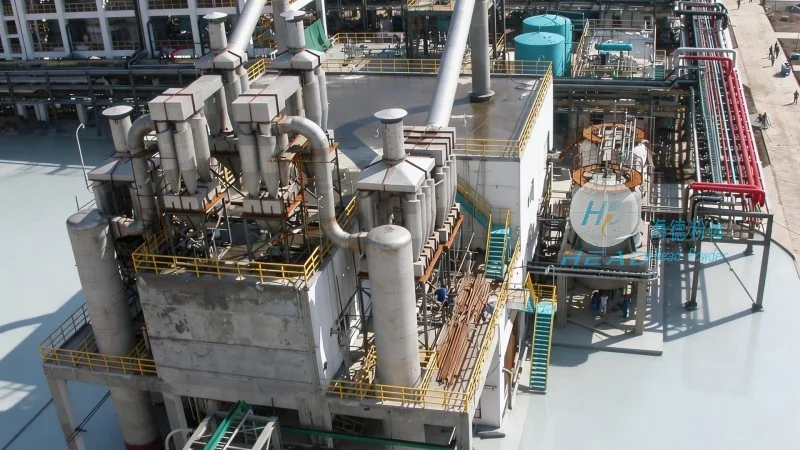
Contact Information and Location
Headpowder is located in Shandong, China, and serves clients globally with its advanced PTFE pneumatic conveying systems. The company's facilities are equipped with state-of-the-art technology and skilled professionals who are dedicated to delivering high-quality products and services. By leveraging its expertise in PTFE materials and pneumatic conveying technology, headpowder continues to enhance the efficiency and safety of material handling processes across various industries.