For industrial applications involving sodium chlorate, efficient material handling is crucial. Pneumatic conveying systems offer a reliable solution for transporting this chemical safely and effectively. This overview will explore the fundamentals of such systems, focusing on their operation and benefits in handling sodium chlorate.
About Shandong HeadPowder Engineering Co., Ltd.
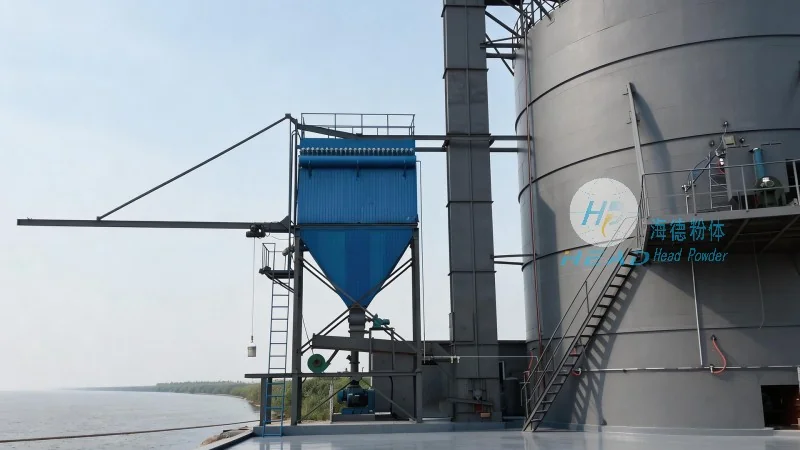
Shandong HeadPowder Engineering Co., Ltd. is a leading provider of specialized engineering solutions for the chemical processing industry. With a strong presence in China, particularly in Shandong province, the company specializes in designing and manufacturing advanced pneumatic conveying systems tailored to meet the demands of various industrial processes. Their expertise ensures that clients receive high-quality equipment that enhances operational efficiency and safety when handling chemicals like sodium chlorate.
Principles of Pneumatic Conveying Systems
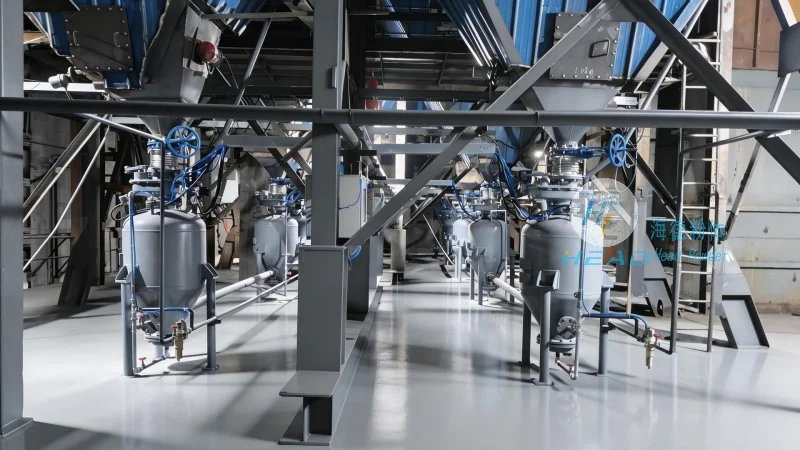
Pneumatic conveying systems utilize air or other gases to transport bulk materials through a pipeline network. In the case of sodium chlorate, these systems are engineered to handle the specific properties of the chemical, including its reactivity and potential dust generation. The core components of a typical pneumatic conveying system include a material feed hopper, a conveyor line, a control system, and a dust collection or filtration unit. The process begins with the material being fed into the hopper, where it is then introduced into the conveyor line under pressure. The air flow, often generated by a blower or compressor, propels the material through the pipeline to the destination point, such as a storage silo or processing unit. This method eliminates the need for mechanical components like conveyor belts or buckets, reducing maintenance requirements and minimizing the risk of material contamination.
Advantages of Pneumatic Conveying for Sodium Chlorate
Implementing a pneumatic conveying system for sodium chlorate offers several key advantages. Firstly, it provides a closed system that prevents dust exposure and environmental contamination, which is critical for safety and regulatory compliance. Secondly, the system enhances material handling efficiency by allowing for continuous, automated transport, reducing downtime and labor costs. Additionally, pneumatic conveying minimizes product degradation by avoiding direct contact with mechanical parts, preserving the quality of sodium chlorate. The flexibility of these systems also allows for easy integration with existing industrial processes, adapting to varying production needs without major modifications.
Design Considerations for Sodium Chlorate Pneumatic Conveying
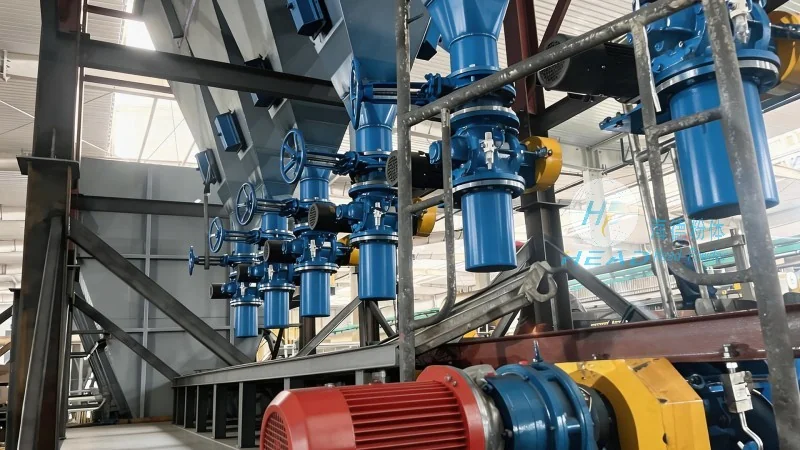
When designing a pneumatic conveying system for sodium chlorate, several factors must be carefully considered to ensure optimal performance and safety. Material properties, such as the chemical's reactivity and potential for dust generation, are primary considerations. The system must be constructed from materials that are resistant to corrosion and chemical attack, typically using stainless steel or specialized coatings. Additionally, the air flow rate and pressure must be precisely controlled to prevent material blockages or excessive wear on components. The system's layout, including the length and diameter of the conveyor line, also impacts efficiency and energy consumption. Proper dust collection and filtration are essential to maintain air quality and comply with environmental regulations. Shandong HeadPowder Engineering Co., Ltd. employs advanced engineering techniques and material science expertise to design systems that address these considerations effectively, ensuring long-term reliability and performance.
Conclusion
Pneumatic conveying systems represent a sophisticated and efficient method for handling sodium chlorate, offering significant benefits in terms of safety, efficiency, and operational flexibility. By leveraging the expertise of companies like Shandong HeadPowder Engineering Co., Ltd., industries can implement tailored solutions that meet their specific needs. The principles and design considerations outlined here highlight the importance of a well-engineered system in ensuring safe and effective material transport. As the demand for reliable chemical handling solutions grows, pneumatic conveying remains a preferred choice for industries dealing with sodium chlorate and other similar materials.




